
Dermal Fillers

Dermal fillers are injectable medical devices used to restore volume to targeted areas of the face, address lines and folds, and define facial features such as the lips, chin, cheeks, and nose bridge. They are administered directly into the skin or subcutaneous tissue, and results — while temporary — can be appreciated relatively soon after treatment in most cases.
At EHA Clinic, dermal fillers are performed only by our registered medical doctors using HSA-registered products from clinically established brands. The type of filler used, the treatment areas, and the approach are customised based on each patient’s anatomy, skin condition, and goals. All dermal filler products used at the clinic are registered with Singapore’s Health Sciences Authority (HSA).
Suitability is assessed at consultation. As with all injectable procedures, dermal fillers carry risks that will be discussed in detail before treatment is carried out.
Dermal Fillers Singapore – Price, Types & Treatment Areas
Nose, Chin, Cheeks & Jawline
Dermal fillers are injectable medical devices used to restore volume to targeted areas of the face, address lines and folds, and define facial features such as the lips, chin, cheeks, and nose bridge. They are administered directly into the skin or subcutaneous tissue, and results — while temporary — can be appreciated relatively soon after treatment in most cases.
At EHA Clinic, dermal fillers are performed only by our registered medical doctors using HSA-registered products from clinically established brands. The type of filler used, the treatment areas, and the approach are customised based on each patient’s anatomy, skin condition, and goals. All dermal filler products used at the clinic are registered with Singapore’s Health Sciences Authority (HSA).
Suitability is assessed at consultation. As with all injectable procedures, dermal fillers carry risks that will be discussed in detail before treatment is carried out.
Treatment at a Glance

Procedure type
Minimally invasive injectable treatment. A fine needle or blunt-tipped cannula is used to inject filler into targeted tissue depths in the face. The specific technique depends on the treatment area and filler type chosen by the doctor.

Expected Results
Restoration of facial volume; reduction in the appearance of facial lines, hollowness, and folds; definition or augmentation of facial features including lips, chin, nose bridge, and cheeks. Results vary with individuals.

Downtime

Treatment Areas
Forehead, temples, tear trough (under-eye), cheeks, nasolabial folds, marionette lines, lips, nose bridge and tip, chin, jawline, neck

Procedure Time
Approximately 30–60 minutes depending on the number and extent of treatment areas[^4]

What are Dermal Fillers?
Dermal fillers are injectable gels or biostimulatory agents administered into targeted areas of the face to address volume loss, soften lines and folds, and reshape facial contours. They are classified as Class D Medical Devices by Singapore’s Health Sciences Authority (HSA) — the highest risk device classification — and must be registered with HSA before they can be supplied or used in Singapore.
Filler injections to the face, neck, and hands can only be performed in clinics by medical doctors who are registered with the Singapore Medical Council (SMC) and hold the relevant Certificate of Competence (COC) in filler injections, or are qualified specialists in relevant disciplines.
Volume loss in the face occurs as part of the natural ageing process — facial fat compartments diminish, bone remodels, and skin becomes thinner and less elastic over time. Dermal fillers address this by restoring volume to areas that have become hollowed or deflated, and by providing structural support to tissues that have begun to sag or fold. Different filler types work through different mechanisms, and the choice of product is matched to the specific area and goal of treatment.
Types of Dermal Fillers
At EHA Clinic, the type of filler used is selected by the doctor based on the treatment area, the desired outcome, the patient’s anatomy, and their individual goals. The two main filler categories used are hyaluronic acid (HA) fillers and poly-L-lactic acid (PLLA) fillers.
Hyaluronic Acid (HA) Fillers
Hyaluronic acid is a naturally occurring molecule found in the skin, connective tissue, and synovial fluid. HA-based fillers are gel formulations that, when injected, draw water into the treated area to add volume and hydration to the tissue.
Key characteristics of HA fillers:
- Immediate volumising effect — volume change is apparent relatively soon after injection as the gel integrates with surrounding tissue; the final result stabilises over approximately one week as tissue swelling settles
- Reversible — HA fillers can be dissolved with hyaluronidase, an enzyme that degrades hyaluronic acid, if clinically indicated or if the patient wishes to reverse the result
- Varying consistencies — softer, more fluid HA formulations are used in delicate areas such as the lips and tear trough; firmer, denser formulations are used in areas requiring more structural support, such as the chin, jawline, and cheeks
- Duration — HA fillers typically last 6–18 months depending on the product, treatment area, and individual metabolism
Poly-L-Lactic Acid (PLLA) Fillers — Biostimulatory Fillers
Poly-L-lactic acid (PLLA) is a biodegradable, biocompatible synthetic material that acts differently from HA fillers. Rather than immediately replacing volume with a gel, PLLA works by stimulating the body’s own collagen production over time.
Key characteristics of PLLA fillers:
- Biostimulatory mechanism — when injected, PLLA microparticles elicit a controlled subclinical inflammatory response that activates fibroblasts to produce new type I and type III collagen
- Gradual onset — the immediate injection volume reduces within the first few days as the suspension disperses; the intended collagen-stimulating effect develops progressively over 3–6 months
- Longer duration — results from PLLA treatments may last up to 2 years or more, as the new collagen network persists even after the PLLA particles have been fully biodegraded
- Not reversible with hyaluronidase — unlike HA fillers, PLLA cannot be dissolved with hyaluronidase
- Multiple sessions — a series of treatment sessions (typically 2–4, spaced approximately 4–6 weeks apart) is usually required to build gradual, cumulative results
PLLA fillers are suited for patients seeking gradual, natural-looking volume restoration with longer-lasting results, particularly for broader areas such as the temples, cheeks, and jawline.
How are Dermal Fillers Injected?
The doctor chooses between two injection techniques depending on the area, the filler type, and the patient’s anatomy:

nEEDLE INJECTION
A fine gauge needle is used to deliver filler at precise points within the targeted tissue plane. Needles are typically used for more localised, precise placements — such as the nose bridge, lips, or tear trough.

Blunt-tipped cannula
A flexible, blunt-tipped cannula is inserted through a small entry point and guided through the tissue to deposit filler. Cannula technique is associated with reduced bruising and reduced risk of accidental intravascular injection in certain areas, as the blunt tip is less likely to penetrate vessel walls.
The doctor selects the technique based on the specific area, the filler product, and the individual anatomy of the patient. In many treatment sessions, both techniques may be used across different areas.

Step-by-step Treatment Process
1. Consultation
The doctor conducts a thorough assessment of the patient’s facial anatomy, skin condition, and medical history. The patient’s concerns and goals are discussed, and the doctor recommends the appropriate filler type, treatment areas, injection volumes, and approach. Risks, side effects, and realistic expectations are explained in full. Informed consent is obtained before any treatment proceeds.
2. Preparation
The treatment areas are cleansed thoroughly. A topical numbing cream is applied and left on for approximately 20–30 minutes to reduce discomfort during injections. For certain areas (such as the lips), a local anaesthetic block may be used in addition to numbing cream.
3. Injection
The doctor injects the filler using a fine needle or blunt-tipped cannula into the predetermined treatment areas, placing the product at the appropriate tissue depth for each location. The session takes approximately 30–60 minutes depending on the number of areas treated. Throughout the procedure, the doctor assesses the result and may massage or sculpt the tissue to achieve the desired distribution.
4. Post-treatment
assessment
Immediately after treatment, the doctor reviews the result and makes any initial adjustments. The patient is given post-treatment care instructions. Mild swelling and redness are expected and will be present at this stage — the final result is assessed after swelling has settled, typically within 1–2 weeks.
Treatment Areas

TEAR TROUGH AND UNDER-EYE AREA FILLER
The tear trough is the groove between the lower eyelid and the cheek. Hollowness or shadowing in this area can give a fatigued appearance. A soft, lower-viscosity HA filler may be placed carefully in this area to reduce the appearance of under-eye hollowness. This is a technically demanding area and is associated with higher risk of bruising; detailed discussion of risks occurs at consultation.

CHEEK FILLER AND MIDFACE FILLER
Volume loss in the cheeks and midface is a key contributor to the hollow, drawn appearance associated with facial ageing. A medium-to-high viscosity HA filler or PLLA may be used to restore volume and support to the mid-cheek area, which may also improve the appearance of the nasolabial folds below.
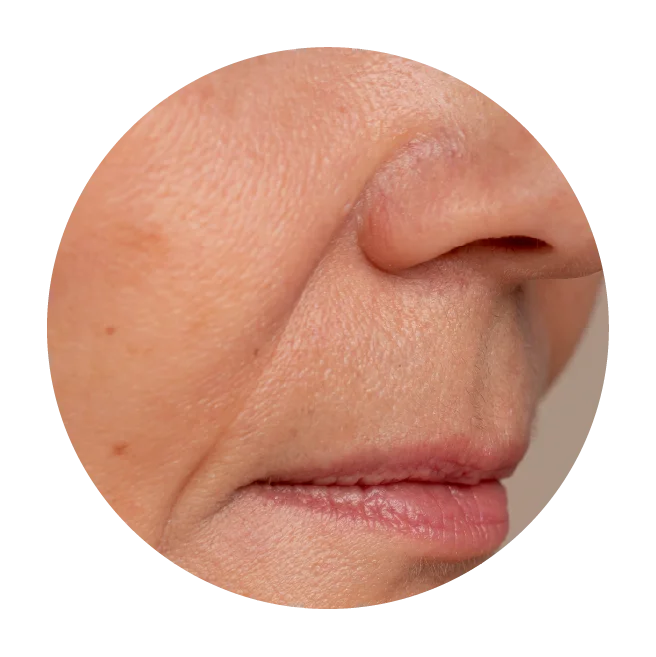
NASOLABIAL FOLD FILLER AND MARIONETTE LINES FILLER
Nasolabial folds (the lines running from the nose to the corners of the mouth) and marionette lines (lines running downward from the mouth corners) are commonly treated with filler to reduce the depth and shadow of these grooves.

LIP FILLER
Lip filler involves placing a soft HA filler into the lips and lip borders to address thinning, improve definition, or add volume. The lip area is highly mobile and subject to individual preference — the approach is tailored to each patient’s anatomy and goals.
NOSE FILLER (NON-SURGICAL NOSE RESHAPING)
Filler can be used to improve the profile of the nose — for example, to raise a flat nose bridge, reduce the appearance of a dorsal hump by straightening the profile, or refine the nose tip. This is known as non-surgical rhinoplasty. It is important to note that filler in the nose carries a higher risk of vascular complications due to the vascular anatomy of this region, and this risk is discussed in detail at consultation.

CHIN FILLER
Chin filler can address a recessed or short chin, improving the balance of the facial profile and providing jawline definition. A firmer HA filler or biostimulatory agent is typically used to provide structural support in this area.
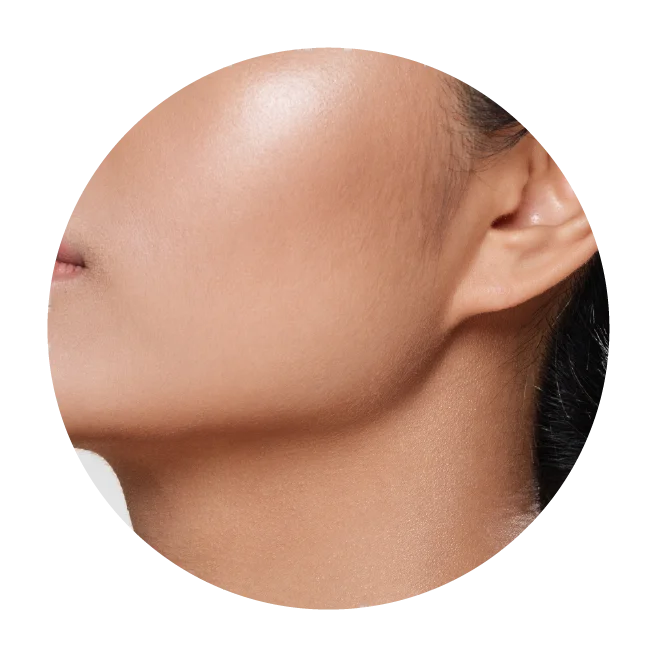
JAWLINE FILLER
Filler along the jawline can be used to improve jaw definition, reduce the appearance of early jowling, and create improved facial contour. This area benefits from a firmer filler formulation placed along the bony ridge.
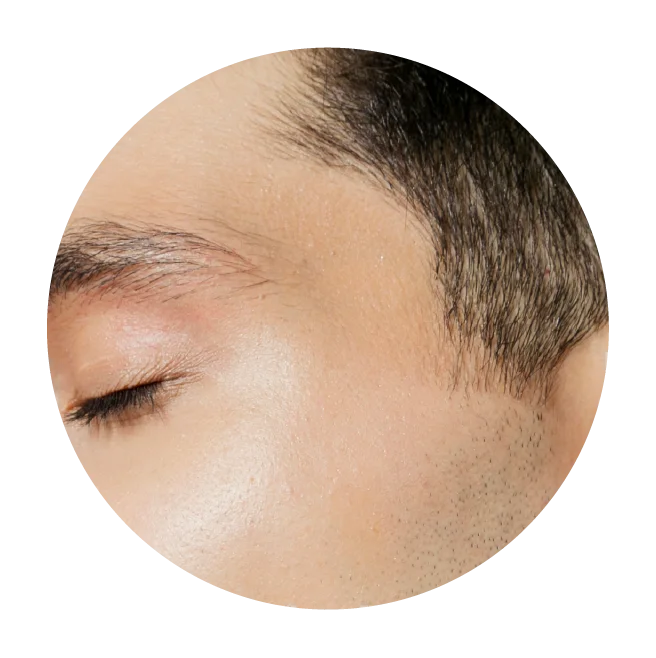
TEMPLE FILLER
The temples are an often-overlooked area in facial ageing. Volume loss in the temples creates a hollowing that can narrow the upper face and accentuate the appearance of eye socket prominence. Temple filler is placed to restore the natural fullness of this area.
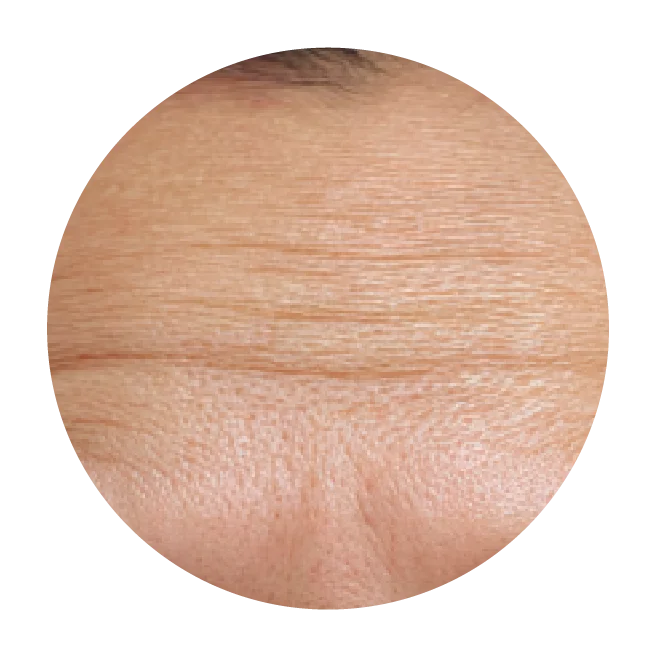
FOREHEAD FILLER
Filler may be used to fill persistent static forehead lines — those that are present even at rest — though in most cases this area is primarily addressed with botulinum toxin. The combination approach is discussed at consultation.
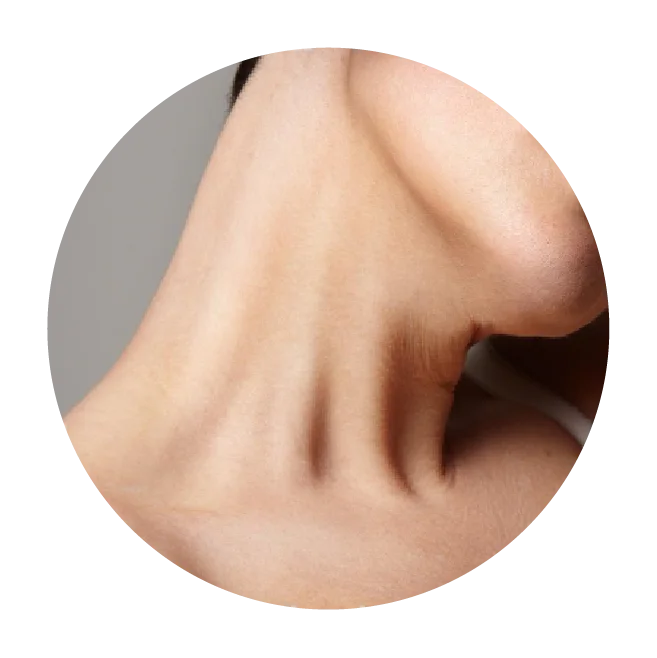
NECK FILLER (NEFERTITI LIFT AREA)
Filler may be used in combination with other treatments along the jawline and neck to improve definition in the lower face and upper neck region, subject to individual assessment.
Filler Types at a Glance
Hyaluronic Acid (HA)
HOW IT WORKS
Gel fills volume; attracts and retains water in tissue
oNSET OF RESULTS
Immediate; settles within ~1 week
duration
6–18 months depending on area and product
reversible?
Yes — dissolves with hyaluronidase
Poly-L-Lactic Acid (PLLA)
HOW IT WORKS
Biostimulatory; stimulates body’s own collagen production over time
oNSET OF RESULTS
Gradual; 3–6 months for full effect
duration
Up to 2 years or more
reversible?
No.
Note: Other filler types (e.g., calcium hydroxylapatite) may also be used in certain situations. The doctor will advise on the most appropriate product for each treatment area at consultation.
What Results Can You Expect
Immediately after treatment
Some volumising effect is visible immediately after HA filler injections, alongside swelling and redness. This is not an accurate representation of the final result, as post-injection swelling significantly affects the appearance on the day. PLLA filler volume is visible immediately after injection due to the carrier solution; this initial volume diminishes over the following 3–7 days as the suspension disperses.
1–2 weeks
Swelling, redness, and bruising (where present) will have largely resolved. The initial result from HA fillers can be assessed more accurately at this point. For PLLA, the carrier volume will have dissipated and the biostimulatory process will have begun.
1–3 months (PLLA)
Collagen stimulation from PLLA injections begins to produce visible improvement in skin volume and quality as fibroblast activity increases in the treated areas.
3–6 months (PLLA full effect)
The collagen production response from PLLA peaks at approximately 6 months, when the full volumising and quality effect of the treatment is most evident
Duration and maintenance
HA fillers typically last 6–18 months depending on the product, the area treated, and individual metabolism. PLLA results may last up to 2 years or more. Maintenance or top-up sessions may be scheduled before the initial results have fully diminished to sustain the improvement over time.
Results vary between individuals. The volume of correction and longevity depends on the type of filler used, the amount injected, the area treated, the patient’s metabolism, lifestyle, and skincare habits. Results cannot be guaranteed.
Side Effects and Risks
Dermal fillers are classified as Class D Medical Devices by HSA — the highest risk category for medical devices in Singapore. Patients should understand both common and rare risks before proceeding.
Common, temporary side effects
- Swelling, redness, and tenderness at the injection site (typically resolves within a few days)
- Bruising (risk varies by area and technique; typically resolves within 1–2 weeks)
- Mild asymmetry or unevenness in the immediate post-treatment period as swelling settles
- Firmness or lumpiness in the treated area (typically transient; resolves as the filler integrates)
Less common side effects
- Visible nodules or palpable firmness (may require massage or, for HA fillers, hyaluronidase dissolution)
- Prolonged swelling or inflammatory reaction
- Infection at the injection site (rare; managed with antibiotics)
- Delayed hypersensitivity reactions or granuloma formation (rare)
- Tyndall effect — a bluish discolouration visible under thin skin (e.g. tear trough), if HA filler is placed too superficially
Serious and rare risks
Vascular occlusion is a serious, rare complication that can occur when filler is inadvertently injected into or compresses a blood vessel. This can result in:
- Skin necrosis (tissue death) in the affected area
- Vision impairment or, in the most severe cases, permanent vision loss (blindness)
- Stroke (very rare)
HSA issued an advisory following Singapore’s first reported case of blindness resulting from dermal filler in 2023. This risk is present with all filler types in all facial areas, though the risk is higher in anatomically vascular regions such as the nose, glabella (between the brows), and temples.
At EHA Clinic, filler injections are performed only by trained medical doctors. The injection approach, product selection, and technique are chosen to minimise vascular risk. Hyaluronidase is available for emergency use in the event of vascular compromise. Full details of risks will be discussed at consultation, and informed consent is obtained before treatment.
Who May Be Suitable for Dermal Fillers?
Suitable candidates:
- Adults experiencing facial volume loss, hollowness, or flattening of facial features associated with ageing
- Individuals with static facial lines or folds (present at rest, not only with movement) that may benefit from volume support
- Those seeking definition or reshaping of features such as the lips, chin, nose bridge, or jawline
- Individuals seeking a non-surgical, minimally invasive approach to facial restoration
- Patients who prefer reversible treatment options (suitable for HA fillers)
- Those willing to undergo a series of sessions for gradual, cumulative results (PLLA)
- Patients with realistic expectations regarding the temporary, variable nature of filler results
Dermal fillers may NOT be suitable for individuals with:
- Active skin infection, inflammation, or open wounds in the treatment area
- Known allergy to filler components (including lidocaine, which is incorporated in some HA gels)
- Pregnancy or breastfeeding
- Autoimmune conditions or active inflammatory skin disease (assessed individually)
- Bleeding disorders or current anticoagulant use (risk of significant bruising; assessed individually)
- History of keloid or hypertrophic scarring (assessed individually)
- Unrealistic expectations about the degree of correction achievable with non-surgical treatment
- Active or undiagnosed skin lesions in the treatment area
Suitability is assessed at consultation. The doctor will review the patient’s full medical history, current medications, and aesthetic goals before recommending a treatment plan.

Frequently Asked Questions (FAQs)
What are dermal fillers made of?
The two main filler types used at EHA Clinic are hyaluronic acid (HA) fillers and poly-L-lactic acid (PLLA) fillers. HA is a naturally occurring molecule in the skin that draws water into the tissue to add volume. PLLA is a biodegradable synthetic material that stimulates the body’s own collagen production over time. Other filler materials (e.g., calcium hydroxylapatite) may also be used in specific situations. All products used are registered with Singapore’s Health Sciences Authority (HSA).
Are dermal fillers safe?
Dermal fillers are classified as Class D Medical Devices by HSA — the highest risk device classification — and must be performed by a trained medical doctor in a clinic setting. When performed correctly by a qualified practitioner using HSA-registered products, the majority of treatments are uneventful, with only temporary common side effects such as swelling and bruising. Serious complications, including vascular occlusion leading to skin necrosis or, in rare cases, vision loss, are possible with any filler in any area of the face. Risks will be discussed in full at consultation.
What is the difference between HA fillers and PLLA fillers?
HA fillers are gel-based and provide immediate volumising by physically filling the treated space and drawing water into the tissue. They are reversible with hyaluronidase and typically last 6–18 months. PLLA fillers are biostimulatory — they work by stimulating the body to produce new collagen over several months and are not reversible with hyaluronidase. PLLA results develop gradually over 3–6 months and may last up to 2 years or more. The two types suit different goals and are used in different clinical situations.
Can fillers be dissolved?
HA fillers can be dissolved using hyaluronidase, an enzyme that breaks down hyaluronic acid. This can be done for clinical reasons (such as suspected vascular compromise) or if the patient wishes to reverse the result. PLLA and other non-HA fillers cannot be dissolved with hyaluronidase.
How long do fillers last?
HA fillers typically last 6–18 months depending on the product, the area treated, and individual factors such as metabolism and facial movement. PLLA fillers may last up to 2 years or more. Lips tend to metabolise filler faster than less mobile areas such as the cheeks or chin. Your doctor will advise on expected longevity based on the specific product and area being treated.
Is the treatment painful?
A topical numbing cream is applied before the procedure. For certain areas such as the lips, a local anaesthetic block may be offered. Most patients describe the procedure as tolerable. Sensitivity varies between individuals and treatment areas, and the doctor can adjust the approach as needed.
How many sessions do I need?
For HA fillers, the initial treatment plan often involves a single session with a review at 2–4 weeks to assess the result and determine whether additional volume is appropriate. For PLLA, a series of 2–4 sessions spaced approximately 4–6 weeks apart is typically recommended, with results building gradually over the treatment course. Your doctor will advise on the appropriate plan at consultation.
Is there downtime after filler treatment?
Downtime is minimal for most patients. Swelling, redness, and tenderness are expected in the first few days. Bruising may occur, particularly around the lips and under the eyes, and may take up to 1–2 weeks to resolve. Most patients are able to resume daily activities the same day, though social downtime (e.g. for important events) should be planned accordingly.
Can I exercise or wear makeup after treatment?
Strenuous exercise should be avoided for 24–48 hours after treatment, as increased blood flow may worsen swelling and bruising. Makeup may generally be applied after 24 hours, unless the skin is broken or particularly sensitive. The doctor will provide specific guidance based on the areas treated.
Who performs filler injections at EHA Clinic?
All filler injections at EHA Clinic are performed only by registered medical doctors who hold the relevant credentials to administer filler injections in accordance with the SMC Guidelines on Aesthetic Practices for Doctors and Singapore’s Healthcare Services Act (HCSA) framework.
Can fillers be combined with other treatments?
Fillers are commonly used in combination with other aesthetic treatments — such as botulinum toxin (for dynamic lines and muscle-related concerns), skin booster injections (for hydration and skin quality), or energy-based devices (such as HIFU or RF microneedling for skin laxity) — to address different aspects of facial ageing. The combination approach, sequencing, and timing will be discussed with your doctor at consultation.
Can you show before-and-after photos or guarantee results?
In accordance with Singapore’s MOH/HCSA advertising regulations, before-and-after photos are not displayed in public advertising materials. Example images may be shared in-clinic during consultation for educational purposes only, with full clinical context. Results cannot be guaranteed; individual outcomes vary.
How is pricing determined?
The cost of filler treatment depends on the type of filler used, the amount of product required, the areas being treated, and whether a single session or series is recommended. A personalised estimate will be provided during the consultation after the doctor has assessed your anatomy and goals.
What should I avoid before and after filler treatment?
Before: Avoid blood-thinning medications (e.g. aspirin, ibuprofen, fish oil, vitamin E) for at least 3–5 days before treatment if medically cleared to do so — this reduces bruising risk. Avoid alcohol for 24 hours before treatment. Inform the clinic of all medications and supplements you are taking.
After: Do not massage or apply firm pressure to treated areas for at least 1–2 weeks (unless instructed by the doctor). Avoid strenuous exercise, alcohol, and significant heat (e.g. saunas) for 24–48 hours. Apply sunscreen daily. Attend your scheduled follow-up appointment.
Post-treatment care
- Avoid massaging or pressing on the treated areas for at least 2 weeks, or as directed by the doctor (unless the doctor has specifically instructed massage for PLLA distribution)
- Apply cold compresses gently (not directly on skin) to reduce swelling in the first 24 hours if needed
- Avoid strenuous exercise, alcohol, and prolonged heat exposure (saunas, steam rooms, hot showers) for 24–48 hours
- Do not apply makeup for at least 12–24 hours if the injection sites have any open puncture marks
- Apply broad-spectrum sunscreen (SPF 30 or higher) daily; avoid excessive sun exposure
- Use gentle skincare products in the days following treatment
- Attend your follow-up appointment as scheduled — the result is best assessed 2–4 weeks after treatment when all swelling has resolved (for HA fillers) or at your next session (for PLLA)
- Contact the clinic immediately if you experience unusual pain, blanching of the skin, a change in vision, or any other unexpected symptoms that concern you — these may be signs of a vascular complication requiring urgent attention
Book a Consultation
Dermal fillers at EHA Clinic are suitable for a range of age groups and all genders. The treatment approach is customised based on each patient’s anatomy, concerns, and goals, using the most appropriate filler type and technique for each area. A consultation with our medical doctors is required to determine if dermal fillers are suitable for you and to develop a personalised treatment plan.
Alternatively, reach out to us for a non-obligatory consultation
Meet your EHA Clinic Doctor

Dr. Elias Tam, the Doctor Trainer
Dr. Elias Tam, with over 30 years in medicine, leads EHA Clinic, focusing on advancing technical standards in aesthetic medicine. He holds the position of Clinical Lecturer at University College London. Throughout his many years as an aesthetic doctor, Dr. Tam has held multiple hands-on training sessions and seminars, sharing his vast knowledge and expertise with aspiring doctors in the field.
Under his guidance, EHA Clinic offers a safe and comprehensive range of aesthetic treatments for the face, body, and hair; including clinically established treatments such as hair transplants, non-surgical face-lifting, body sculpting, fillers and other injectable treatments.