
Multifrax Digital
Peel Laser
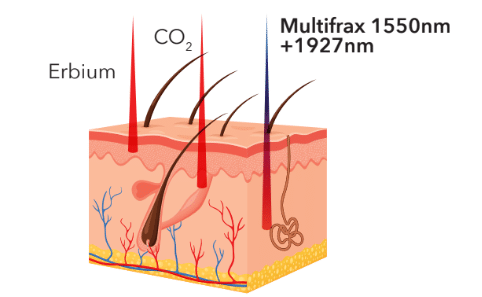
The Multifrax Digital Peel Laser is a non-ablative, dual-wavelength fractional laser treatment that uses two complementary laser wavelengths — 1550nm (erbium glass) and 1927nm (thulium fibre) — to target different depths of the skin in a single session. The 1550nm wavelength penetrates the deeper dermis to stimulate collagen remodelling from within, while the 1927nm wavelength acts on the more superficial layers to address pigmentation, skin tone, and surface texture.
As a non-ablative fractional laser, the Digital Peel Laser creates microscopic thermal treatment zones (MTZs) within the skin while leaving the surrounding tissue intact — enabling the skin’s natural repair process to proceed efficiently and with minimal disruption to the surface. The treatment is associated with minimal downtime compared to ablative resurfacing procedures.
At EHA Clinic, the Digital Peel device by Multifrax Asia is used for this treatment. The device has been assessed as suitable for use in Singapore. Suitability is assessed at consultation, and the treatment is performed by our medical doctors.

Multifrax Digital
Peel Laser
The Multifrax Digital Peel Laser is a non-ablative, dual-wavelength fractional laser treatment that uses two complementary laser wavelengths — 1550nm (erbium glass) and 1927nm (thulium fibre) — to target different depths of the skin in a single session. The 1550nm wavelength penetrates the deeper dermis to stimulate collagen remodelling from within, while the 1927nm wavelength acts on the more superficial layers to address pigmentation, skin tone, and surface texture.
As a non-ablative fractional laser, the Digital Peel Laser creates microscopic thermal treatment zones (MTZs) within the skin while leaving the surrounding tissue intact — enabling the skin’s natural repair process to proceed efficiently and with minimal disruption to the surface. The treatment is associated with minimal downtime compared to ablative resurfacing procedures.
At EHA Clinic, the Digital Peel device by Multifrax Asia is used for this treatment. The device has been assessed as suitable for use in Singapore. Suitability is assessed at consultation, and the treatment is performed by our medical doctors.
Treatment at a Glance

Procedure type
Non-ablative, dual-wavelength multifractional laser. Two wavelengths — 1550nm (erbium glass, deep dermis) and 1927nm (thulium fibre, superficial dermis and epidermis) — are used together to address skin concerns at different tissue depths.

Expected Results
Progressive improvement in skin tone, texture, and pigmentation; stimulation of dermal collagen and elastin remodelling; reduction in the appearance of pigmented spots, sun damage, melasma, acne scars, fine lines, enlarged pores, and uneven skin tone. Results vary with individuals.

Downtime

Treatment Areas
Face, neck, décolletage, hands, and other body areas (assessed at consultation)

Procedure Time
Approximately 30 minutes per session (including numbing cream application time)
What is the Multifrax Digital Peel Laser?
The Multifrax Digital Peel Laser is a medical laser device that uses fractional photothermolysis — a technique in which laser energy is delivered in a pattern of thousands of microscopic beams, each creating a discrete column of controlled thermal injury within the skin tissue. These microscopic thermal zones (MTZs) stimulate the skin’s wound-healing and remodelling response, while the surrounding untreated tissue between the MTZs provides a reservoir of intact cells that accelerates recovery.
The term “non-ablative” distinguishes this approach from ablative lasers (such as CO2 or erbium YAG), which remove the outer skin surface entirely. In non-ablative fractional treatment, the skin surface (epidermis) is preserved — only the targeted deeper zones are thermally affected. This preserves the epidermal barrier and substantially reduces recovery time compared to full ablative resurfacing.
What distinguishes the Digital Peel from single-wavelength fractional lasers is the use of two complementary wavelengths simultaneously — addressing both the deeper dermis and the superficial skin layers in a single treatment session, without requiring two separate procedures.
A clinical feature of particular relevance for Singapore’s population is the suitability of the 1927nm thulium wavelength for patients with darker Fitzpatrick skin types (III–VI). Because this wavelength is non-ablative and does not remove the skin surface, the risk of post-inflammatory hyperpigmentation (PIH) — a significant concern with ablative lasers in darker skin tones — is substantially lower, making it one of the few fractional laser options appropriate for patients who are not well-suited to PICO lasers or IPL at higher settings.
How Does the Multifrax Digital Peel Laser Work?
Fractional Photothermolysis — Targeted Zones, Intact Surrounding Tissue
The Digital Peel Laser delivers laser energy in a fractional pattern — thousands of microscopic beams penetrate the skin in a regular grid, each creating a narrow column of controlled thermal injury called a Microscopic Treatment Zone (MTZ). The tissue within each MTZ is heated to between 50–70°C, triggering fibroblast activation, collagen neogenesis, and accelerated cellular turnover.
Critically, the tissue between each MTZ remains unaffected. This creates a biological scaffold of intact cells surrounding each treated zone, which dramatically accelerates the healing process compared to treating the entire skin surface uniformly. This is the fundamental principle behind fractional resurfacing — clinical benefit with substantially reduced recovery time.
The 1927nm Wavelength — Transdermal Delivery Enhancement
An additional clinical application of the 1927nm thulium wavelength is its ability to create transient microchannels in the skin’s surface — temporary openings in the epidermal barrier that significantly enhance the penetration of topical agents applied immediately after treatment.
Dual-Wavelength Targeting — Two Depths in One Session
The two wavelengths used in the Digital Peel Laser have different tissue absorption profiles, allowing them to act at different depths:
| Wavelength | Laser Medium | Primary Target Depth | Main Clinical Application |
|---|---|---|---|
|
1550nm |
Erbium glass fibre |
Deep dermis |
Collagen remodelling; acne scar improvement; wrinkle reduction; enlarged pores |
|
1927nm |
Thulium fibre |
Superficial dermis and epidermis |
Pigmentation; sun damage; melasma; skin tone; surface texture refinement |
Using both wavelengths together allows the treatment to address both surface pigmentation and deeper structural concerns simultaneously — which a single-wavelength device can only do partially.
What Happens After Each Session
In the weeks following each treatment session, the skin’s natural repair process progresses:
- Cellular turnover: Damaged epidermal and dermal cells within the MTZs are replaced by new, healthier cells as the repair response proceeds
- Collagen remodelling: Fibroblasts activated by the thermal stimulus produce new collagen and elastin fibres, which mature progressively over 1–3 months post-treatment
- Pigment clearance: Melanin in the treated zones is broken down and cleared through the epidermal extrusion process, leading to gradual improvement in areas of hyperpigmentation

Step-by-step Treatment Process
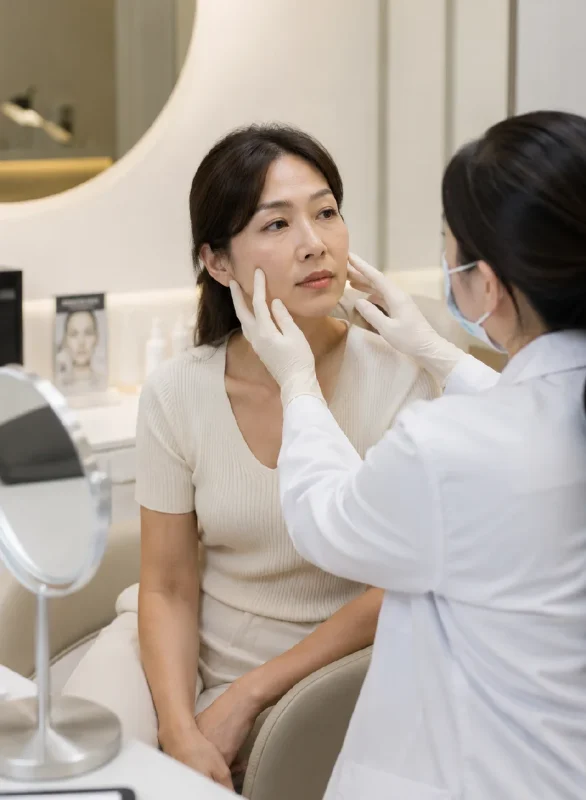
1. Consultation
The doctor assesses the patient’s skin condition, Fitzpatrick skin type, active skin concerns, medical history, and treatment goals. The appropriate laser settings, treatment areas, and number of sessions are discussed. Risks and expected recovery are explained. Informed consent is obtained before any treatment proceeds.
2. Skin preparation
The treatment area is thoroughly cleansed to remove all traces of makeup, sunscreen, oils, and skincare products. A topical numbing cream is applied and left on for approximately 20–30 minutes.
3. Laser Treatment
The numbing cream is removed and the Digital Peel Laser handpiece is passed systematically across the treatment area, delivering fractional laser energy in the pre-set pattern. Patients may feel a mild tingling, warmth, or brief snapping sensation as each pulse is delivered. A cooling method may be used concurrently to improve comfort. A typical facial session takes approximately 20–30 minutes for the laser delivery itself.
4. Post-Treatment Application
A soothing and hydrating product and sunscreen are applied before the patient leaves.
What Can the Digital Peel Laser Address?

PIGMENTED SPOTS AND SUN DAMAGE
The 1927nm thulium wavelength has been clinically studied for the treatment of photoaged skin and sun-induced pigmented lesions including lentigines (age spots), ephelides (freckles), and mottled pigmentation. In a published study, moderate to marked improvement in overall appearance and pigmentation was observed in 82% of subjects one month after two treatment sessions.

MELASMA
Melasma is a complex, chronic pigmentation condition influenced by hormonal factors and UV exposure. The 1927nm non-ablative fractional thulium laser has been investigated in clinical studies as a treatment option for melasma, including in an Asian population study of 100 patients where mean melasma area and severity scores showed significant improvement after two sessions. It is important to note that melasma is prone to relapse and ongoing sun protection and maintenance are essential.

ACNE SCARS
The 1550nm wavelength penetrates to the deep dermis where atrophic acne scars are structurally formed. Multiple clinical studies have demonstrated improvement in all acne scar types (rolling, boxcar, and icepick) using 1550nm non-ablative fractional photothermolysis, with the majority of patients achieving 50–75% improvement after a series of treatments.
FINE LINES AND WRINKLES
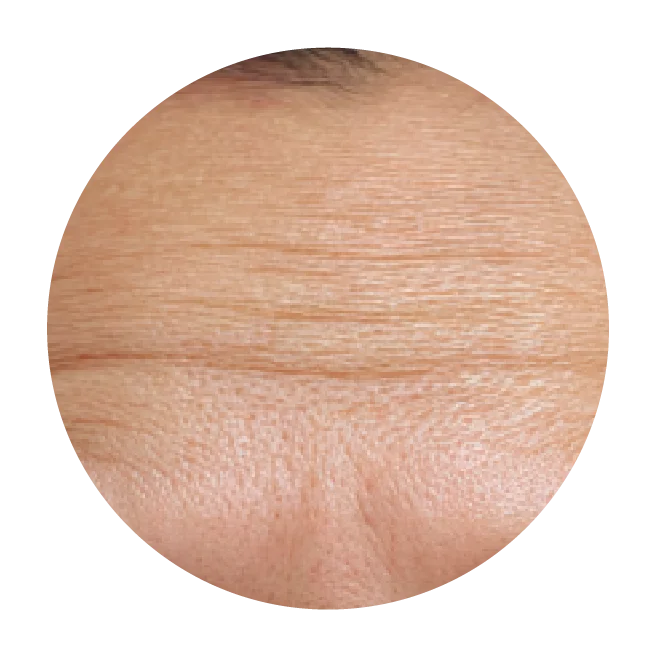
The collagen remodelling stimulated by the 1550nm deep dermal treatment progressively improves the appearance of fine lines. A clinical study using the combined 1550nm/1927nm dual system demonstrated a mean 21% reduction in fine wrinkling severity at the 3-month follow-up after a series of treatments.

ENLARGED PORES AND UNEVEN SKIN TEXTURE

SKIN TONE REFINEMENT
The 1927nm wavelength addresses melanin-related uneven skin tone and promotes epidermal cellular renewal, contributing to a more uniform complexion over time.

DARKER SKIN TYPES (FITZPATRICK III–VI)
Because the Digital Peel Laser is non-ablative — the skin surface is not removed — the risk of post-inflammatory hyperpigmentation (PIH) is substantially lower than with ablative laser treatments. This makes it one of the few fractional laser options that can be used on patients with darker Fitzpatrick skin types (III–VI) with appropriate settings, including many patients of Asian, South Asian, and South-east Asian descent.
ENHANCED TOPICAL DELIVERY
The microchannels created by the 1927nm wavelength temporarily increase skin permeability in the immediate post-treatment window, allowing enhanced penetration of topical active agents such as growth factors, peptides, or exosomes applied directly after the session.
Multifrax Digital Peel vs. Other Skin Resurfacing Approaches
| Multifrax Digital Peel (1550nm + 1927nm) | CO2 Fractional Laser (Ablative) | PICO Laser | IPL (Intense Pulsed Light) | Gold RF Microneedling | |
|---|---|---|---|---|---|
|
Type |
Non-ablative fractional |
Ablative fractional |
Nanosecond/picosecond pulse laser |
Broad-spectrum light |
Fractional radiofrequency + microneedling |
|
Depths targeted |
Deep dermis (1550nm) + superficial dermis/epidermis (1927nm) |
Full-thickness resurfacing |
Epidermis/upper dermis |
Epidermis |
Dermis (RF energy via needle tips) |
|
Skin surface disruption |
None (non-ablative) |
Yes — surface removed |
None |
None |
Minimal (pinpoint needle entry) |
|
Downtime |
2–5 days (redness, mild flaking) |
5–14 days |
1–3 days |
1–3 days |
2–5 days |
|
Suitable for darker skin types (III–VI) |
Yes — at appropriate settings |
Higher risk — caution required |
Varies; some wavelengths risk PIH in darker skin |
Higher risk in darker skin |
Yes — RF does not depend on skin colour |
|
Pigmentation |
Good — 1927nm effective for epidermal pigment |
Moderate — indirect via resurfacing |
Good — specifically targets pigment clusters |
Moderate — surface pigment |
Indirect only — primarily collagen/structural |
|
Acne scars |
Good (1550nm deep dermal remodelling) |
Very good |
Moderate |
Not primary indication |
Good |
|
Collagen remodelling |
Good (1550nm) |
Very good |
Mild |
Mild |
Good |
|
Transdermal delivery enhancement |
Yes — via 1927nm microchannels |
Partial |
No |
No |
No |
|
Sessions typically needed |
3–5 sessions spaced 4 weeks apart |
1–3 sessions |
3–6 sessions |
4–6 sessions |
3–6 sessions |
Comparisons are based on general device characteristics for educational purposes. Suitability for any treatment is determined at consultation.
What Results Can You Expect
Immediately after treatment
1–3 months (progressive improvement)
Continued improvement in pigmentation, texture, fine lines, and pore appearance as new collagen matures in the treated dermis. Published studies report that improvement in skin tone and overall appearance is most pronounced at the 1–3 month post-treatment assessment.
Days 2–5
The skin may appear slightly darker or have a fine “bronzed” texture as the extrusion of pigment from the treated MTZs progresses. Mild flaking occurs as the old epidermal cells shed to reveal the newer skin below. This typically resolves by day 3–5.
Number of sessions
A series of 3–5 sessions spaced approximately 3–4 weeks apart is typically recommended for optimal cumulative improvement. The treating doctor will advise on the appropriate number of sessions based on the skin condition being addressed, the Fitzpatrick skin type, and the individual’s response to treatment.
2–4 weeks after each session
Initial improvements in skin tone and texture become noticeable as the cellular turnover process progresses and early collagen stimulation occurs.
Maintenance
Periodic maintenance sessions may be recommended to sustain improvements, particularly for conditions prone to recurrence such as melasma and sun-induced pigmentation.
Results vary between individuals. The degree and timeline of improvement depend on the skin concern being addressed, the number of sessions completed, Fitzpatrick skin type, compliance with post-treatment sun protection, and lifestyle factors. Results cannot be guaranteed.
Side Effects and Risks
Common, expected side effects
- Redness and warmth immediately after treatment (typically resolves within 24–48 hours)
- Mild swelling (typically resolves within 1–2 days)
- Fine surface flaking or shedding as the treated epidermis exfoliates (days 2–5)
- Temporary darkening of pigmented lesions before they shed (a normal part of the treatment response)
- Temporary dryness and mild sensitivity in the treated area
Less common side effects
- Prolonged redness beyond 1 week (more common at higher settings or in sensitive skin types)
- Post-inflammatory hyperpigmentation (PIH) — temporary darkening of treated areas; risk is higher in Fitzpatrick types IV–VI if settings are too aggressive or if sun protection is not followed strictly post-treatment
- Herpes simplex reactivation in patients with a history of oral or labial herpes — prophylactic antiviral medication may be prescribed for patients with relevant history
Rare side effects
- Prolonged hyperpigmentation
- Paradoxical darkening of melasma (documented as a risk with some laser treatments for melasma — discussed at consultation)
- Scarring (very rare with non-ablative laser; associated with incorrect settings or post-treatment infection)
At EHA Clinic, the Digital Peel Laser treatment is performed by registered medical doctors. Settings are calibrated based on Fitzpatrick skin type and the individual’s skin condition. Full details of potential side effects and risks are discussed at consultation, and informed consent is obtained before treatment.
Who May Be Suitable for the Digital Peel Laser?
Suitable candidates:
- Adults with pigmentation concerns including sun spots, age spots, freckles, mottled skin tone, or melasma
- Those with acne scarring (rolling, boxcar, and mixed scar types) who are seeking gradual improvement through a series of sessions
- Individuals with fine lines, enlarged pores, or rough skin texture seeking non-ablative improvement with minimal downtime
- Patients with darker Fitzpatrick skin types (III–VI) who are not well-suited to higher-energy ablative lasers, certain PICO laser wavelengths, or IPL treatments
- Those seeking a non-ablative approach that does not involve removal of the skin surface
- Patients with realistic expectations regarding the gradual, cumulative nature of results over a series of sessions
The Digital Peel Laser may NOT be suitable for individuals with:
- Active skin infections, open wounds, or active acne breakouts in the treatment area
- Active cold sores or herpes simplex lesions (treatment may be performed after resolution; antiviral prophylaxis discussed at consultation)
- History of isotretinoin (Roaccutane) use within the preceding 6–12 months (increased risk of delayed healing)
- Pregnancy or breastfeeding
- Known photosensitivity conditions or use of photosensitising medications
- Active or undiagnosed skin lesions, or suspected skin malignancy in the treatment area
- History of keloid or hypertrophic scarring (assessed individually)
- Recent significant sun exposure or sunburn in the treatment area (treatment typically deferred by 2–4 weeks)
Suitability is assessed at consultation. The doctor will review medical history, current skincare regimen, medications, and skin condition before recommending a treatment plan and appropriate settings.

Frequently Asked Questions (FAQs)
What is the Multifrax Digital Peel Laser?
The Multifrax Digital Peel Laser is a non-ablative dual-wavelength fractional laser treatment using two wavelengths — 1550nm (erbium glass fibre) and 1927nm (thulium fibre) — to address skin concerns at different tissue depths in a single session. It creates microscopic thermal treatment zones within the skin to stimulate collagen remodelling and cellular turnover, without removing the skin surface. It is used for pigmentation, melasma, acne scars, fine lines, enlarged pores, and uneven skin texture.
What does "non-ablative" mean and why does it matter?
“Non-ablative” means the laser does not remove or ablate the outer skin surface (epidermis) during treatment. The laser energy passes through the epidermis and creates thermal treatment zones within the dermis, while the surface layer remains intact. This preserves the epidermal barrier, substantially reduces recovery time (compared to ablative lasers such as CO2), and lowers the risk of complications including infection and significant post-inflammatory pigment changes. Downtime is typically 2–5 days rather than the 5–14 days associated with full ablative resurfacing.
Why are two different wavelengths used together?
The 1550nm and 1927nm wavelengths have different water absorption coefficients and penetrate to different depths in the skin. The 1550nm wavelength penetrates deeper into the dermis and is particularly effective for collagen remodelling — beneficial for acne scars, fine lines, and skin firmness. The 1927nm wavelength acts on the more superficial dermis and epidermis and is particularly effective for addressing pigmentation, sun damage, and overall skin tone. Using both wavelengths simultaneously allows a more comprehensive resurfacing effect in a single session compared to a single-wavelength device.
Is the Digital Peel Laser suitable for darker skin types?
The non-ablative nature of the 1927nm thulium wavelength makes it more suitable for patients with darker Fitzpatrick skin types (III–VI) compared to ablative laser options, as it does not remove the skin surface and carries a substantially lower risk of post-inflammatory hyperpigmentation (PIH). Published clinical studies have demonstrated its safety and efficacy in Asian skin and other darker skin types at appropriate settings. Settings are carefully calibrated at EHA Clinic based on Fitzpatrick type and individual skin assessment.
How many sessions do I need?
A series of 3–5 sessions spaced approximately 3–4 weeks apart is typically recommended for optimal cumulative improvement. The appropriate number of sessions depends on the skin condition being treated, the degree of concern, and the individual’s response to treatment. Your doctor will advise on the treatment plan at consultation and after assessing your initial response.
Is there downtime?
Downtime is minimal compared to ablative lasers. Mild redness, warmth, and fine surface flaking are expected in the days following treatment. Most patients experience a “bronzed” appearance for 2–5 days as the treated epidermal cells shed, after which the skin typically appears clearer. Most patients can resume work and daily activities promptly, though events requiring clear skin should be planned with appropriate buffer time.
Can the Digital Peel Laser treat melasma?
Melasma can be addressed with the 1927nm thulium wavelength. However, melasma is a complex condition influenced by hormonal factors, UV exposure, and heat — it is prone to relapse and cannot be permanently “cured” with laser treatment alone. A series of sessions combined with rigorous daily sun protection and, in many cases, topical treatments form the basis of a melasma management plan. The doctor will discuss realistic expectations for melasma management at consultation.
Can it treat acne scars?
The 1550nm erbium glass wavelength targets the deep dermis where atrophic acne scars are structurally located, stimulating collagen remodelling that gradually improves scar depth and texture over a series of sessions. Published data on 1550nm fractional photothermolysis for acne scars in Fitzpatrick types I–V shows the majority of patients achieving 50–75% improvement after a treatment series. Individual results vary based on scar type and depth.
What is the "Digital Peel" aspect of the treatment?
The “digital peel” refers to the 1927nm wavelength’s mechanism of accelerating epidermal cellular turnover. Unlike a chemical peel which uses an acidic solution to damage and lift the surface skin, the 1927nm laser creates controlled microscopic thermal zones in the superficial skin layers, stimulating the extrusion and replacement of old epidermal cells — producing a similar surface refinement effect through a different, laser-based mechanism and with more precise depth control.
What should I avoid before and after treatment?
Before: Avoid excessive sun exposure for at least 2 weeks prior to treatment. Avoid tanning (natural or artificial). Discontinue retinoids, AHAs/BHAs, and other active topical ingredients for 5–7 days before treatment (or as directed). Inform the clinic of all medications including isotretinoin history, photosensitising medications, anticoagulants, and supplements. Inform the clinic of any history of cold sores (herpes simplex).
After: Apply broad-spectrum sunscreen (SPF 30 or higher) diligently — this is essential from day one. Avoid direct sun exposure for at least 2 weeks. Use gentle, fragrance-free skincare only. Avoid retinoids, AHAs/BHAs, exfoliating acids, and active ingredients for at least 1 week post-treatment. Avoid strenuous exercise, saunas, and heat environments for 48 hours. Do not pick at or manually exfoliate the peeling skin.
Can you show before-and-after photos or guarantee results?
In accordance with Singapore’s MOH/HCSA advertising regulations, before-and-after photos are not displayed in public advertising materials. Example images may be viewed in-clinic during consultation for educational purposes only, with appropriate clinical context provided. Results cannot be guaranteed; individual outcomes vary depending on skin condition, treatment settings, number of sessions, and post-treatment care compliance.
Who performs Digital Peel Laser treatments at EHA Clinic?
Digital Peel Laser treatments are performed by registered medical doctors at EHA Clinic, in accordance with the SMC Guidelines on Aesthetic Practices for Doctors and Singapore’s Healthcare Services Act (HCSA) regulatory framework.
Can Digital Peel Laser be combined with other treatments?
The Digital Peel Laser may be used as part of a combination skin treatment programme alongside other procedures, such as injectable skin boosters for hydration, or energy-based treatments targeting different concerns. The combination approach, sequencing, and timing will be discussed with your doctor at consultation based on your individual skin condition and goals.
Post-treatment care
- Apply broad-spectrum sunscreen (SPF 30 or higher) from day one and every day thereafter — this is the single most important step to protect the treated skin, reduce the risk of PIH, and preserve treatment results
- Avoid direct sun exposure for at least 2 weeks following treatment
- Use gentle, fragrance-free cleanser and moisturiser only; avoid active skincare ingredients (retinoids, AHAs/BHAs, vitamin C, niacinamide at high concentrations) for at least 7 days or as directed by the doctor
- Do not pick at, scrub, or manually exfoliate the treated skin as it sheds — allow the natural shedding process to occur
- Avoid strenuous exercise, saunas, steam rooms, and prolonged heat exposure for 48 hours
- Stay well hydrated; maintain gentle skin hydration throughout the peeling phase
- Do not apply makeup over actively shedding skin; resume when the surface is intact (typically day 3–5 at standard settings)
- Attend your scheduled follow-up appointment and inform the clinic immediately if unexpected prolonged redness, blistering, or other concerning changes occur
Book a Consultation
The Multifrax Digital Peel Laser is suitable for a range of age groups, all genders, and a broad range of Fitzpatrick skin types including darker skin tones. The treatment settings and session plan are customised at consultation based on each individual’s skin condition, concerns, and goals. A consultation with our medical doctors is required to determine if the Digital Peel Laser is appropriate for you.
Alternatively, reach out to us for a non-obligatory consultation
Meet your EHA Clinic Doctor

Dr. Elias Tam, the Doctor Trainer
Dr. Elias Tam, with over 30 years in medicine, leads EHA Clinic, focusing on advancing technical standards in aesthetic medicine. He holds the position of Clinical Lecturer at University College London. Throughout his many years as an aesthetic doctor, Dr. Tam has held multiple hands-on training sessions and seminars, sharing his vast knowledge and expertise with aspiring doctors in the field.
Under his guidance, EHA Clinic offers a safe and comprehensive range of aesthetic treatments for the face, body, and hair; including clinically established treatments such as hair transplants, non-surgical face-lifting, body sculpting, fillers and other injectable treatments.