
WonderLift
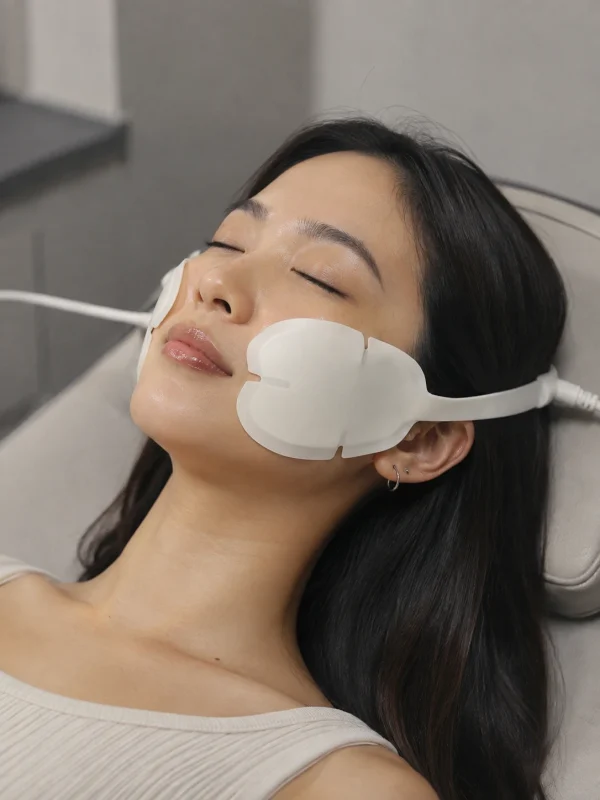
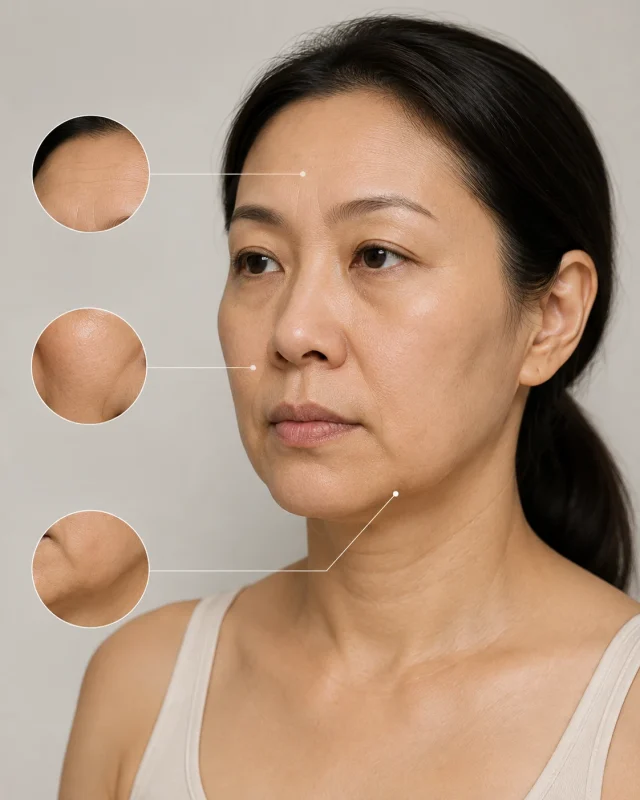
WonderLift is a non-invasive treatment that combines synchronised monopolar radiofrequency (RF) with neuromuscular electrical stimulation, delivered through applicators placed on three key facial regions: the forehead, cheeks, and chin. The treatment is designed to address two distinct aspects of facial ageing at the same time: skin laxity from collagen loss, and the loss of underlying facial muscle tone and thickness that occurs with age.
Most aesthetic treatments focus only on the skin. But research shows facial muscles themselves also thin and weaken with age, which contributes to sagging and a loss of definition. WonderLift’s muscle-stimulation component works to activate and tone these muscles, while its RF component works on the skin to support collagen production and tightening, addressing both at once.
At EHA Clinic, WonderLift treatments are performed by trained personnel under medical supervision and are customised to the individual’s facial anatomy and treatment goals. Suitability is assessed at consultation.

WonderLift
WonderLift is a non-invasive treatment that combines synchronised monopolar radiofrequency (RF) with neuromuscular electrical stimulation, delivered through applicators placed on three key facial regions: the forehead, cheeks, and chin. The treatment is designed to address two distinct aspects of facial ageing at the same time: skin laxity from collagen loss, and the loss of underlying facial muscle tone and thickness that occurs with age.
Most aesthetic treatments focus only on the skin. But research shows facial muscles themselves also thin and weaken with age, which contributes to sagging and a loss of definition. WonderLift’s muscle-stimulation component works to activate and tone these muscles, while its RF component works on the skin to support collagen production and tightening, addressing both at once.
At EHA Clinic, WonderLift treatments are performed by trained personnel under medical supervision and are customised to the individual’s facial anatomy and treatment goals. Suitability is assessed at consultation.
Treatment at a Glance

Procedure type
Non-invasive. Combines synchronised monopolar radiofrequency with neuromuscular electrical stimulation, delivered via applicators placed on the forehead, cheeks, and chin.

Expected Results
Improved facial muscle tone and thickness, particularly in the zygomatic (cheek), frontal (forehead), and platysma (jawline/chin) muscle groups; supports skin firmness through RF-induced collagen stimulation. Results vary with individuals.

Downtime

Treatment Areas
Face: forehead, cheeks, and chin (jawline/submental area)

Procedure Time
25 minutes per session
What is WonderLift?
WonderLift is built around a simple idea: facial ageing isn’t just about the skin losing elasticity; it’s also about the muscles underneath losing thickness and tone. When those muscles weaken, they support the skin above them less well, which contributes to sagging, a loss of definition, and a tired-looking appearance.
WonderLift combines two energy-based technologies delivered simultaneously through the same applicator:
Neuromuscular Electrical Stimulation (Muscle Component)
Electrical impulses make your facial muscles (the forehead, cheek, and jawline/neck muscles) contract repeatedly, similar to how electrical stimulation is used in physiotherapy to strengthen muscles elsewhere in the body. Over a course of sessions, this repeated contraction is intended to improve muscle tone and thickness in these areas.
Synchronised Monopolar Radiofrequency (Skin Component)
At the same time, RF energy gently heats the deeper layer of the skin. This heat does two things: it causes an immediate, mild tightening of existing collagen, and it triggers the skin’s natural healing response, which produces new collagen over the following weeks and months.
By addressing both the muscle layer and the skin layer within the same 25-minute session, WonderLift is designed to work on multiple structural contributors to facial ageing simultaneously.
How Does WonderLift Work?
Facial Muscle Toning
Think of it as a workout for your facial muscles: electrical impulses make the targeted muscles contract repeatedly during the session, much like an exercise machine works a muscle in the body.
Clinical research on facial NMES devices has measured statistically significant increases in cheek muscle thickness over a course of treatment, compared to no meaningful change in untreated control groups. Participants in these studies have also reported high rates of noticeable improvement in facial firmness, tone, and lift, considerably higher than those reported by control groups.
More recent studies combining synchronised RF with high-intensity facial electrical stimulation (HIFES) technology have reported measurable increases in zygomaticus major and frontalis muscle thickness, alongside improvements in muscle quality (measured via ultrasound echo intensity) and midface volume, with high patient-reported satisfaction rates.
RF-Induced Skin Tightening
The RF energy generates heat in the deeper, collagen-rich layer of the skin. This heat does two things: it immediately, mildly tightens existing collagen, and it kicks off a longer-term healing response that produces new collagen over the following months.
Clinical studies of monopolar RF devices have documented statistically significant increases in collagen density following treatment, along with a more organised, healthier-looking collagen structure under the microscope.
Combined Effect
Combining both technologies in the same session is intended to produce a more comprehensive rejuvenating effect than either technology alone, supporting the underlying muscle structure while simultaneously addressing the skin layer.
Published clinical studies of combined synchronised RF and HIFES treatment have found significant improvements in forehead and cheek lifting sustained at 6 months, a measurable eyebrow lift, and substantial improvement in skin firmness, with treatment generally well tolerated and no serious adverse events reported.
The scientific literature on facial neuromuscular electrical stimulation specifically for aesthetic purposes remains a developing area, and study authors have noted the need for further research with larger sample sizes and longer-term follow-up to confirm findings.

Step-by-step Treatment Process
1. Consultation
Facial anatomy, skin condition, and areas of concern are assessed. Appropriate treatment settings and areas are determined based on the individual’s goals. Risks and expected outcomes are discussed.
2. Preparation
The skin is thoroughly cleansed to remove makeup, oils, or impurities that could interfere with treatment delivery. A conductive gel is applied to the skin to enhance RF energy delivery and ensure smooth application of the treatment applicators.
3. Treatment
Applicators are placed sequentially on the three main treatment regions (forehead, cheeks, and chin), delivering synchronised RF and neuromuscular stimulation. Patients typically feel a warming sensation from the RF energy and a tapping or pulsing muscle contraction sensation from the neuromuscular stimulation. Each session lasts approximately 25 minutes.
4. Post-Treatment
Most patients experience no downtime and can resume normal activities immediately. A mild warming sensation or muscle fatigue, similar to the feeling after light exercise, may be present for a short period after the session.
What Can WonderLift Address?
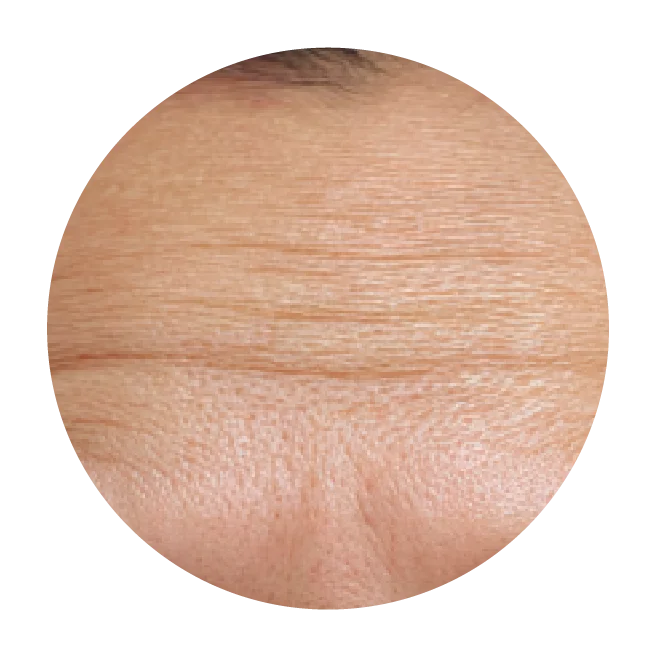
FRONTAL (FOREHEAD) MUSCLE
Stimulating the forehead muscle is designed to tighten the skin and increase muscle tone in this area.

ZYGOMATIC (CHEEK) MUSCLE
Toning the main cheek muscle may help soften the appearance of nasolabial folds (smile lines) and has been studied for its role in supporting midface volume and structure.
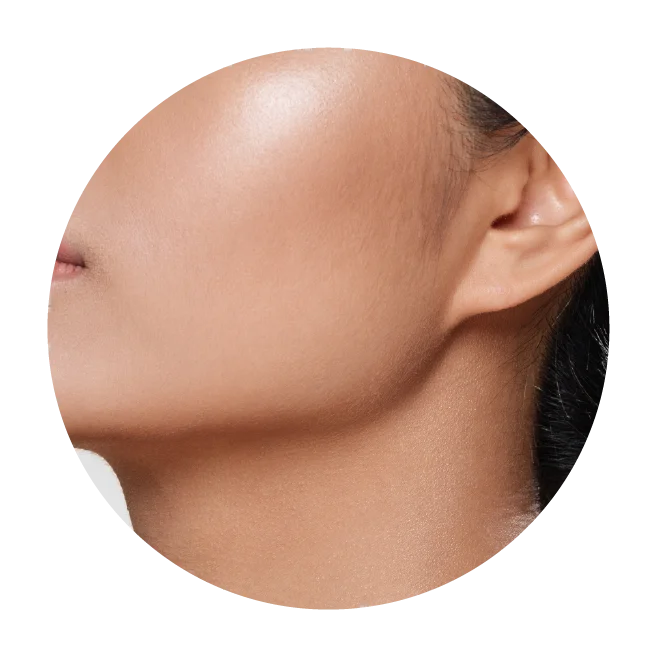
SUBMAXILLARY / PLATYSMA (CHIN AND JAWLINE)
Stimulation in this region targets the muscle running down the jawline and neck, which contributes to a double chin and softer jawline definition when it weakens or sags.
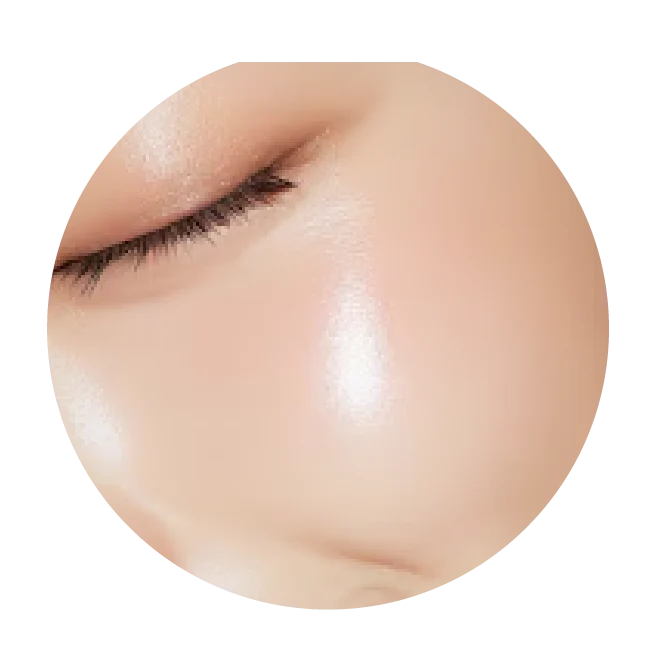
SKIN FIRMNESS AND TEXTURE
The RF component of the treatment supports collagen production in the dermis, contributing to overall skin firmness, texture, and a more youthful appearance over the course of treatment.
Note: Individual outcomes depend on baseline muscle tone, skin condition, and the number of sessions completed. Suitability and expected results are assessed at consultation.
What Results Can You Expect
Immediately after treatment
A warming sensation and mild muscle fatigue may be present. No significant downtime is expected
Early sessions (first few weeks)
Some patients report early improvements in comfort and skin sensation as they progress through the initial sessions of a course.
6–12 weeks
Muscle toning effects, including measurable increases in facial muscle thickness, have been documented in clinical studies at the 6-and-12-week marks following a course of neuromuscular stimulation treatment.
3–6 months
Skin firmness improvements from the RF component continue to develop as collagen remodelling progresses, with clinical studies reporting sustained lifting and firmness improvements at the 3-to-6-month mark following a treatment course.
Course length
As with other muscle-toning and skin-tightening treatments, WonderLift is typically recommended as a course of multiple sessions rather than a single treatment, in order to achieve and sustain the muscle-toning and collagen-stimulation effects observed in clinical studies. The recommended number and frequency of sessions will be discussed with you based on your individual assessment.
Maintenance
Periodic maintenance sessions may be recommended to sustain results, as both muscle tone and collagen levels are affected by the ongoing natural ageing process.
Results vary between individuals. Outcomes depend on factors including baseline muscle tone, skin condition, age, the number of sessions completed, and adherence to the recommended treatment course. Results cannot be guaranteed.
Side Effects and Risks
Common, expected side effects
- Mild warming sensation during treatment from the RF component
- Muscle fatigue or a tapping/pulsing sensation from the neuromuscular stimulation component
- Mild, transient redness immediately after treatment
Less common side effects
- Mild discomfort during treatment, particularly during earlier sessions before the skin and muscles acclimatise; clinical studies have reported pain scores decreasing over the course of a treatment series
- Temporary tingling or twitching sensation in the treated muscle after the session
Rare side effects
- Skin irritation or mild burns from RF energy if settings are not properly calibrated to the individual’s skin sensitivity; minimised through use by trained personnel under proper technique
- Adverse reaction in individuals with underlying neuromuscular conditions
Clinical studies of combined synchronised RF and neuromuscular/electrical stimulation treatments have generally reported favourable safety profiles, with no serious adverse events documented across several published studies. At EHA Clinic, WonderLift treatments are performed under medical supervision. Full details of potential risks are discussed at consultation, and informed consent is obtained before treatment.
Who May Be Suitable for WonderLift?
Suitable candidates:
- Adults seeking to address early signs of facial muscle laxity, including reduced firmness in the cheeks, forehead, or jawline
- Individuals with mild to moderate skin laxity seeking a non-invasive treatment combining muscle toning with skin tightening
- Those with concerns about nasolabial fold prominence associated with midface muscle and volume changes
- Individuals with early double chin appearance related to platysma muscle laxity
- Patients seeking a treatment with no significant downtime
- Those willing to commit to a course of multiple sessions to achieve the muscle-toning and skin-tightening effects studied in clinical literature.
WonderLift may NOT be suitable for individuals with:
- Pregnancy or breastfeeding
- Implanted electronic devices (e.g. pacemakers or defibrillators) due to the electrical and RF components of treatment
- Active skin infections, open wounds, or significant inflammation in the treatment area
- Certain neuromuscular or neurological conditions (assessed individually)
- Metallic implants in the treatment area
- Advanced skin laxity or muscle atrophy where more structural interventions (e.g. thread lift, surgical options) may be more appropriate
- Unrealistic expectations of the degree of change achievable through a non-invasive, course-based treatment
Suitability is assessed at consultation. The doctor or trained provider will review the patient’s medical history and treatment goals before recommending a treatment plan.
Frequently Asked Questions (FAQs)
What is WonderLift?
WonderLift is a non-invasive treatment that combines synchronised monopolar radiofrequency (RF) with neuromuscular electrical stimulation, applied to the forehead, cheeks, and chin. It is designed to tone facial muscles that weaken with age while simultaneously supporting collagen production and skin tightening in the dermis, addressing both the muscular and skin components of facial ageing in the same session.
How does facial muscle stimulation work?
It sends electrical impulses that make your facial muscles (in the forehead, cheeks, and jawline) contract repeatedly, similar to an exercise effect. Clinical studies have measured increases in facial muscle thickness following a course of this type of stimulation.
Is there scientific evidence for facial muscle toning treatments?
Yes, though the body of research is still developing. Clinical studies of facial neuromuscular electrical stimulation devices have measured meaningful increases in cheek muscle thickness over a course of treatment, alongside high rates of subjective improvement reported by participants. More recent studies combining RF with electrical stimulation have reported measurable increases in muscle thickness and quality, sustained skin lifting at 6 months, and high patient satisfaction. Researchers note that further studies with larger sample sizes are needed to confirm and extend these findings.
How is WonderLift different from HIFU or Gold RF Microneedling?
The key difference is the muscle-stimulation component, which specifically targets facial muscle tone and thickness: something HIFU (which uses focused ultrasound) and RF microneedling (which combines RF with microneedling for skin quality) don’t directly address. WonderLift’s RF component works on the skin much like other RF-based treatments, but its added muscle-toning component works on a different layer of facial ageing altogether.
How many sessions do I need?
WonderLift is typically recommended as a course of multiple sessions, similar to how muscle toning is approached in physiotherapy. The exact number and frequency of sessions will be assessed and recommended based on your individual facial anatomy and goals at consultation.
Is there any downtime?
No significant downtime is expected. Most patients resume normal activities immediately after each 25-minute session. A mild warming sensation or muscle fatigue similar to the feeling after light exercise may be present briefly afterward.
Is WonderLift painful?
Most patients describe the sensation as a warming feeling from the RF component and a tapping or pulsing sensation from the muscle stimulation component. Clinical studies have reported that discomfort tends to decrease over the course of a treatment series as the skin and muscles acclimatise.
What areas does WonderLift treat?
WonderLift applicators are placed on three main facial regions: the forehead (frontalis muscle), cheeks (zygomaticus major muscle), and chin/jawline (platysma muscle).
Can WonderLift be combined with other treatments?
WonderLift may be used as part of a combination treatment approach alongside HIFU-based skin tightening, Gold RF Microneedling, Dermalift, or thread lifts, depending on the individual’s concerns. The combination approach and sequencing are discussed with your doctor at consultation.
Who performs WonderLift treatments at EHA Clinic?
WonderLift treatments at EHA Clinic are performed by trained personnel under medical supervision, in accordance with Singapore’s Healthcare Services Act (HCSA) regulatory framework and applicable guidelines for aesthetic treatments.
Can you show before-and-after photos or guarantee results?
In accordance with Singapore’s MOH/HCSA advertising regulations, before-and-after photos are not displayed in public advertising materials. Example images may be viewed in-clinic during consultation for educational purposes, with appropriate clinical context. Results cannot be guaranteed; individual outcomes vary.
How is cost determined?
Cost depends on the number of sessions in the recommended treatment course and the areas treated. A personalised estimate will be provided at consultation.
Post-treatment care
- No significant downtime is expected; most patients resume normal activities immediately
- A mild warming sensation or muscle fatigue may be present briefly after the session and typically resolves on its own
- Stay well hydrated to support the skin’s natural recovery process
- Apply broad-spectrum sunscreen (SPF 30 or higher) daily as part of general skin care
- Attend the recommended full course of sessions to achieve the muscle-toning and skin-tightening effects studied in clinical literature
- Contact the clinic if you experience any prolonged discomfort, unusual skin reaction, or symptoms that concern you
Consultation
WonderLift is suitable for adults seeking to address facial muscle laxity and skin firmness through a non-invasive, no-downtime treatment approach. Chat with us on WhatsApp to find out if WonderLift is right for you.
Alternatively, reach out to us for a non-obligatory consultation
Meet your EHA Clinic Doctor

Dr. Elias Tam, the Doctor Trainer
Dr. Elias Tam, with over 30 years in medicine, leads EHA Clinic, focusing on advancing technical standards in aesthetic medicine. He holds the position of Clinical Lecturer at University College London. Throughout his many years as an aesthetic doctor, Dr. Tam has held multiple hands-on training sessions and seminars, sharing his vast knowledge and expertise with aspiring doctors in the field.
Under his guidance, EHA Clinic offers a safe and comprehensive range of aesthetic treatments for the face, body, and hair; including clinically established treatments such as hair transplants, non-surgical face-lifting, body sculpting, fillers and other injectable treatments.