
FUE Hair Transplant
Hair transplant procedures involve relocating hair follicles from the occipital area (back of the scalp) to areas experiencing thinning or hair loss, such as the front or vertex. These follicles are typically more resistant to the effects of dihydrotestosterone (DHT), which may allow them to grow more consistently compared to hairs in other regions.
One commonly used method involves removing a strip of scalp from the donor area to harvest follicles (also called FUT). While effective, this method carries potential risks such as a visible linear scar, temporary or persistent numbness, bleeding, and in rare cases, tissue injury. A detailed consultation with a qualified doctor is required to discuss suitability, expected outcomes, risks, alternative techniques such as FUE, and aftercare before proceeding.
- Fuller Hair
- Natural-looking result
- Improved overall appearance
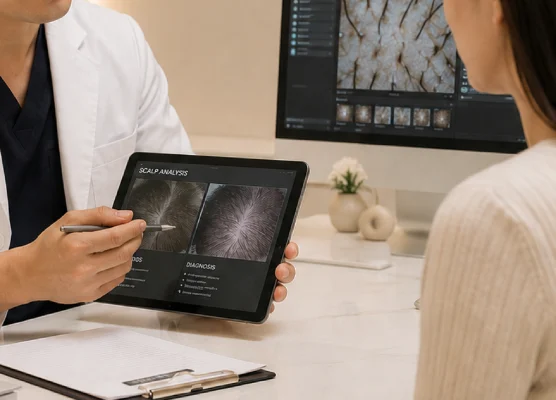
FUE Hair Transplant at a Glance

Procedure Type
Hair transplant using follicular unit extraction (FUE).

Result
Natural, transplanted hair grows by itself; improved overall appearance. Results vary with individuals.

Downtime
Recovery time:
1-2 weeks
Visible growth timeline:
2-6 months
(up to 12 months for full results)

Treated Area
Scalp.

Procedure Time
Full day.
What is a FUE Hair Transplant?
A hair transplant works by transplanting stronger hair follicles from the occiput area (back of the head) to the front or vertex (top of the head), because these hairs are generally more resistant to DHT and will continue to grow as if they were still at the back of the scalp. The standard method of cutting a strip of scalp from the back to obtain the hair follicle has been effective, but carries a risk of a visible scar, numbness, and in some instances damage to blood vessels, resulting in bleeding and possible tissue injury to the area supplied by that vessel.
Besides hair loss, hair transplants may also be used to cover scars caused by burns or surgical procedures like a facelift or thread lift. Individuals born with sparse eyebrows, sideburns, or eyelashes may also benefit from a hair transplant to these areas.
For those who may not have enough donor hair, follicles can even be harvested from the body — a better result is typically achieved from beard hair, as follicles harvested from the arms and legs can be unpredictable. Because it takes several months before transplanted hairs start to grow, advance planning is required if you have a targeted date for your desired result.
What Can FUE Hair Transplant Help With?
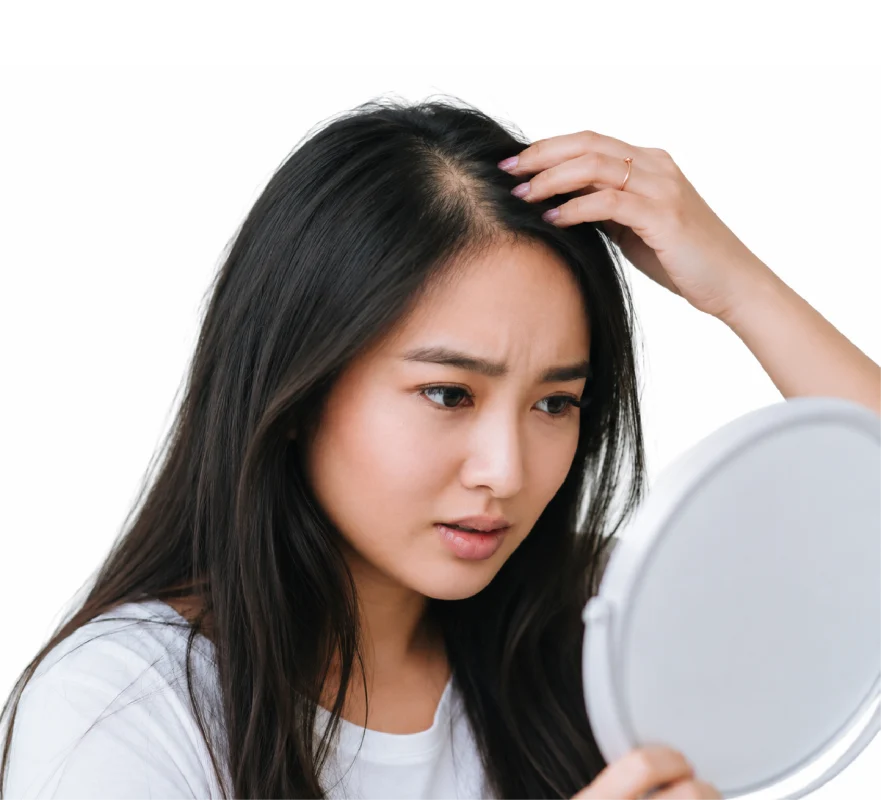
Hair loss
Improvement in overall appearance
What are the Causes of Hair Loss?
Many things can cause hair loss, so it’s important to look at all of them. The reasons can be very different and complicated, ranging from infections to hormonal changes.
Androgenic alopecia, which shows up as male or female pattern baldness, is a common cause. Studies suggest that a significant proportion of men over 50 and women after menopause experience some degree of androgenic alopecia.
Finding the cause of hair loss is the first step to stopping it. For example, if an illness is to blame, antibiotics may be given. Steroid treatments may be needed to calm the immune system in people with autoimmune conditions.
After addressing the root cause, the focus shifts to supporting faster hair growth. Good scalp skin health is an important part of this, since skin supports hair cells. Lifestyle factors such as getting enough sleep and eating well are also important.
What to expect after procedure
The transplanted hair will start growing and a proper hair care regimen is recommended.
*Results may vary with individuals
Post-treatment care
Patients are recommended to take care of their hair with treatments and hair gardening methods.
What other hair loss solutions are available?
Other hair loss solutions include oral supplements, topical treatments such as AnteAGE, and in-clinic options such as Regenera Activa.
Who is NOT Suitable for a FUE Hair Transplant?
Patients with these conditions :
- Diffuse, unpatterned alopecia, where the donor area itself is affected and cannot reliably supply healthy follicles
- Diseased donor supply
- Low hair density
Always seek advice and treatment from a licensed medical professional.
EHA Hair Gardening Programme | Hair Loss Treatment Singapore
The EHA Hair Gardening Programme is a medically supervised, assessment-led hair restoration programme that addresses hair loss and thinning by identifying the underlying cause and combining targeted treatments across five key pillars of scalp and follicle health.
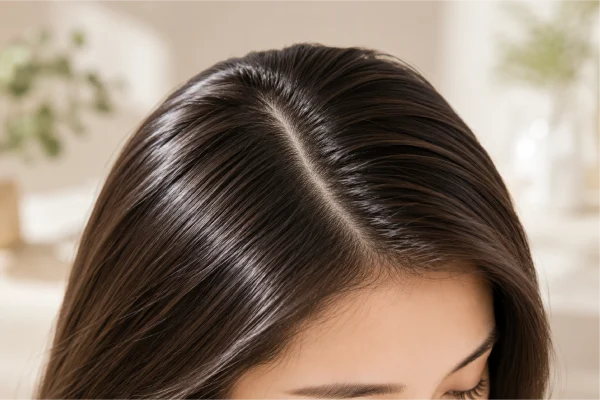
What is Hair Gardening?
The Hair Gardening Programme is a clinical framework used at EHA Clinic that treats hair loss by addressing five biological conditions simultaneously: follicle health, scalp condition, blood supply and nutrients, DHT hormone management, and energy-based stimulation.
The premise is straightforward: like a garden, healthy hair requires more than one condition to thrive. A seed alone does not grow without healthy soil, adequate water, protection from pests, and the right light.
Applied to hair science, these five conditions map directly to the biological factors that govern hair growth:
- Seed → Hair follicles: the biological units of hair growth
- Soil → Scalp condition: the environment in which follicles sit
- Water & Nutrients → Blood supply and nutrition to the follicle
- Insecticide → DHT (dihydrotestosterone) blockers: addressing the hormonal driver of androgenetic hair loss
- Sunlight → Energy-based stimulation to activate follicle function
No single treatment addresses all five. The Hair Gardening Programme identifies which pillars are compromised for each patient, then builds a plan accordingly.

Who is the Hair Gardening Programme for?
The programme is designed for patients experiencing:
- Hair thinning — reduced density or volume over time
- Increased hair fall — shedding noticeably beyond your normal baseline
- Widening parting or visible scalp in areas of previous density
- Receding hairline (male or female pattern)
- Patchy hair loss (alopecia areata)
- Post-partum hair shedding
- Scalp health concerns contributing to poor hair quality
Suitability is confirmed at consultation. Patients with active scalp infections or certain uncontrolled medical conditions may need to address those before beginning.
What causes hair loss?
Hair loss has multiple causes that can produce the same outward appearance. The most common is androgenetic alopecia, driven by genetic sensitivity to DHT. Other causes include nutritional deficiencies, scalp health conditions, hormonal shifts, and stress-related shedding (telogen effluvium). Identifying the cause is the first step — treating the wrong one produces limited results.

GENETICS
Androgenetic alopecia (male or female pattern hair loss), the most common cause

HORMONAL CHANGES
DHT sensitivity, post-partum hormone shifts, thyroid imbalances

NUTRITIONAL DEFICIENCIES
Insufficient iron, zinc, Vitamin B (especially B6), Vitamin C, or protein

SCALP HEALTH
Sebum build-up, dandruff, fungal conditions, or inflammation

STRESS AND LIFESTYLE
Telogen effluvium (diffuse shedding triggered by physical or emotional stress)
MEDICATIONS
Or underlying medical conditions
How does the hair loss assessment work?
Dr Elias Tam and his team of dedicated doctors and staff begin with a full medical consultation: physical examination of the scalp and hair, detailed personal and family medical history, and a review of lifestyle factors.
Where clinically indicated, blood tests may be ordered to identify underlying causes such as hormonal imbalances, iron or nutrient deficiencies, or thyroid dysfunction. This informs which pillars of the Hair Gardening framework need to be addressed.
The outcome is an individualised treatment plan — not a fixed package, but a combination matched to your specific cause and severity.
What does the Hair Gardening Programme include?
Treatments are selected and combined based on assessment findings. Not all patients require every modality.
1. Follicles (Seed)
Restoring or Replacing Hair Follicles
Regenera Activa
An autologous (using your own cells) in-clinic procedure. A small sample of healthy scalp tissue is extracted, processed into a micro-graft concentrate, and re-injected into areas of thinning. The concentrate contains cellular material from the patient’s own follicles to support regeneration. Suitable for hair thinning and early-to-moderate androgenetic alopecia.
FUE Hair Transplant (Follicular Unit Extraction)
A surgical procedure for patients with significant or established hair loss. Individual follicular units are extracted from a donor area using a micro-punch (0.8mm–1.3mm) and implanted into thinning regions under local anaesthesia. Advantages over the strip technique include no visible linear scar, minimal risk to surrounding vessels, and no stitching required. Transplanted hair grows naturally and can be cut, coloured, and styled.
2. Scalp Condition (Soil)
Optimising the Environment for Growth
A healthy scalp is the foundation for effective hair treatments. Scalp concerns — including excess sebum, dandruff, itchiness, fungal conditions, or post-procedure inflammation — can impede follicle function and reduce the efficacy of other treatments.
Medicated Scalp Care
Prescription or clinical-grade scalp shampoos and solutions to address sebum control, dandruff, itchiness, or post-procedure scalp care. Products are selected based on individual scalp condition and may include specialist shampoos to control sebum and promote a healthy scalp environment.
3. Blood Supply & Nutrients (Water)
Feeding the Follicle
Topical Minoxidil
A topical solution that stimulates blood flow to the scalp and extends the active growth phase of the hair cycle. Used for androgenetic alopecia in both men and women.
Oral Hair Growth Supplements
Oral supplements (including marine protein-based formulations) that supply nutrients to the hair follicle and support the hair growth cycle. Suitable as part of a broader nutritional strategy. Candidates with deficiencies identified on blood test may also receive targeted nutritional guidance.
AnteAGE MD® Hair System
A medical-grade topical treatment incorporating nine bio-identical recombinant growth factors involved in hair follicle replication and regeneration, delivered in a hyaluronic acid base. Applied with a microneedling device to enhance absorption directly to hair-bearing areas. Compatible with other programme components including Regenera Activa.
4. DHT Blockers (Insecticide)
Addressing the Hormonal Cause
DHT (dihydrotestosterone) is the primary hormonal driver of androgenetic alopecia in both men and women.
Left unaddressed, ongoing DHT activity continues to miniaturise follicles even when other treatments are active.
Prescription Topical DHT Blocker
A compounded topical solution for patients with androgenetic alopecia. Prescribed and monitored by the doctor.
Prescription Oral DHT Blocker (men)
An oral prescription medication that reduces circulating DHT by inhibiting its production. Used under medical supervision for male androgenetic alopecia.
Prescription Hormonal Treatment (women)
For female patients whose hair loss has a hormonal component, appropriate prescription hormonal treatments may be considered as part of the plan, as clinically assessed.
5. Energy-based Stimulation (Sunlight)
Activating Follicle Function
Energy-based Scalp Treatments
Energy-based scalp treatments stimulate circulation and support follicle activation. Specific modalities are selected based on assessment findings and incorporated as part of the overall programme.
What should you expect from the Hair Gardening Programme?
1. Medical assessment and diagnosis
Consultation, physical examination of scalp and hair, medical history, and blood tests where indicated.
2. Individualised plan
Dr Elias Tam and his team develop a targeted combination based on your specific cause, severity, and clinical suitability.
3. Treatment phase
Regular clinic visits alongside prescribed home-use medications and topicals.
4. Monitoring and maintenance
Follow-up consultations to assess progress and adjust the plan.
Results vary between individuals. Some patients may notice a reduction in shedding or improvement in hair density within a few months; the timeline depends on the type, cause, and duration of hair loss.
Meet your EHA Clinic Doctor

Dr. Elias Tam, the Doctor Trainer
Dr. Elias Tam, with over 30 years in medicine, leads EHA Clinic, focusing on advancing technical standards in aesthetic medicine. He holds the position of Clinical Lecturer at University College London. Throughout his many years as an aesthetic doctor, Dr. Tam has held multiple hands-on training sessions and seminars, sharing his vast knowledge and expertise with aspiring doctors in the field.
Under his guidance, EHA Clinic offers a safe and comprehensive range of aesthetic treatments for the face, body, and hair; including clinically established treatments such as hair transplants, non-surgical face-lifting, body sculpting, fillers and other injectable treatments.
Frequently Asked Questions (FAQs)
What is the Hair Gardening Programme?
The EHA Hair Gardening Programme is a medically supervised, assessment-led approach to hair loss. It identifies the specific causes of your hair loss — whether hormonal, nutritional, scalp-related, or genetic — and combines treatments from five clinical pillars to address them.
How is this different from a standard hair loss treatment?
Most hair loss treatments address one factor at a time. The Hair Gardening framework recognises that sustainable hair health requires five conditions to be met simultaneously — follicle health, scalp condition, nutrient supply, DHT management, and stimulation. The programme combines modalities across these pillars based on what is driving each patient’s hair loss.
Is a blood test required?
Not always. Blood tests are ordered where clinically indicated — for example, when nutritional deficiency, thyroid dysfunction, or a hormonal cause is suspected. The decision is made during the medical consultation.
How long does it take to see results?
Results vary between individuals and depend on the type, cause, and duration of hair loss. Some patients notice a reduction in shedding or improvement in density within a few months of starting treatment. A full assessment at consultation gives a more accurate indication of what to expect.
What is the difference between Regenera Activa and a hair transplant?
Regenera Activa is a non-surgical procedure using the patient’s own scalp tissue to support follicle regeneration. It is suited to thinning hair and early-to-moderate hair loss. FUE hair transplant is a surgical procedure that physically relocates follicles from a donor site to thinning areas, and is suited to more significant or established loss. Both may be appropriate at different stages or in combination.
Are the DHT-blocking medications safe?
Prescription DHT-blocking medications are prescribed and monitored by the doctor following a medical assessment. Suitability depends on individual health history, and the doctor will discuss any considerations at consultation.
What is AnteAGE MD® Hair System?
AnteAGE MD® Hair System is a medical-grade topical treatment containing nine bio-identical recombinant growth factors that support hair follicle replication and regeneration. It is applied using a microneedling device to enhance absorption and can be used alongside other treatments in the programme, including Regenera Activa.
What does a session involve and how long does it take?
Sessions vary depending on the treatment. In-clinic procedures such as Regenera Activa typically take 30 to 60 minutes. FUE hair transplant is a longer surgical procedure performed under local anaesthesia. Home-use components (topicals, supplements) are part of the daily routine between clinic visits.
Is the programme covered by insurance or MediSave?
The Hair Gardening Programme is generally not covered by MediSave as it is elective in nature. Insurance coverage varies; patients are advised to check with their insurer directly.
How do I know if I am a suitable candidate?
Suitability is determined at consultation. Patients with active scalp infections or certain uncontrolled systemic conditions may need to address those before starting. Patients considering hair transplant surgery are also welcome to consult on timing and whether non-surgical options should precede or follow the procedure.
Book a Hair Loss Assessment
The first step is understanding what is driving your hair loss.
Book a medical assessment at EHA Clinic Orchard.
Alternatively, reach out to us for a non-obligatory consultation