
Pigmentation Removal Singapore – Pigmentation Correction Treatment
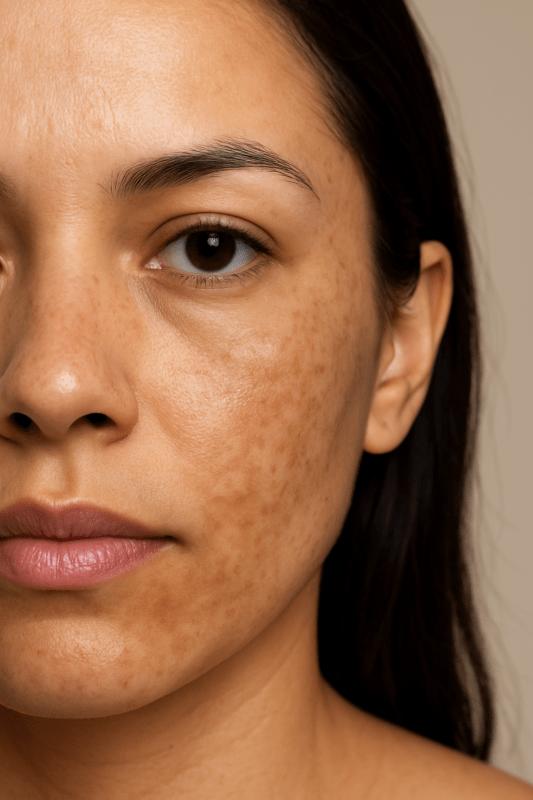
What Causes Pigmentation?
The Pigmentation Correction Injectable is a minimally invasive injectable treatment that uses a combination of high molecular weight hyaluronic acid (HA) and succinic acid (sodium succinate) delivered into the superficial skin layers to address hyperpigmentation, dark circles, and overall skin quality. The treatment is based on the principle of redermalization — a process by which the combined action of these two naturally occurring molecules works to improve the skin’s internal environment, support its repair mechanisms, and progressively reduce the formation and accumulation of melanin.
Unlike injectable fillers that add structural volume to the face, the Pigmentation Correction Injectable works at the cellular and microenvironment level — the succinic acid component directly inhibits the enzyme tyrosinase (a key enzyme in the melanin production pathway), while the hyaluronic acid component restores the skin’s hydration, structural protein environment, and anti-inflammatory balance. Together they address both the existing pigment and the biological processes that drive its continued production.
At EHA Clinic, this treatment is performed by our medical doctors and is customised based on the individual’s skin condition, pigmentation type, and areas of concern. Suitability is assessed at consultation.

Treatment at a glance

Procedure Type
Minimally invasive injectable treatment. A combination of high molecular weight hyaluronic acid (18 mg/ml) and succinic acid (16 mg/ml) is administered via multiple intradermal microinjections using the papular technique.

Expected Results
Progressive improvement in the appearance of dark circles, hyperpigmented spots, melasma, post-inflammatory pigmentation, and uneven skin tone; improvement in skin hydration, texture, and overall quality. Results vary with individuals.

DOWNTIME

Treatment Areas
Periorbital area (dark circles), face, neck, décolletage, and hands

Procedure Time
Approximately 30–60 minutes including numbing cream application
What is the Pigmentation Correction Injectable?
The Pigmentation Correction Injectable uses a Redermalization formulation — a term describing the process of restoring and restructuring the skin’s extracellular matrix (ECM) from within, using intradermal injection of specific active molecules rather than surface-level treatments.
The two active ingredients are naturally occurring compounds found in connective and epithelial tissues:
Succinic Acid (Sodium Succinate)
Succinic acid is a naturally occurring metabolic intermediate found in all living cells. When injected into the skin, it contributes to the treatment’s pigmentation-correcting effect through multiple complementary mechanisms (detailed below). It also helps to normalise microcirculation and lymphatic drainage — a mechanism particularly relevant in the periorbital area where vascular stasis and poor circulation contribute to the appearance of dark circles.
Hyaluronic Acid (HA)
— High Molecular Weight
High molecular weight hyaluronic acid is selected because its larger chain structure produces a more sustained effect on skin quality compared to lower molecular weight preparations. In the skin, it restores water balance, supports the synthesis of structural proteins (collagen, elastin), provides mechanical support to the dermal tissue matrix, and activates anti-inflammatory mediators — creating a healthier internal environment that supports the skin’s repair processes.
Why combine both?
The combination of HA and succinic acid produces a synergistic effect greater than either component alone. The HA provides the hydration and structural support base, while succinic acid’s antioxidant, tyrosinase-inhibiting, and microcirculatory actions directly target the melanin production pathway and the vascular component of dark circles. The two components support each other’s mechanisms and together improve the skin’s overall quality and pigmentation over the course of the treatment series.
How Does the Pigmentation Correction Injectable Work?
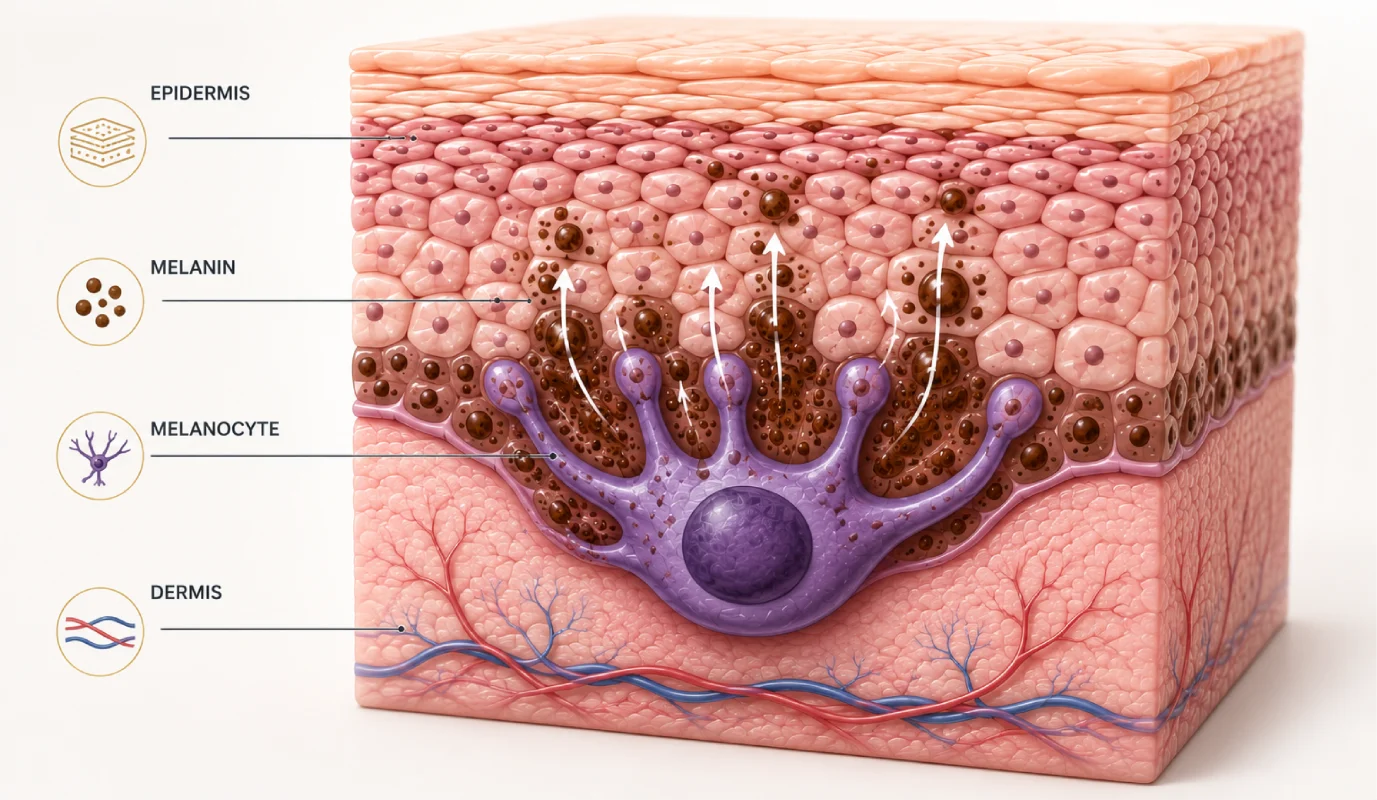
The Role of Tyrosinase in Melanin Production
Melanin — the pigment responsible for the colour of skin and the appearance of hyperpigmented spots — is synthesised by melanocyte cells in the skin through a multi-step enzymatic process. The enzyme tyrosinase is the primary rate-limiting enzyme in this pathway: it catalyses the first step of converting tyrosine to DOPA and then DOPA to dopaquinone, from which melanin is ultimately produced. Inhibiting tyrosinase activity reduces the rate of new melanin synthesis.
How Succinic Acid Inhibits Melanin Production
1. Macrophage activation → phagocytosis of existing melanin:
Succinic acid activates macrophages (immune cells) in the dermis, stimulating them to phagocytose (engulf and clear) existing melanin deposits already present in the skin tissue
2. Inhibition of tyrosinase glycosylation:
Succinic acid interferes with the glycosylation of tyrosinase — a post-translational modification the enzyme requires to become active. By disrupting this step, succinic acid prevents tyrosinase from reaching its functional form, reducing new melanin synthesis before it can begin.
3. Direct tyrosinase blockade via copper binding:
Succinic acid has a particular binding affinity for copper ions. Copper is the active site co-factor of tyrosinase — the enzyme requires copper to function. By binding to and sequestering copper at the active site, succinic acid directly blocks the enzyme’s activity
4. Antioxidant inhibition of tyrosinase oxidising action:
Succinic acid’s antioxidant properties inhibit the oxidising action of tyrosinase, further reducing its ability to catalyse the melanin-producing reaction
Together, these four mechanisms simultaneously address existing melanin in the dermis and block the biosynthesis of new melanin — making the treatment effective for both clearing existing pigmentation and preventing its reformation.
How Hyaluronic Acid and Succinic Acid Work Together — The Synergistic Effect
| Component | Mechanism | Additional Skin Quality Effect | Effect on Pigmentation |
|---|---|---|---|
|
Succinic acid |
Inhibits tyrosinase via copper binding and antioxidant action; inhibits tyrosinase glycosylation; activates macrophages to clear melanin |
Reduces new melanin synthesis; promotes clearance of existing melanin deposits |
Normalises microcirculation; supports lymphatic drainage; reduces hypoxia |
|
High molecular weight HA |
Restores dermal water balance; supports structural protein synthesis; activates anti-inflammatory mediators |
Produces acetylglucosamine (HA metabolite) that inhibits tyrosinase glycosylation |
Improves skin hydration, elasticity, and ECM architecture; longer-lasting effect than low MW HA |
|
Combined effect |
Four-pathway tyrosinase inhibition + HA structural support + improved microcirculation |
Synergistic reduction of both existing and new melanin |
Comprehensive improvement in skin quality, hydration, and tissue oxygenation |
The Vascular Component of Dark Circles
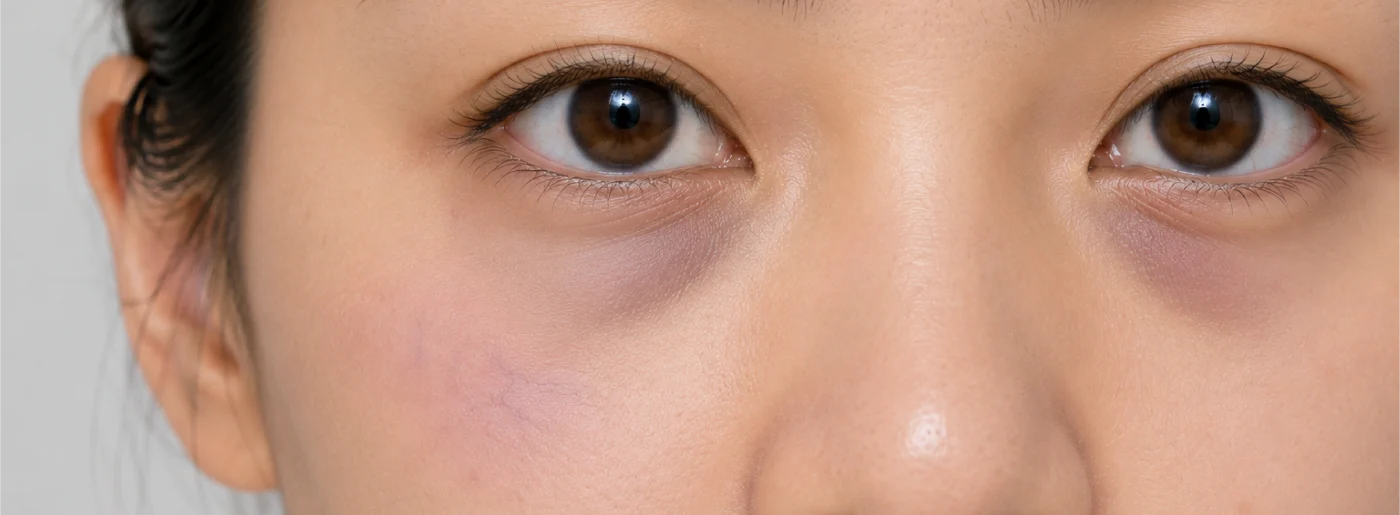
Dark circles in the periorbital area have two primary causes: melanin deposition (pigmented dark circles) and vascular congestion (vascular dark circles — a blue-purple tint from blood pooling in the thin-skinned periorbital tissue). The succinic acid component of the Pigmentation Correction Injectable specifically addresses the vascular component by normalising microcirculation and lymphatic drainage in the treated tissue, reducing the pooling effect that contributes to dark circle appearance in susceptible patients.
What Types of Pigmentation Can This Treatment Address?
The Pigmentation Correction Injectable may be used to address the following hyperpigmentation conditions:
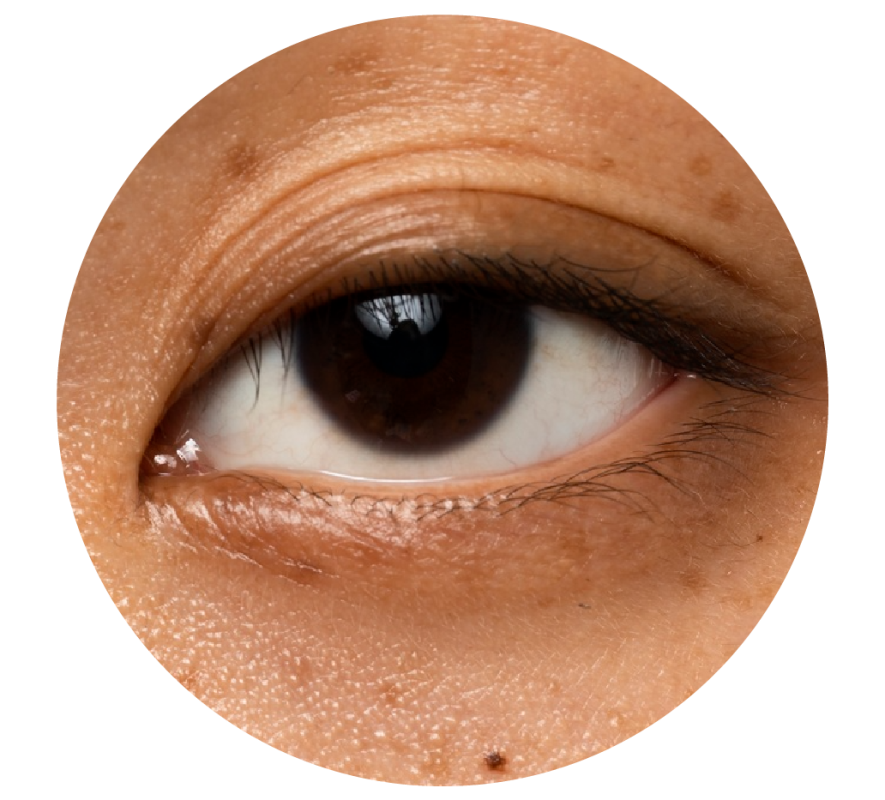
DARK CIRCLES (PERIORBITAL HYPERPIGMENTATION)
Both the melanin-driven and vascular-driven components of dark circles may be addressed — the tyrosinase-inhibiting action targets melanin deposition in the periorbital skin, and the succinic acid’s microcirculatory effect targets the vascular congestion component.
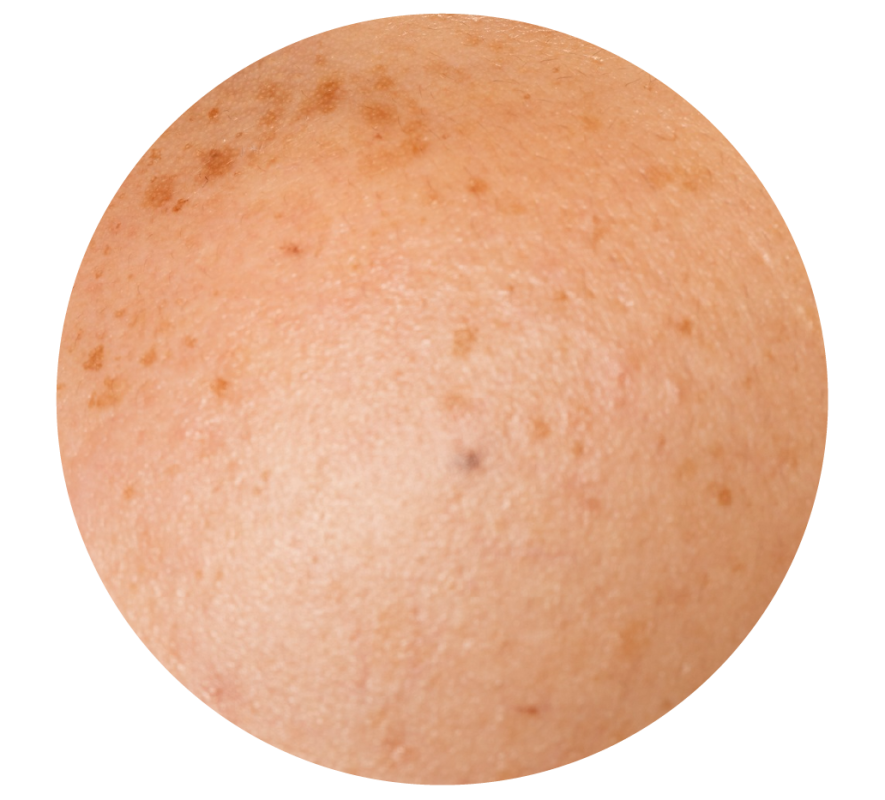
MELASMA
Melasma (triggered by sun exposure, hormonal factors, or oral contraceptives) involves chronic overactivation of melanocytes. The four-pathway tyrosinase inhibition mechanism of the Pigmentation Correction Injectable directly addresses the melanin production pathway that drives melasma. As with all melasma treatments, ongoing sun protection and maintenance are essential as the condition is prone to recurrence.
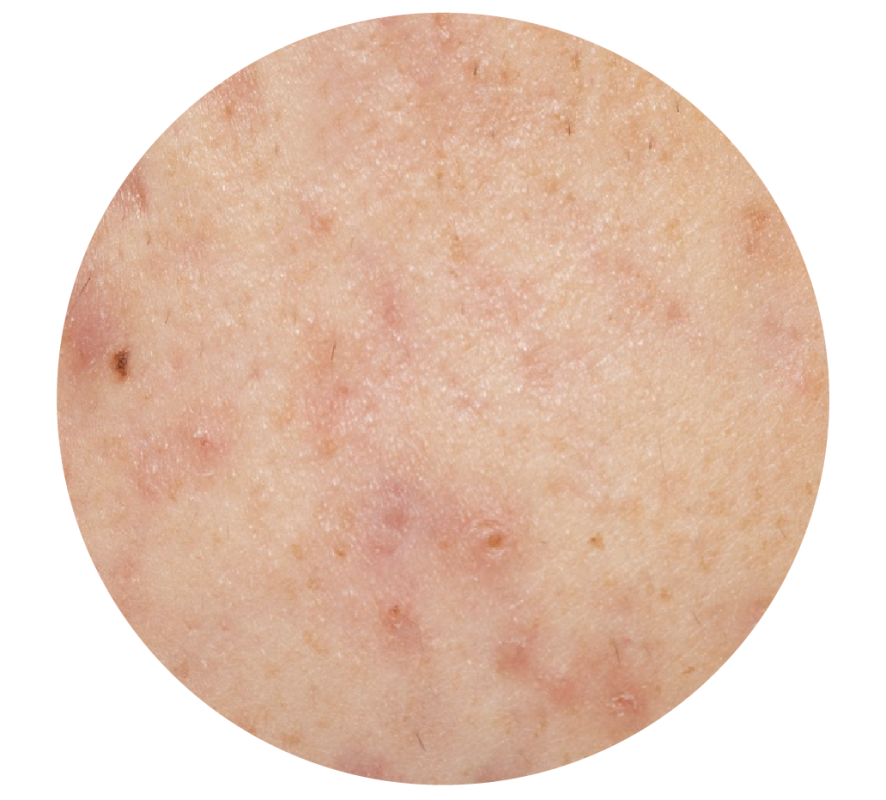
POST-INFLAMMATORY HYPERPIGMENTATION (PIH)
PIH — the dark macules or patches that develop at previous sites of skin inflammation (including acne lesions, eczema flares, or post-procedure pigmentation) — is driven by both residual melanin deposits and ongoing low-grade inflammatory activity. The macrophage-mediated phagocytosis of existing melanin and the anti-inflammatory properties of the HA component both contribute to addressing PIH.
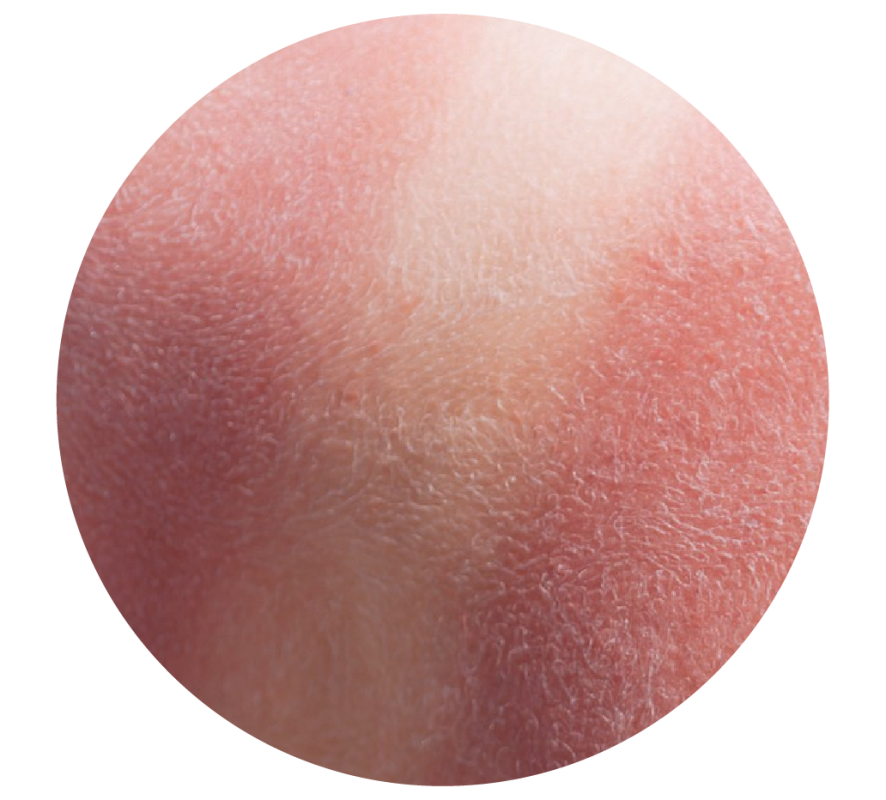
SOLAR LENTIGINES (SUN SPOTS / AGE SPOTS)
Sun-induced melanin deposits in the face, hands, forearms, and chest may be progressively addressed over the treatment series through the tyrosinase-inhibiting and melanin-clearing mechanisms.
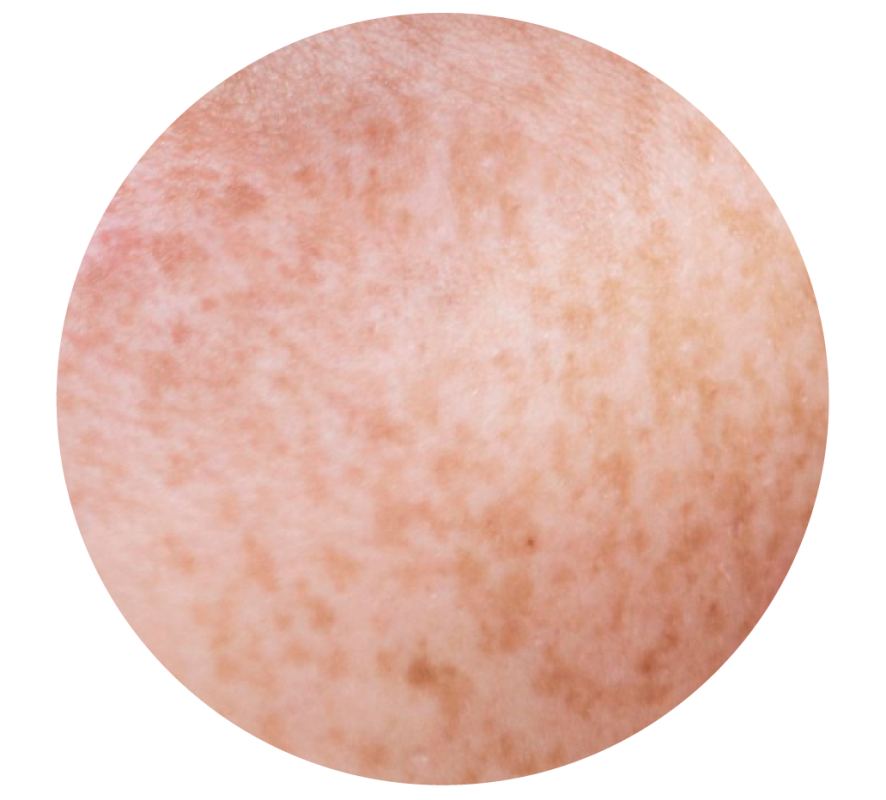
EPHELIDES (FRECKLES)
Freckles driven by sun exposure in susceptible individuals may be addressed in the same manner as solar lentigines.
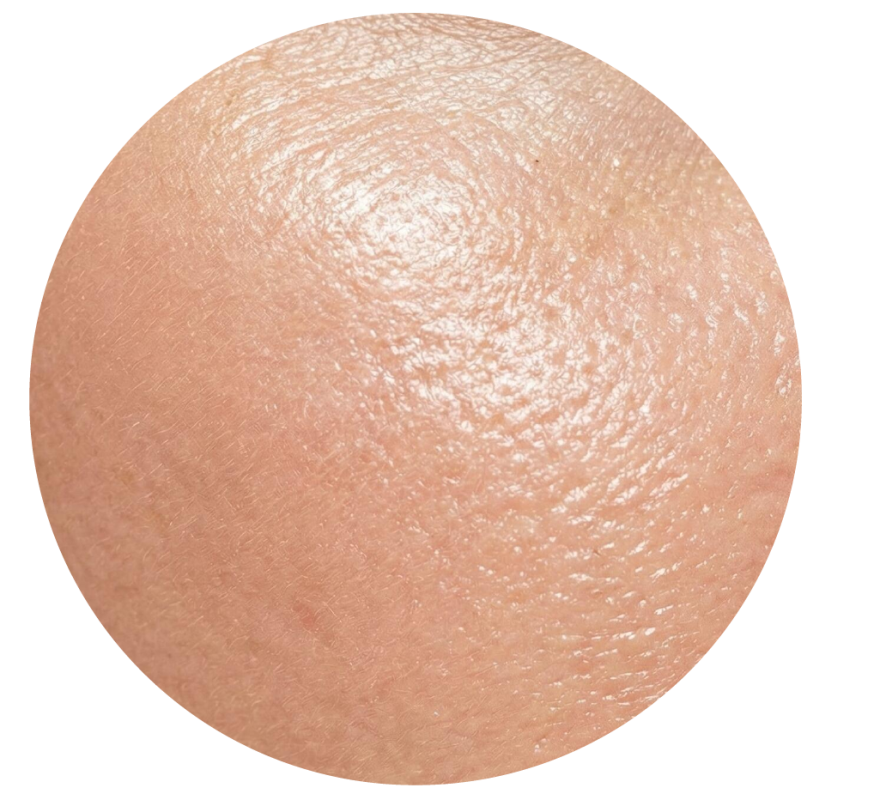
OVERALL SKIN TONE AND SKIN QUALITY
Beyond targeted pigmentation correction, the HA component restores skin hydration, structural protein synthesis, and the intercellular ECM architecture — improving overall skin quality, texture, and radiance over the course of the treatment series.

Step-by-step Treatment Process
1. Consultation
The doctor assesses the patient’s skin condition, the type and distribution of pigmentation present, Fitzpatrick skin type, treatment areas, and medical history. The appropriate treatment protocol and concentration are selected based on the individual’s skin morphotype and the area to be treated. Risks and expected outcomes are explained. Informed consent is obtained before any treatment proceeds.
2. Preparation
The treatment area is thoroughly cleansed. A topical numbing cream is applied and left on for approximately 20–30 minutes to minimise discomfort during the multiple microinjections.
3. Treatment
The doctor delivers the formulation via multiple intradermal microinjections using the papular technique — small boluses injected at a depth of 1–2mm into the dermis, spaced 2–3mm apart across the treatment area. For the periorbital area, approximately 0.5ml is administered per side. For full-face or body area treatment, 1–2ml total is used depending on the extent of the area. The concentration (1.1%, 1.8%, or 2.2%) is selected by the doctor based on the skin morphotype and treatment session number. Multiple small papules will be visible at injection points immediately after the session — this is normal and expected. The injection phase takes approximately 15–30 minutes.
4. Post-treatment
After the session, a soothing serum and sunscreen are applied. Post-treatment care instructions are provided. The injection-site papules typically resolve within 24 hours; mild redness and tenderness settle over 1–2 days.
Treatment Protocol
The standard Pigmentation Correction Injectable protocol consists of three sessions spaced two weeks apart (Day 0, Day 14, Day 28).
The concentration used at each session may be progressively adjusted based on the patient’s skin morphotype and response:
| SESSION | TIMING | Concentration |
|---|---|---|
|
Session 1 |
Day 0 |
1.1% or 1.8% (based on assessment) |
|
Session 2 |
Day 14 |
1.1%–1.8% (with possible step-up) |
|
Session 3 |
Day 28 |
1.8% or 2.2% (based on response) |
The specific concentrations and technique (papular or linear) for each session are determined by the doctor based on the individual’s skin morphotype and the areas being treated.
What Results Can You Expect
Immediately after treatment
Multiple small papules (bumps) at injection points are expected and are a normal result of the superficial placement of the formulation. Mild redness and tenderness at injection sites are common.
24–48 hours
Injection-site papules resolve; redness and tenderness settle.
After session 2 (week 2–4)
Improvement in skin hydration and initial changes in pigmentation may begin to be noticeable. In the published post-marketing observation study, improvements in periorbital hydration and early melanin reduction were measured at the 2-week follow-up after the second session.
After completing the 3-session course (week 5 and beyond)
Progressive improvement in pigmentation, skin tone, and skin quality continues. In the clinical study, melanin levels in the periorbital zone showed progressive decline from baseline to the 5-week follow-up, while hydration levels increased markedly. Improvement in skin elasticity was also observed.
maintenance
After completing the initial course, maintenance sessions may be recommended every 3–6 months to sustain the treatment effect and prevent re-accumulation of melanin. Ongoing strict sun protection is essential, particularly for conditions prone to recurrence such as melasma.
Results vary between individuals. The degree and timeline of improvement depends on the pigmentation type and severity, the areas treated, the number of sessions completed, individual biological response, and adherence to sun protection and post-treatment care. Results cannot be guaranteed.
Side Effects and Safety
Common, expected side effects
- Multiple small papules (bumps) at injection points immediately after treatment — normal and expected; resolve within 24 hours
- Redness and mild swelling at the treated area (typically resolves within 24–48 hours)
- Tenderness at injection sites
- Bruising (mild; risk varies with area and technique — the periorbital area carries a higher bruising risk than other facial zones)
Less common side effects
- Prolonged redness or swelling beyond 48 hours
- Post-inflammatory hyperpigmentation at injection sites (uncommon; risk is slightly higher in darker Fitzpatrick skin types)
- Nodule formation at injection site (rare; may occur if product placement is inconsistent)
Rare side effects
- Allergic or hypersensitivity reaction to the HA or succinic acid components (rare; both are naturally occurring molecules)
- Infection at injection site (very rare; managed with antibiotics if it occurs)
- Vascular complications — particular care is taken with the periorbital area, which has dense vasculature; the injections are placed intradermally (not subdermally) to minimise vascular risk
At EHA Clinic, Pigmentation Correction Injectable treatments are performed only by trained medical doctors. Full details of potential side effects and risks are discussed at consultation, and informed consent is obtained before treatment proceeds.
Who May Be Suitable for the Pigmentation Correction Injectable?
Suitable candidates:
- Adults with hyperpigmentation concerns including dark circles, melasma, post-inflammatory pigmentation, sun spots, or freckles
- Individuals with periorbital dark circles with a melanin-driven or vascular-driven component, or both
- Those seeking a non-laser injectable option for pigmentation correction — particularly suitable for patients who have not responded adequately to topical treatments alone
- All Fitzpatrick skin types — the tyrosinase-inhibiting mechanism is not dependent on skin pigmentation, and the intradermal injection approach avoids the surface disruption associated with laser treatments
- Patients seeking concurrent improvement in skin hydration and quality alongside pigmentation correction
- Those willing to complete the 3-session course and maintain strict sun protection throughout and after the treatment series
The Pigmentation Correction Injectable may NOT be suitable for individuals with:
- Active skin infections, open wounds, or inflamed skin in the treatment area
- Active cold sores or herpes simplex lesions in or near the treatment area
- Pregnancy or breastfeeding
- Known hypersensitivity to hyaluronic acid or any component of the formulation
- Autoimmune conditions or active inflammatory skin disease (assessed individually)
- Unrealistic expectations — this is a progressive treatment; visible improvement builds over the 3-session course and the weeks following
Suitability is assessed at consultation. The doctor will review medical history, skin condition, pigmentation type, and current medications before recommending a treatment plan.
Pigmentation Correction Injectable vs. Other Pigmentation Treatments
Pigmentation Correction Injectable
MECHANISM
Intradermal HA + succinic acid — inhibits tyrosinase, clears existing melanin via macrophage activation, and improves microcirculation.
ADDRESSES VASCULAR DARK CIRCLES
Yes — succinic acid normalises periorbital microcirculation.
SUITABLE FOR PERIORBITAL DARK CIRCLES
Yes — specific clinical protocol.
SUITABLE FOR DARKER SKIN TYPES
Yes — mechanism is not colour-dependent.
INVASIVENESS
Minimally invasive (needle injection).
DOWNTIME
Minimal (1–2 days).
SESSIONS
3 sessions over 4 weeks.
ADDRESSES SKIN QUALITY ALONGSIDE PIGMENTATION
Yes — HA component improves hydration, extracellular matrix (ECM), and skin elasticity.
Multifrax Digital Peel Laser (1927 nm)
MECHANISM
Non-ablative fractional laser that promotes epidermal turnover and photothermal disruption of melanin.
ADDRESSES VASCULAR DARK CIRCLES
No.
SUITABLE FOR PERIORBITAL DARK CIRCLES
Not typically recommended due to thin periorbital skin; use with caution.
SUITABLE FOR DARKER SKIN TYPES
Yes — at appropriate treatment settings.
INVASIVENESS
Non-invasive.
DOWNTIME
Approximately 2–5 days.
SESSIONS
3–5 sessions.
ADDRESSES SKIN QUALITY ALONGSIDE PIGMENTATION
Yes — 1927 nm wavelength improves skin texture and overall skin tone.
PICO Laser
MECHANISM
Picosecond laser pulses create photoacoustic disruption of melanin clusters with minimal thermal damage.
ADDRESSES VASCULAR DARK CIRCLES
No.
SUITABLE FOR PERIORBITAL DARK CIRCLES
Some protocols exist, but treatment should be performed with caution.
SUITABLE FOR DARKER SKIN TYPES
Varies by wavelength and treatment parameters.
INVASIVENESS
Non-invasive.
DOWNTIME
Approximately 1–3 days.
SESSIONS
3–6 sessions.
ADDRESSES SKIN QUALITY ALONGSIDE PIGMENTATION
Primarily targets pigmentation, with limited effects on overall skin quality.
Topical Treatments (e.g. hydroquinone, retinoids)
MECHANISM
Surface delivery of melanin-inhibiting agents or cell-turnover actives to reduce pigmentation.
ADDRESSES VASCULAR DARK CIRCLES
No.
SUITABLE FOR PERIORBITAL DARK CIRCLES
Eye-area topical formulations only.
SUITABLE FOR DARKER SKIN TYPES
Yes.
INVASIVENESS
Non-invasive.
DOWNTIME
None.
SESSIONS
Daily application; visible results typically require several months.
ADDRESSES SKIN QUALITY ALONGSIDE PIGMENTATION
Depends on the formulation.
Frequently Asked Questions (FAQs)
What is the Pigmentation Correction Injectable?
The Pigmentation Correction Injectable is a minimally invasive injectable treatment that uses a combination of high molecular weight hyaluronic acid and succinic acid delivered intradermally to address hyperpigmentation, dark circles, and skin quality. The succinic acid component inhibits tyrosinase — the key enzyme in melanin production — through four complementary pathways, while the hyaluronic acid restores the skin’s internal hydration and structural environment. Together they address both existing pigment and the biological processes driving its continued production.
What is redermalization?
Redermalization is the process of restoring and restructuring the skin’s extracellular matrix from within, using intradermal injection of specific biologically active molecules. Unlike surface-level treatments that address the skin from the outside in, redermalization delivers active ingredients directly into the dermis where melanin deposits exist and where the skin’s repair cells are located. The term describes the combined action of HA and succinic acid on the skin’s internal microenvironment.
How does this treat dark circles?
Dark circles have two primary causes: melanin deposits in the periorbital skin (pigmented dark circles) and vascular congestion causing a blue-purple appearance through the thin skin around the eye (vascular dark circles). The Pigmentation Correction Injectable addresses both: the succinic acid component inhibits melanin production and supports macrophage clearance of existing melanin deposits, while its microcirculatory effect — normalising blood and lymphatic flow — directly addresses the vascular component. A post-marketing clinical study in 30 patients over three sessions in the periorbital area showed progressive decline in melanin levels and improvement in skin hydration.
What types of pigmentation can this treat?
The treatment may address dark circles, melasma, post-inflammatory hyperpigmentation (PIH), solar lentigines (sun/age spots), and ephelides (freckles). The tyrosinase-inhibiting mechanism is relevant for all forms of melanin-driven hyperpigmentation.
Is this a filler?
No. The Pigmentation Correction Injectable is not a filler. It does not add structural volume to the face or change facial contours. The hyaluronic acid used is non-cross-linked and of a concentration and molecular weight designed for skin quality improvement and tyrosinase inhibition — not for structural volume replacement.
How many sessions do I need?
The standard protocol is 3 sessions spaced 2 weeks apart (Day 0, Day 14, Day 28). This is followed by a maintenance plan advised by the doctor based on individual response and the skin condition being treated.
When will I see results?
In the published clinical observation study, measurable improvements in both melanin levels and skin hydration were detected after the second session (2-week follow-up) and continued to improve through the 5-week follow-up after the third session. Visible improvement in pigmentation and skin quality builds progressively over the treatment course.
Is there downtime?
Minimal. Small papules (bumps) at injection sites are expected immediately after treatment and typically resolve within 24 hours. Mild redness and tenderness may persist for 1–2 days. Most patients resume daily activities promptly.
Is this suitable for darker skin types?
Yes. The mechanism of the Pigmentation Correction Injectable — inhibiting tyrosinase through biological pathways — is not dependent on skin colour or melanin content. It does not disrupt the skin surface, removing the risk of post-inflammatory pigmentation associated with some laser treatments. It is appropriate for all Fitzpatrick skin types, including those for whom high-energy laser treatments carry elevated risk.
Can this be combined with other treatments?
The Pigmentation Correction Injectable may be used alongside other skin quality and pigmentation treatments, including the Multifrax Digital Peel Laser (which can be sequenced before or after the injectable series to address pigmentation from both an energy-based and injectable approach). The combination approach, sequencing, and timing will be discussed with your doctor at consultation.
Do I need to do anything special after treatment?
Strict, consistent sun protection is the most critical post-treatment instruction — particularly for conditions like melasma, which are driven by UV exposure. SPF 30 or higher must be applied daily from the day of treatment. Avoiding direct sun exposure, using gentle skincare, and following the full 3-session protocol are all important for achieving and maintaining the treatment outcome.
Who performs this treatment at EHA Clinic?
All Pigmentation Correction Injectable treatments are performed only by registered medical doctors at EHA Clinic, in accordance with the SMC Guidelines on Aesthetic Practices for Doctors and Singapore’s Healthcare Services Act (HCSA) regulatory framework.
Can you show before-and-after photos or guarantee results?
In accordance with Singapore’s MOH/HCSA advertising regulations, before-and-after photos are not displayed in public advertising materials. Example images may be viewed in-clinic during consultation for educational purposes, with appropriate clinical context. Results cannot be guaranteed; individual outcomes vary.
Post-treatment care
- The small papules (bumps) at injection points are expected and will resolve within 24 hours — do not massage, press, or attempt to smooth the treated area
- Apply broad-spectrum sunscreen (SPF 30 or higher) from the day of treatment onwards — this is critical for pigmentation correction outcomes and for protecting the treated skin
- Avoid all direct sun exposure for at least 2 weeks after each session
- Use gentle, fragrance-free cleanser and moisturiser only; avoid active topical ingredients (retinoids, AHAs/BHAs, kojic acid, vitamin C) for at least 3–5 days or as directed by the doctor
- Avoid strenuous exercise, saunas, steam rooms, and alcohol for 24–48 hours post-treatment
- Do not apply makeup over the treatment area for at least 6–12 hours or until the papules have fully resolved
- Attend each of the 3 sessions in the initial course at the correct 2-week intervals — the progressive concentration step-up protocol is designed to work as a course, not as individual standalone sessions
- Contact the clinic if you experience prolonged swelling, unusual pain, or any symptoms that concern you
Book a Consultation
The Pigmentation Correction Injectable is suitable for adults of all ages, genders, and skin types who are seeking a minimally invasive injectable approach to address hyperpigmentation, dark circles, and overall skin quality.
Alternatively, reach out to us for a non-obligatory consultation
Meet your EHA Clinic Doctor

Dr. Elias Tam, the Doctor Trainer
Dr. Elias Tam, with over 30 years in medicine, leads EHA Clinic, focusing on advancing technical standards in aesthetic medicine. He holds the position of Clinical Lecturer at University College London. Throughout his many years as an aesthetic doctor, Dr. Tam has held multiple hands-on training sessions and seminars, sharing his vast knowledge and expertise with aspiring doctors in the field.
Under his guidance, EHA Clinic offers a safe and comprehensive range of aesthetic treatments for the face, body, and hair; including clinically established treatments such as hair transplants, non-surgical face-lifting, body sculpting, fillers and other injectable treatments.