
Thread Lift Singapore
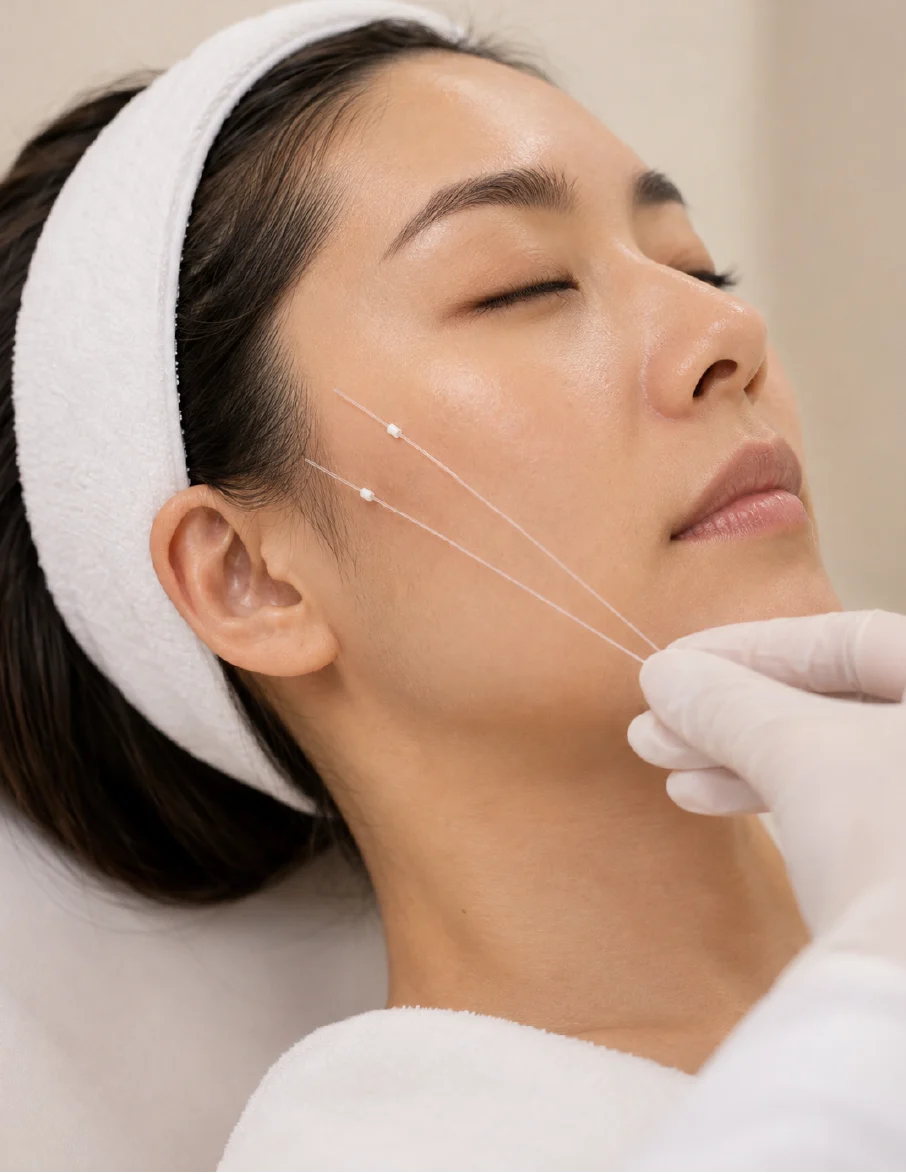
Thread lift is a minimally invasive procedure that uses fine, absorbable threads inserted beneath the skin to mechanically reposition sagging facial tissue and stimulate the skin’s own collagen production. The threads are typically made from polydioxanone (PDO), poly-L-lactic acid (PLLA), or polycaprolactone (PCL), biocompatible materials that the body gradually absorbs over months, during which the surrounding tissue responds by producing new collagen.
The procedure provides two distinct effects: an immediate, mechanical repositioning of loose tissue at the time of insertion, and a slower, biological collagen-stimulation effect that continues as the threads are absorbed. It is generally used for mild to moderate skin laxity in areas such as the cheeks, jawline, neck, and brow, and does not involve the incisions or tissue removal associated with a surgical facelift.
At EHA Clinic, thread lift treatments are performed by our medical doctors and are customised based on the individual’s skin condition, degree of laxity, and treatment goals. Suitability is assessed at consultation.
Thread Lift Singapore
Nose Thread Lift vs Nose Fillers
Thread lift is a minimally invasive procedure that uses fine, absorbable threads inserted beneath the skin to mechanically reposition sagging facial tissue and stimulate the skin’s own collagen production. The threads are typically made from polydioxanone (PDO), poly-L-lactic acid (PLLA), or polycaprolactone (PCL), biocompatible materials that the body gradually absorbs over months, during which the surrounding tissue responds by producing new collagen.
The procedure provides two distinct effects: an immediate, mechanical repositioning of loose tissue at the time of insertion, and a slower, biological collagen-stimulation effect that continues as the threads are absorbed. It is generally used for mild to moderate skin laxity in areas such as the cheeks, jawline, neck, and brow, and does not involve the incisions or tissue removal associated with a surgical facelift.
At EHA Clinic, thread lift treatments are performed by our medical doctors and are customised based on the individual’s skin condition, degree of laxity, and treatment goals. Suitability is assessed at consultation.
Treatment at a Glance

Procedure type
Minimally invasive. Fine absorbable threads (PDO, PLLA, or PCL) are inserted beneath the skin using a needle or cannula, without incisions.

Expected Results
Immediate mechanical repositioning of sagging tissue at the time of treatment, followed by progressive skin firmness and collagen stimulation as the threads are absorbed over the following months. Results vary with individuals.

Downtime

Treatment Areas
Eyebrows, undereyes, cheeks, crow’s feet, nasojugal folds, nasolabial folds, perioral wrinkles, neck, jowls, jawline, and nose; also used on body areas including abdomen, arms, buttocks, shoulders, knees, and calves

Procedure Time
30–60 minutes
What is a Thread Lift?
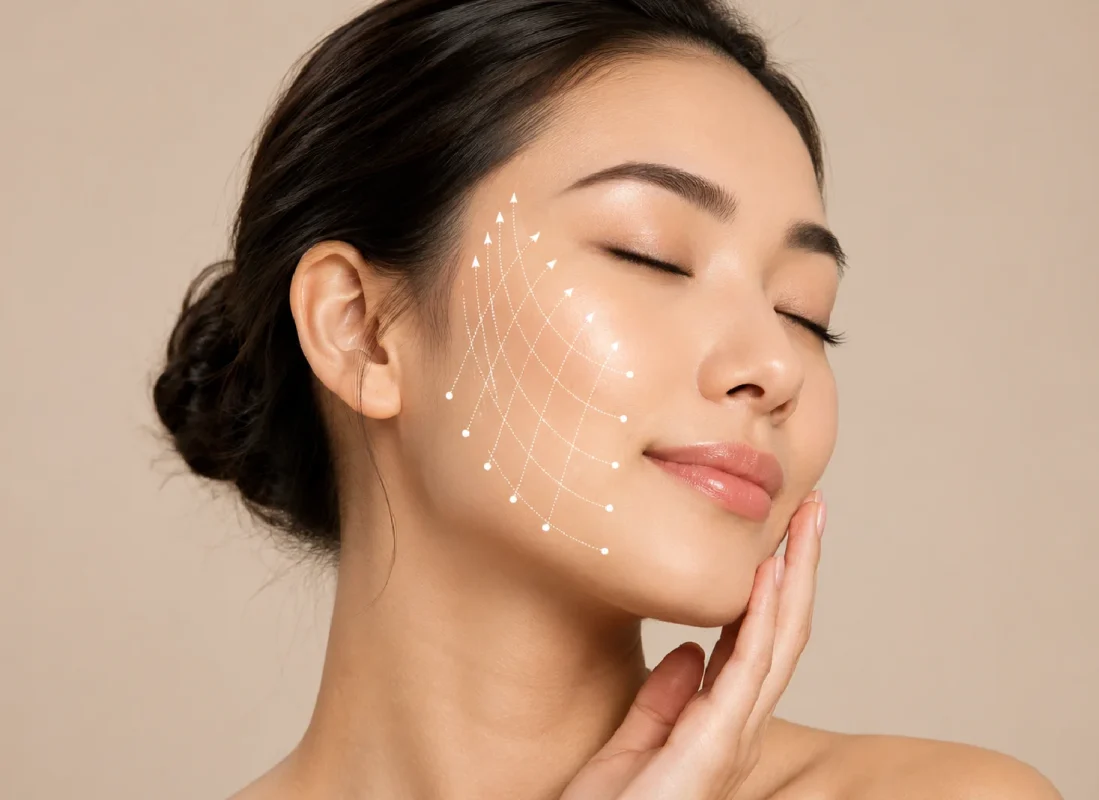
A thread lift uses fine surgical threads placed beneath the skin through a needle or cannula, without any incisions. The threads used at EHA Clinic are absorbable, meaning they are gradually broken down and metabolised by the body over a period of months, unlike the original permanent (non-absorbable) threads used in earlier generations of the procedure.
Thread Materials
| Material | Full Name | Approximate Absorption Time | Characteristics |
|---|---|---|---|
|
PDO |
Polydioxanone |
6–8 months |
The most established thread material in clinical use; stimulates collagen production as it is absorbed |
|
PLLA |
Poly-L-Lactic Acid |
12–18 months |
Produces a more sustained collagen stimulation response; slightly stiffer, providing firmer structural support |
|
PCL |
Polycaprolactone |
Up to 18–24 months |
Longest-lasting of the three materials; associated with a more prolonged collagen stimulation effect |
How threads hold tissue in place
Most threads used today have small barbs, cones, or a coned/molded surface texture along their length. These features grip the surrounding tissue when the thread is pulled taut, allowing the doctor to reposition sagging tissue and hold it in a lifted position. Over time, as the thread material breaks down, the newly formed collagen around the thread’s original path continues to provide some structural support even after the thread itself has been absorbed.
Two distinct mechanisms of effect:
- Immediate mechanical lift: At the time of treatment, tissue is physically repositioned and held by the inserted threads, producing a visible improvement immediately after the procedure
- Progressive biostimulation: As the thread material is gradually absorbed, the body’s wound-healing response generates new collagen fibres around the treated area, contributing to skin firmness that can continue to develop over the following months
What Can a Thread Lift Address?
BROWS
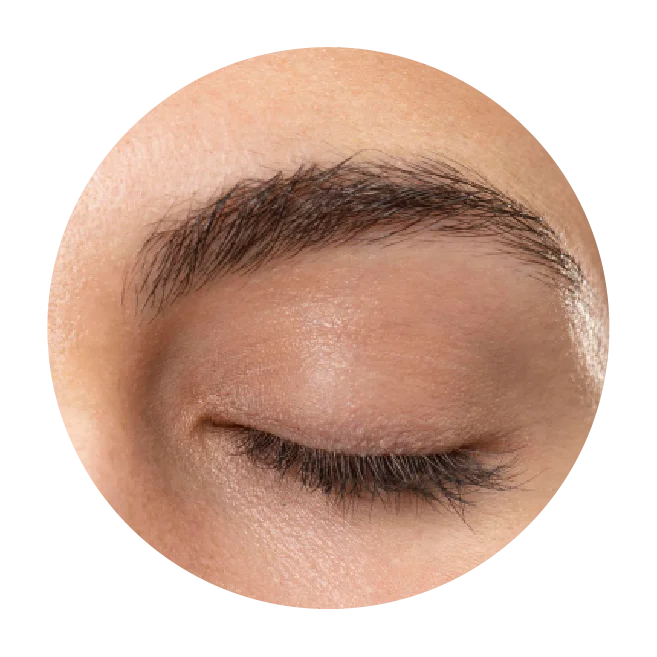
Threads placed in the temple and brow region can lift and support a sagging or heavy brow, addressing hooding of the upper eyelid area that develops with age.

CHEEKS AND MIDFACE
Threads placed through the midface can reposition descended cheek tissue and provide support to the malar (cheekbone) area, improving overall facial contour.
JAWLINE AND JOWLS
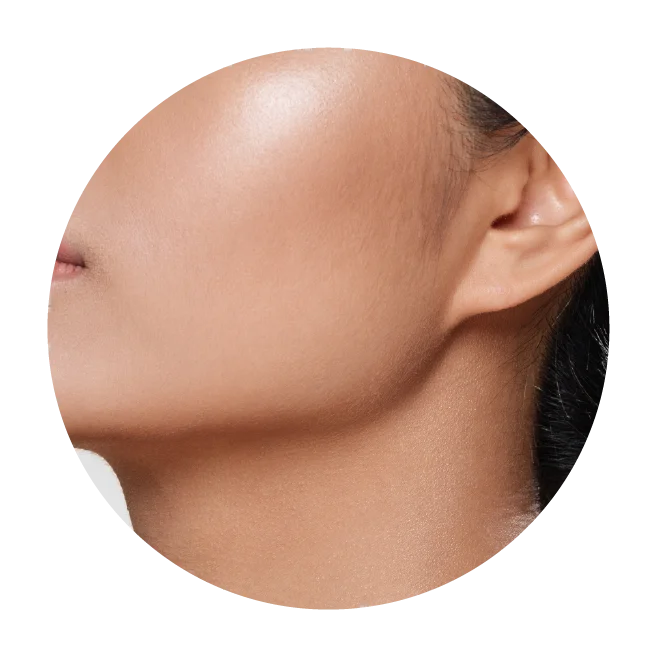
Threads placed along the lower face and jawline can reduce the appearance of jowls and provide a more defined jawline contour in cases of mild to moderate laxity.
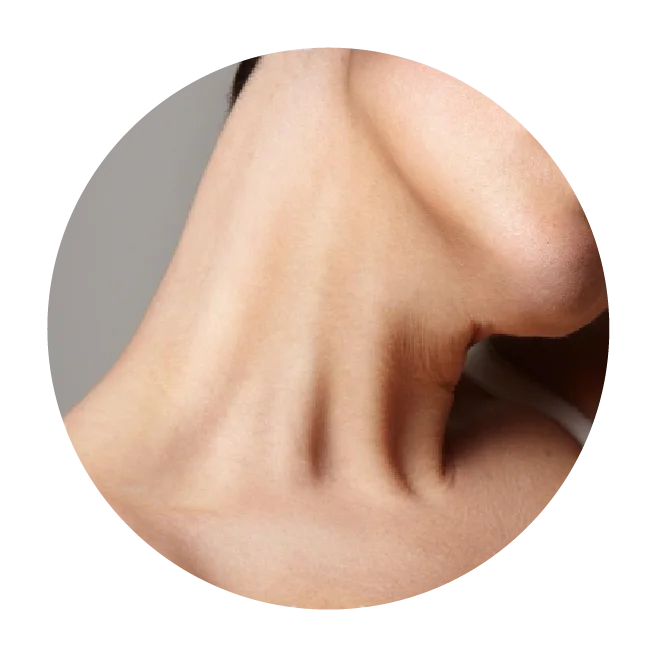
NECK
Threads may be used to address mild laxity of the neck skin, though the neck is an area where results are typically more limited than facial areas due to the thinner skin and greater mechanical load.
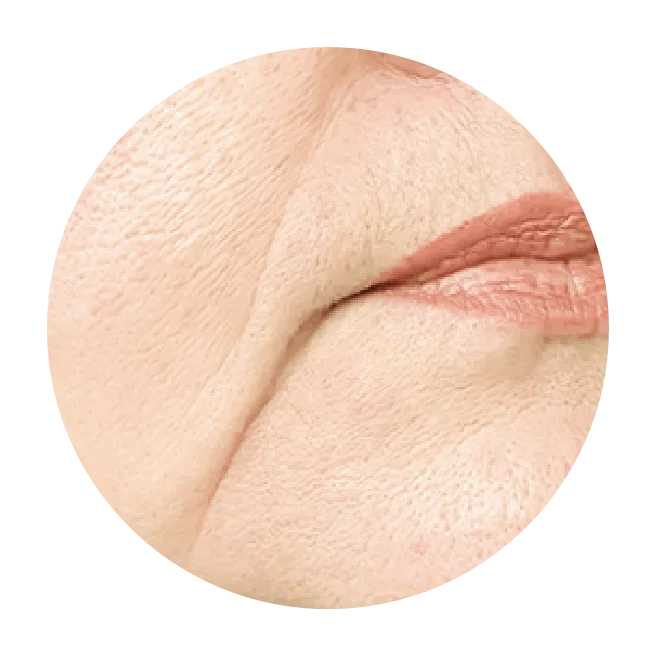
NASOLABIAL FOLDS AND MARIONETTE LINES
Threads placed around the nasolabial folds and the corners of the mouth can soften the appearance of these lines by supporting the surrounding tissue.
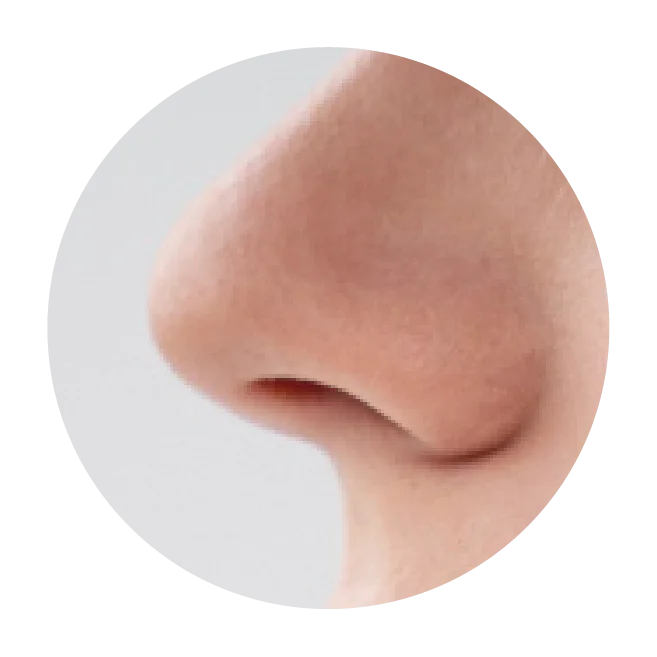
NOSE
Threads placed along the nasal bridge and tip can be used to alter the visual contour of the nose, a technique sometimes referred to as a nose thread lift. The threads act as internal scaffolding beneath the skin. As PDO threads absorb over time, the localised collagen response contributes to some retention of the contour change, though results are not equivalent to structural surgical rhinoplasty.
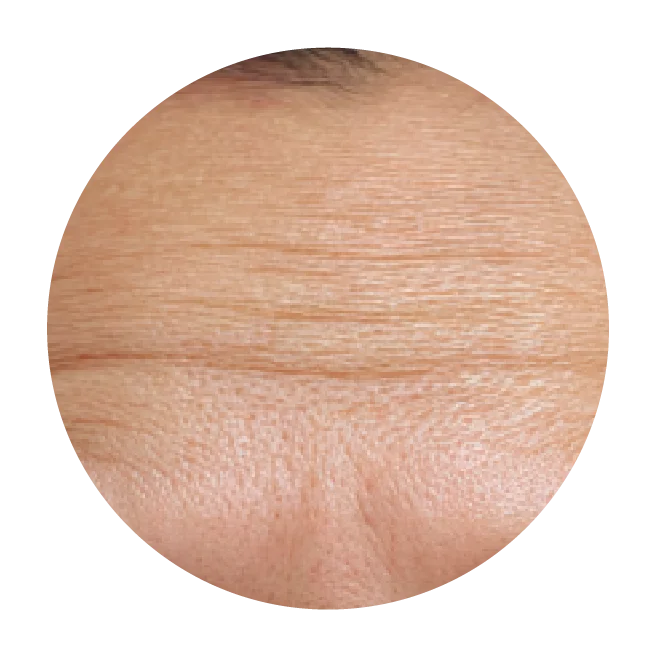
FINE LINES, WRINKLES, AND SKIN LAXITY
Beyond the mechanical lifting effect, the collagen stimulation produced as threads are absorbed may contribute to a general improvement in skin firmness and the appearance of fine lines in the treated area.
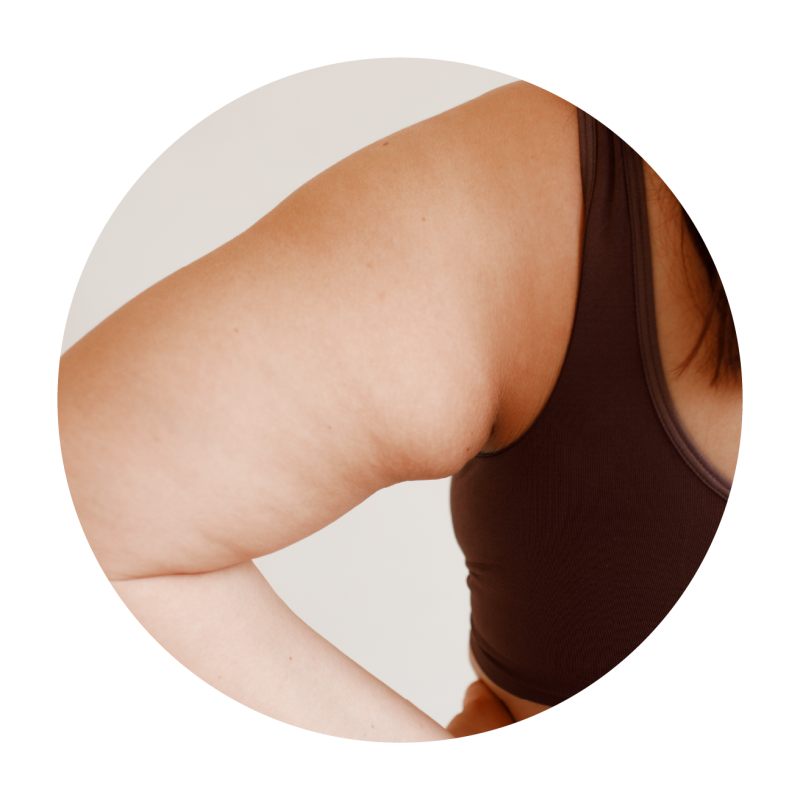
BODY AREAS
Threads can also be used on body areas including the abdomen, buttocks, shoulders, knees, calves, and arms for tissue support and skin firmness, though this is a less common application than facial treatment.

Step-by-step Treatment Process
1. Consultation
The doctor assesses the patient’s degree of skin laxity, facial anatomy, treatment goals, and medical history. The appropriate thread material, number of threads, and insertion pattern are planned. Realistic expectations regarding the degree and duration of lift achievable are discussed, including the important distinction between what a thread lift can achieve versus a surgical facelift. Informed consent is obtained before any treatment proceeds.
2. Preparation
The treatment area is thoroughly cleansed. A topical numbing cream is applied, followed by local anaesthetic injection at the planned insertion points.
3. Thread Insertion
Threads are inserted beneath the skin using a fine needle or cannula under aseptic technique, without any incisions. The threads are guided along the planned path and anchored using their barbed or coned surface. The doctor applies pressure to compress and reshape the tissue at each thread’s path to achieve the intended lifting effect. Treatment typically takes 30–60 minutes depending on the number of areas and threads used.
4. Post-Treatment
Immediately after treatment, mild swelling, redness, soreness, and bruising at the insertion points are expected. These effects are generally most noticeable in the first 24–48 hours and settle progressively over the following days.
What Results Can You Expect
Immediately after treatment
The mechanical repositioning of tissue produces a visible lifting effect at the time of the procedure. Small bumps, bruising, mild swelling, and redness at insertion points are expected and normal.
First 1–2 weeks
Swelling and bruising resolve. Any initial tissue tightness or minor asymmetry as swelling settles typically improves during this period.
2–3 months
As the threads are gradually absorbed, the collagen stimulation response becomes more apparent, contributing to progressive improvement in skin firmness in the treated area, in addition to the initial mechanical lift.
Longevity
Thread lift results are not permanent. Most published clinical evidence indicates that visible improvement typically lasts approximately 12–24 months, depending on the thread material used, the area treated, and individual factors such as age and skin quality. PDO threads are generally associated with results toward the shorter end of this range, while PLLA and PCL threads may be associated with a longer duration of visible effect.
Maintenance
Because thread lift results are temporary, repeat treatment is generally recommended to sustain the effect. Some patients undergo repeat sessions annually or every 12–24 months as part of an ongoing maintenance plan.
Results vary between individuals and depend on the degree of skin laxity being treated, the thread material and technique used, skin quality, and lifestyle factors. Results cannot be guaranteed. A thread lift produces a subtler and shorter-lasting effect than a surgical facelift, a distinction discussed further below.
Side Effects and Risks
Common, expected side effects
- Swelling at treated and insertion areas: the most frequently reported effect in published studies
- Bruising (ecchymosis): also commonly reported across pooled clinical data
- Tenderness or soreness at insertion points
- Mild redness
Less common side effects
- Skin dimpling or surface irregularity at thread insertion points: usually resolves spontaneously within days but occasionally persists longer and may require correction
- Visible or palpable threads beneath the skin
- Temporary numbness or altered sensation (paresthesia)
- Facial asymmetry as swelling resolves unevenly
Rare side effects
- Thread migration or displacement from the original insertion path
- Infection at insertion sites
- Thread extrusion (thread becoming visible or protruding through the skin)
- Persistent paresthesia suggestive of nerve involvement (rare)
Across pooled clinical data from published studies, absorbable threads are associated with a generally favourable safety profile compared to older non-absorbable thread techniques, with most side effects being mild and self-resolving within one to two weeks. Complication rates and specific risks vary depending on the thread type, technique, and area treated, and are discussed individually at consultation. At EHA Clinic, thread lift treatments are performed only by trained medical doctors, and informed consent is obtained before treatment proceeds.
Who May Be Suitable for a Thread Lift?
Suitable candidates:
- Adults with mild to moderate skin laxity, particularly in the midface, jawline, brow, or neck
- Individuals with an early or moderately undefined jawline contour
- Those with mild sagging of the cheeks or early jowl formation
- Patients with moderate nasolabial folds
- Individuals with early signs of a double chin associated with mild skin laxity
- Those seeking a non-surgical option with minimal downtime as an alternative to, or in preparation before, considering surgery
- Patients with realistic expectations about the subtle, temporary nature of the results compared to surgery
A thread lift may NOT be suitable for individuals with:
- Very loose or sagging skin that needs more correction than a thread lift can physically provide
- Advanced facial lipoatrophy (significant loss of facial fat volume)
- Those expecting immediate, dramatic, or surgical-facelift-equivalent results
- Active skin infections or inflamed skin in the treatment area
- Bleeding disorders or current use of blood-thinning medication (assessed individually)
- Pregnancy or breastfeeding
- Unrealistic expectations about the permanence of results: thread lift outcomes typically last 12–24 months and require repeat treatment to maintain.
Suitability is assessed at consultation. The doctor will review the patient’s medical history, degree of laxity, and expectations before recommending a treatment plan. Patients who may benefit more from a surgical facelift will be advised accordingly.

Frequently Asked Questions (FAQs)
What is a thread lift?
A thread lift is a minimally invasive procedure that uses fine, absorbable threads inserted beneath the skin to mechanically reposition sagging tissue and stimulate the body’s own collagen production. It provides both an immediate lifting effect from the physical repositioning of tissue, and a slower, progressive firming effect as the threads are absorbed and collagen forms around them.
What thread materials are used?
EHA Clinic offers PDO (polydioxanone), PLLA (poly-L-lactic acid), and PCL (polycaprolactone) threads. PDO threads are absorbed over approximately 6–8 months and are the most established of the three materials in clinical use. PLLA threads last longer (approximately 12–18 months) and are associated with a more robust collagen response. PCL threads are the longest-lasting of the three, with absorption occurring over up to 18–24 months.
How long do thread lift results last?
Published clinical evidence generally indicates that visible thread lift results last approximately 12–24 months, though some patients notice the lifting effect beginning to fade within 12–18 months as the threads dissolve. The exact duration depends on the thread material used, the area treated, and individual factors such as skin quality and age. Because results are temporary, repeat treatment is generally recommended to maintain the outcome.
How does a thread lift compare to a surgical facelift?
A thread lift is performed under local anaesthetic without incisions, with downtime typically measured in days rather than weeks. A surgical facelift is a more invasive procedure, typically performed under general or deep sedation, that removes excess skin and repositions deeper tissue layers. A thread lift is generally more appropriate for mild to moderate skin laxity, while a surgical facelift is generally more appropriate for more advanced laxity, structural descent, or excess skin. Results from a thread lift are also more modest and shorter-lasting than those of a surgical facelift.
Is a thread lift painful?
Local anaesthetic is used at the insertion points, so most patients report only mild discomfort during the procedure itself. Some soreness, tenderness, and tightness are common in the days following treatment.
What are the side effects?
The most common side effects are swelling and bruising at the treatment area, occurring in a meaningful proportion of patients based on pooled published data, and typically resolving within one to two weeks. Less common effects include skin dimpling, visible or palpable threads, and temporary numbness. Rare effects include thread migration, infection, and thread extrusion. Your doctor will discuss the specific risk profile for your planned treatment at consultation.
Is a nose thread lift the same as rhinoplasty?
No. A nose thread lift uses absorbable threads (typically PDO) placed beneath the skin of the nose to alter its visible external contour through scaffolding and localised collagen stimulation. It does not involve any alteration of the underlying bone or cartilage structure, unlike surgical rhinoplasty, and the degree of contour change achievable is more limited and temporary.
How many threads are needed?
The number of threads depends on the treatment area, the degree of laxity, and the specific contour goals. This is assessed and planned individually by the doctor at consultation.
Can a thread lift be combined with other treatments?
Thread lifts may be used alongside other treatments such as dermal fillers, HIFU-based skin tightening, or Ligament Lifting, depending on the individual’s concerns and the pattern of ageing being addressed. The combination approach and sequencing are discussed with your doctor at consultation.
Who performs thread lift treatments at EHA Clinic?
All thread lift treatments are performed only by registered medical doctors at EHA Clinic, in accordance with the SMC Guidelines on Aesthetic Practices for Doctors and Singapore’s Healthcare Services Act (HCSA) regulatory framework.
Can you show before-and-after photos or guarantee results?
In accordance with Singapore’s MOH/HCSA advertising regulations, before-and-after photos are not displayed in public advertising materials. Example images may be viewed in-clinic during consultation for educational purposes, with appropriate clinical context. Results cannot be guaranteed; individual outcomes vary.
How is cost determined?
Cost depends on the number and type of threads used, the areas treated, and the complexity of the treatment plan. A personalised estimate will be provided at consultation.
Post-treatment care
- Small bumps, redness, and swelling at insertion points are expected and typically resolve within a few hours to a few days
- Avoid vigorous facial movements, massaging, or applying pressure to the treated area for at least 1–2 weeks to avoid dislodging the threads
- Sleep with the head elevated for the first few nights to help minimise swelling
- Avoid strenuous exercise, saunas, steam rooms, and extreme facial expressions (wide yawning, vigorous chewing) for at least 1–2 weeks
- Avoid dental procedures and facial massages for at least 4 weeks
- Apply broad-spectrum sunscreen (SPF 30 or higher) daily
- Use gentle skincare during the recovery period; avoid harsh exfoliants or active ingredients directly over insertion points for the first week
- Attend any scheduled follow-up appointment so the doctor can assess healing and outcome
- Contact the clinic if you notice persistent asymmetry, visible thread ends, signs of infection, or any symptoms that concern you.
Consultation
Thread lift is suitable for adults with mild to moderate skin laxity who are seeking a non-surgical option to address sagging in the face, neck, or related areas. A consultation with our medical doctors is required to assess your degree of laxity, discuss realistic expectations, and determine if thread lift (or an alternative approach) is most appropriate for your goals.
Alternatively, reach out to us for a non-obligatory consultation
Meet your EHA Clinic Doctor

Dr. Elias Tam, the Doctor Trainer
Dr. Elias Tam, with over 30 years in medicine, leads EHA Clinic, focusing on advancing technical standards in aesthetic medicine. He holds the position of Clinical Lecturer at University College London. Throughout his many years as an aesthetic doctor, Dr. Tam has held multiple hands-on training sessions and seminars, sharing his vast knowledge and expertise with aspiring doctors in the field.
Under his guidance, EHA Clinic offers a safe and comprehensive range of aesthetic treatments for the face, body, and hair; including clinically established treatments such as hair transplants, non-surgical face-lifting, body sculpting, fillers and other injectable treatments.