
Poly-L-Lactic Acid (PLLA)
Poly-L-lactic acid (PLLA) is a biocompatible, biodegradable synthetic polymer that has been used in aesthetic medicine for over two decades. It belongs to a category of injectables known as collagen biostimulators, substances that work by triggering the body’s own collagen production, rather than by directly adding volume through a gel-like filling substance.
Unlike hyaluronic acid (HA) dermal fillers, which occupy space beneath the skin to create an immediate volumising effect, PLLA microparticles trigger a controlled, localised tissue response that stimulates fibroblasts (the cells responsible for producing collagen) over a period of weeks to months. As new collagen forms, the treated area may show a gradual improvement in volume, skin firmness, and texture, developing progressively rather than appearing immediately after injection.
At EHA Clinic, PLLA treatments are performed by our medical doctors and are typically administered as a course of multiple sessions, customised based on the individual’s degree of volume loss, skin condition, and treatment goals. Suitability is assessed at consultation.

Poly-L-Lactic Acid (PLLA)
Poly-L-lactic acid (PLLA) is a biocompatible, biodegradable synthetic polymer that has been used in aesthetic medicine for over two decades. It belongs to a category of injectables known as collagen biostimulators, substances that work by triggering the body’s own collagen production, rather than by directly adding volume through a gel-like filling substance.
Unlike hyaluronic acid (HA) dermal fillers, which occupy space beneath the skin to create an immediate volumising effect, PLLA microparticles trigger a controlled, localised tissue response that stimulates fibroblasts (the cells responsible for producing collagen) over a period of weeks to months. As new collagen forms, the treated area may show a gradual improvement in volume, skin firmness, and texture, developing progressively rather than appearing immediately after injection.
At EHA Clinic, PLLA treatments are performed by our medical doctors and are typically administered as a course of multiple sessions, customised based on the individual’s degree of volume loss, skin condition, and treatment goals. Suitability is assessed at consultation.
Treatment at a Glance

Procedure type
Minimally invasive injectable treatment. PLLA microparticles are administered beneath the skin, typically using a blunt-tipped cannula, to stimulate the body’s own collagen production. Usually delivered as a course of 2–4 sessions spaced approximately 4–6 weeks apart.

Expected Results
Gradual improvement in facial volume, skin firmness, and texture, developing progressively over several months as new collagen forms. Results vary between individuals.

Downtime

Treatment Areas
Cheeks, temples, mid-face, nasolabial folds, and jawline (indirect volumising effect); not recommended for the under-eye (periorbital) area

Procedure Time
30–60 minutes per session, depending on treatment area
What is PLLA?
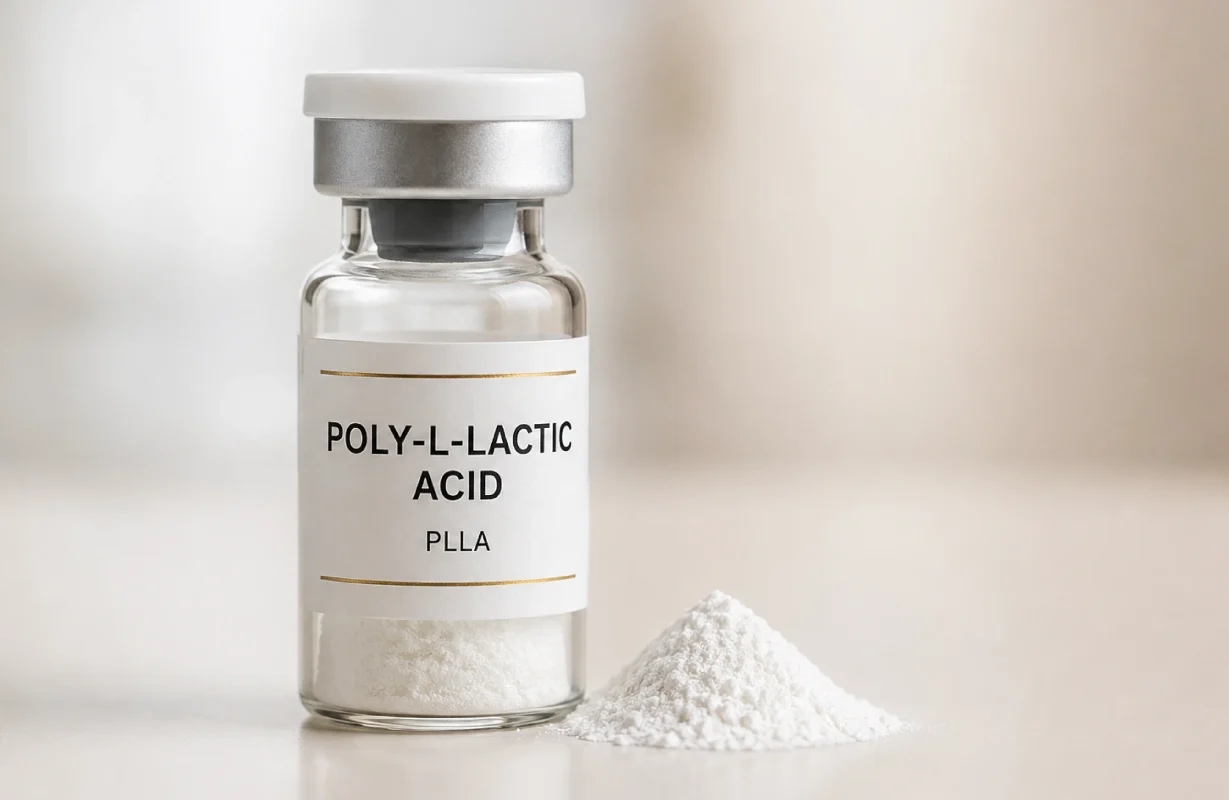
Poly-L-lactic acid is a synthetic, biodegradable polymer that has been used safely in medical applications (including absorbable surgical sutures) for several decades before its adoption in aesthetic medicine. When formulated for aesthetic use, PLLA is suspended as microparticles in a carrier gel and injected into the deeper layers of the skin.
What is the difference between PLLA and traditional dermal filler?
The distinction between PLLA and hyaluronic acid (HA) fillers is fundamental to understanding what the treatment can and cannot achieve:
PLLA (Collagen Biostimulator)
Mechanism
Stimulates the body’s own fibroblasts to produce new collagen
Onset of visible effect
Gradual: typically 6–12 weeks before change becomes noticeable
Duration of results
Approximately 18–24 months or longer in published studies
Number of sessions typically required
2–4 sessions spaced 4–6 weeks apart
Reversibility
Not reversible
Best suited for
Structural volume loss over broader areas (cheeks, temples)
Hyaluronic Acid (HA) Filler
Mechanism
Adds volume directly through a water-attracting gel substance
Onset of visible effect
Immediate: visible within 1–2 days
Duration of results
Approximately 6–12 months
Number of sessions typically required
Usually 1 session per treatment area
Reversibility
Can be dissolved using hyaluronidase enzyme
Best suited for
Targeted contouring and areas needing an immediate result (lips, tear troughs)
This is a general comparison for educational purposes. The most appropriate treatment depends on the individual’s degree of volume loss, treatment goals, and preferences, and is determined at consultation.
How Does PLLA Work?
Triggering New Collagen (Fibroblast Stimulation)
When PLLA is injected into the deeper layer of the skin, it triggers a controlled, localised healing response. Research has shown that this response draws in immune cells (monocytes and macrophages), which in turn signal your skin’s fibroblast cells to produce more Type I collagen, the main structural protein responsible for skin firmness. Studies have found this immune-cell signalling step is essential: PLLA doesn’t stimulate fibroblasts to produce collagen on its own.
Gradual Tissue Remodelling
The PLLA itself is gradually broken down and absorbed by the body, a process that continues for 24 months or longer. But the new collagen it triggered stays behind, which is what contributes to the lasting improvement in skin thickness, firmness, and volume. In other words, the visible effect you see comes from your own collagen, not from the volume of the material that was injected.

Step-by-step Treatment Process
1. Consultation
The doctor assesses facial anatomy, degree of volume loss, skin condition, and treatment goals. A personalised treatment plan is developed, typically involving a course of multiple sessions. Risks, expected timeline, and realistic outcomes are discussed. Informed consent is obtained before any treatment proceeds.
2. Preparation
The treatment area is cleansed. A local anaesthetic may be applied to numb the area and minimise discomfort during injection.
3. Injection
PLLA is administered beneath the skin, commonly using a blunt-tipped cannula rather than a sharp needle, a technique that may help reduce tissue trauma, resulting in less bruising, swelling, and discomfort for some individuals. The product is distributed evenly across the treatment area following proper reconstitution and placement technique, which is important for minimising the risk of nodule formation. Treatment typically takes 30–60 minutes.
4. Post-Treatment
Most individuals are able to resume normal activities within a day. Temporary swelling, bruising, or tenderness at injection sites may occur and typically resolves within a few days with appropriate post-treatment care.
What Can PLLA Address?

CHEEKS
TEMPLES
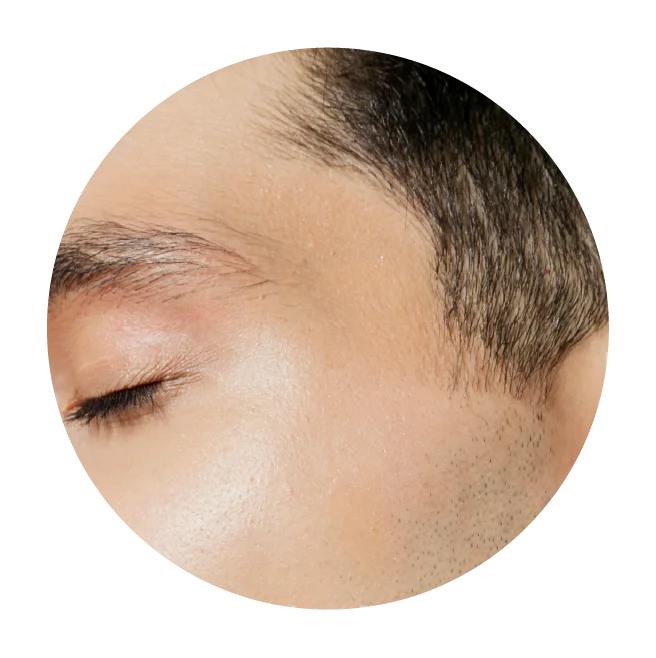
Volume loss in the temples can create a hollow appearance. PLLA treatment in this area works to gradually address this hollowing as part of a more balanced overall facial profile.
MID-FACE
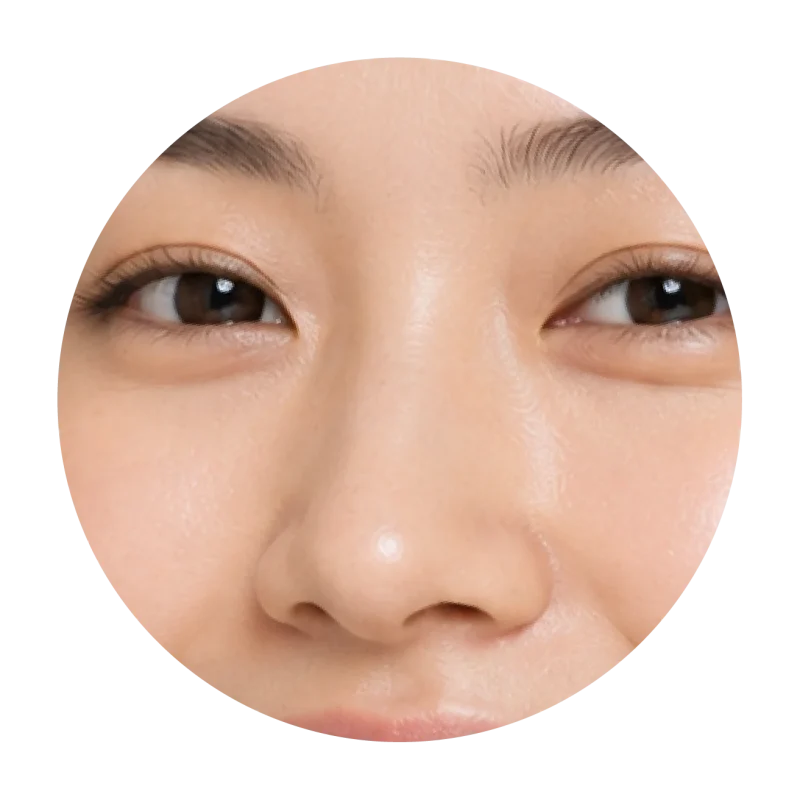
Broader volume support across the mid-face may help address age-related flattening or sagging, depending on individual facial structure.
NASOLABIAL FOLDS (SMILE LINES)
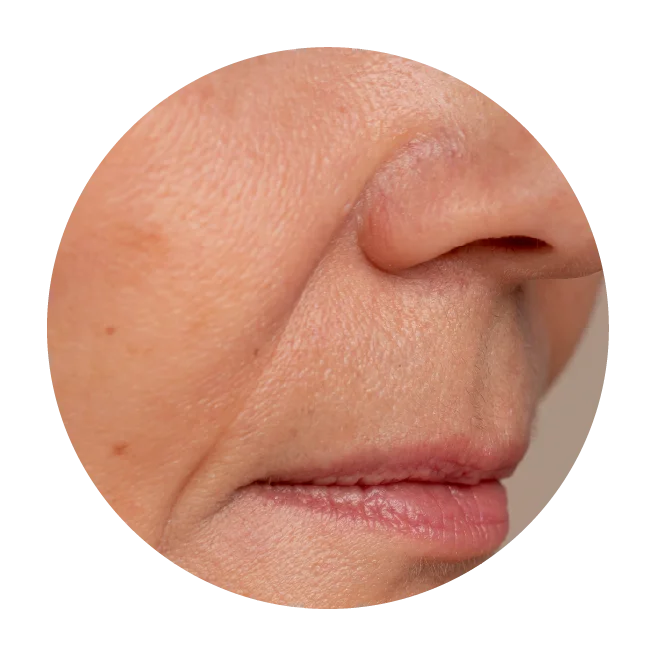
By supporting mid-face volume, PLLA may contribute to a reduction in the visible depth of the folds running from the nose to the corners of the mouth.
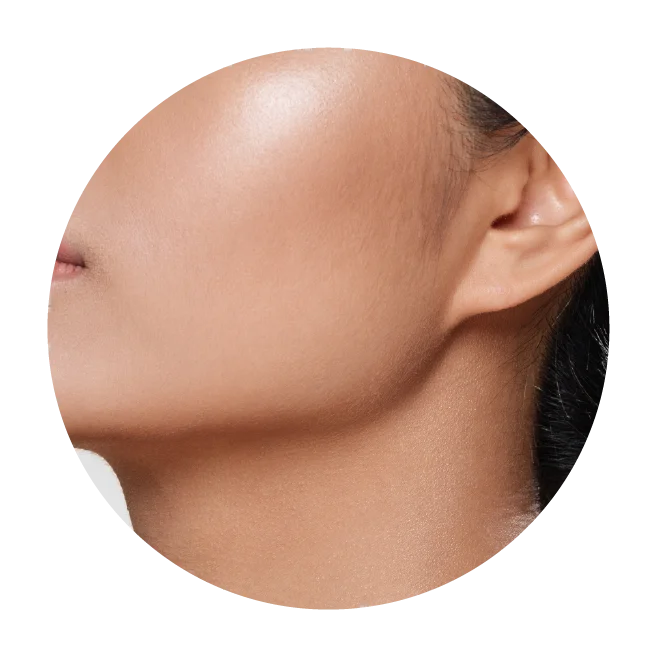
JAWLINE (INDIRECT EFFECT)
PLLA is not typically injected directly into the jawline, but volume restoration in the cheeks and mid-face can contribute to improved lower-face definition in some individuals as facial support structures are addressed collectively.
SKIN QUALITY AND ELASTICITY
Beyond structural volume, published randomised studies have documented measurable improvements in skin elasticity and hydration following a course of PLLA treatment.
Note: PLLA is not recommended for the periorbital (under-eye) area due to its particle size and the thin, delicate skin in this region, which carries a higher risk of nodule formation.
What Results Can You Expect
1–2 months
Early, subtle improvements in skin texture and volume may be noticed as initial collagen formation begins.
3–4 months
More noticeable changes in facial contours and skin quality typically become apparent as collagen deposition progresses.
5–6 months
Results often reach their peak during this window, with potential improvement in the appearance of wrinkles and continued volume restoration.
Number of sessions
PLLA is typically administered as a course of 2–4 sessions spaced approximately 4–6 weeks apart, rather than as a single treatment. The exact number of sessions required depends on the degree of volume loss and individual response, and will be discussed at consultation.
Longevity
Published studies report that PLLA results may last approximately 18–24 months, with some individuals experiencing effects lasting longer. This variability depends on factors including age, skin condition, lifestyle factors such as sun exposure and smoking, individual metabolic rate, and the degree of volume loss addressed.
Maintenance
Because PLLA’s collagen-stimulating effect diminishes over time as the body continues its natural ageing process, annual touch-up sessions are commonly recommended by practitioners to help sustain results.
Results vary significantly between individuals. Outcomes depend on baseline skin condition, age, treatment area, number of sessions completed, and adherence to post-treatment care. Results cannot be guaranteed.
Side Effects and Risks
Common, expected side effects
- Temporary swelling at injection sites (typically resolves within a few days)
- Bruising (ecchymosis)
- Mild pain or tenderness at injection sites
- Redness
Less common side effects
- Papules or subcutaneous nodules: these are histologically distinct from true granulomas, generally palpable but not visible, and typically resolve on their own; published incidence in earlier studies ranged from 6% to 44%, though more recent literature indicates this rate has decreased substantially with improved reconstitution and injection technique
- Overcorrection at the treatment site
- Localised dyschromia (colour change) at injection sites
Rare but reported side effects
- True inflammatory granulomas: a foreign body reaction that is systemic in nature and distinct from papules/nodules; reported incidence is low (approximately 0.01%–0.1%) but may become apparent months or years after treatment and can persist or grow over time
- Vascular occlusion, tissue ischemia, or embolic events: rare but serious complications associated with injectable fillers generally, requiring immediate medical attention if suspected
- Localized cellulitis or infection at injection sites
- Late-onset nodules appearing months to years after treatment, requiring specialist management if they occur
The majority of adverse events associated with PLLA are papules, nodules, and granulomas, and published literature indicates these can be minimised through proper product reconstitution and injection technique. At EHA Clinic, PLLA treatments are performed only by trained medical doctors following established best-practice injection protocols. Full details of potential risks and side effects are discussed at consultation, and informed consent is obtained before treatment.
Who May Be Suitable for PLLA?
Suitable candidates:
- Adults noticing early to moderate age-related volume loss in the cheeks, temples, or nasolabial folds
- Those seeking a non-surgical option for gradual facial volume restoration
- Individuals who prefer subtle, progressive results that develop gradually rather than an immediately visible change
- Those seeking a longer-lasting option compared to hyaluronic acid fillers
- Patients willing to commit to a course of multiple sessions over several months
- Individuals with realistic expectations about the gradual, collagen-driven nature of the results
PLLA may NOT be suitable for individuals with:
- Active skin infections or inflammation in the treatment area
- Known hypersensitivity to any component of the PLLA formulation
- Keloid-prone skin or a history of hypertrophic scarring (assessed individually due to the biostimulatory mechanism)
- Pregnancy or breastfeeding
- Unrealistic expectations of immediate results: PLLA is specifically a gradual-acting treatment
- Under-eye (periorbital) treatment requests: PLLA is generally not recommended in this area due to increased nodule risk associated with its particle size and the thin skin in this region
- Bleeding disorders or current use of blood-thinning medication (assessed individually)
Suitability is assessed at consultation. The doctor will review the patient’s medical history, degree of volume loss, and expectations before recommending a treatment plan.

Frequently Asked Questions (FAQs)
Is PLLA a dermal filler?
PLLA is not classified as a traditional dermal filler. It is a collagen biostimulator that works by triggering the body’s own collagen production over time, rather than adding immediate volume through a gel-like substance placed under the skin. This gradual mechanism is why PLLA results tend to appear over several weeks to months rather than immediately.
How is PLLA different from hyaluronic acid (HA) fillers?
HA fillers add volume immediately by occupying space and attracting water, with results visible within a day or two and typically lasting 6–12 months. PLLA instead stimulates fibroblasts to gradually produce new collagen, with visible results appearing over 6–12 weeks and building to a peak around 5–6 months, with effects that may last 18–24 months or longer. PLLA is generally more suited to broader structural volume restoration, while HA is often preferred for targeted contouring needing an immediate result.
Is the treatment painful?
PLLA treatments are generally well-tolerated. Some individuals experience mild pressure, a slight pinch, or a sensation of movement under the skin during injection. A blunt-tipped cannula is commonly used instead of a sharp needle, which may reduce tissue trauma and associated discomfort. Local anaesthetic is typically applied beforehand to further minimise sensation.
What is the downtime like?
Downtime is generally minimal. Most individuals resume normal daily activities within a day. Temporary swelling, redness, bruising, or tenderness at injection sites may occur and typically resolves within a few days depending on individual response and post-treatment care.
How many sessions will I need?
PLLA is typically administered as a course of 2–4 sessions, spaced approximately 4–6 weeks apart, in order to achieve the collagen-stimulation effect demonstrated in clinical studies. The exact number of sessions required depends on the degree of volume loss being addressed and will be assessed at consultation.
How quickly will I see results?
Results develop gradually. Early, subtle improvements in skin texture and volume may be noticed at 1–2 months as collagen formation begins, with more noticeable changes in facial contour typically appearing by 3–4 months. Results generally reach their peak around 5–6 months following the completed treatment course.
How long do results last?
Published clinical studies report that PLLA results may last approximately 18–24 months, and in some individuals, longer. Duration varies based on age, skin condition, lifestyle factors such as sun exposure and smoking, individual metabolic rate, and the degree of volume loss addressed.
What are the risks and side effects?
The most common effects are temporary swelling, bruising, and tenderness at injection sites. Less common effects include papules or nodules, which are usually non-visible and resolve on their own; published rates for these have historically ranged from 6–44% but have decreased with improved injection technique. Rare but more serious effects include true inflammatory granulomas and, as with any injectable filler, vascular complications. Your doctor will discuss the specific risk profile for your treatment plan at consultation.
Can PLLA be used under the eyes?
PLLA is generally not recommended for the under-eye (periorbital) area due to its particle size and the thin, delicate skin in this region, which carries an increased risk of lumps or uneven texture. A different, separately regulated product (Poly-D,L-lactic acid, or PDLLA, which has a smaller particle size) may be considered for under-eye rejuvenation in some cases, subject to its own regulatory approval and a separate suitability assessment. This is not the same product as PLLA and would be discussed as a distinct treatment option at consultation.
Can PLLA results be reversed?
No. Unlike hyaluronic acid fillers, which can be dissolved using the enzyme hyaluronidase, PLLA’s effect is driven by the body’s own collagen production and cannot be reversed in the same way.
Can PLLA be combined with other treatments?
PLLA may be used as part of a combination treatment approach alongside HIFU-based skin tightening, thread lifts, or Collagen Growth Skinbooster treatments, depending on the individual’s concerns and ageing pattern. The combination approach and sequencing are discussed with your doctor at consultation.
Who performs PLLA treatments at EHA Clinic?
All PLLA treatments are performed only by registered medical doctors at EHA Clinic, in accordance with the SMC Guidelines on Aesthetic Practices for Doctors and Singapore’s Healthcare Services Act (HCSA) regulatory framework.
Can you show before-and-after photos or guarantee results?
In accordance with Singapore’s MOH/HCSA advertising regulations, before-and-after photos are not displayed in public advertising materials. Example images may be viewed in-clinic during consultation for educational purposes, with appropriate clinical context. Results cannot be guaranteed; individual outcomes vary.
How is cost determined?
Cost depends on the number of vials and sessions required for your treatment plan, and the areas being treated. A personalised estimate will be provided at consultation.
Post-treatment care
- Temporary swelling, bruising, or tenderness at injection sites is expected and typically resolves within a few days
- Gently massage the treated area as instructed by your doctor, if advised; proper technique is important as inadequate massage has been associated with an increased risk of nodule formation
- Avoid strenuous exercise, saunas, and steam rooms for 24–48 hours after treatment
- Avoid direct sun exposure and apply broad-spectrum sunscreen (SPF 30 or higher) daily
- Avoid lying face-down or applying excessive pressure to treated areas for the first 24 hours
- Attend all scheduled sessions in your treatment course to achieve the intended collagen-stimulation effect
- Contact the clinic if you notice a persistent lump, unusual swelling, or any symptoms that concern you, particularly in the weeks to months following treatment
Consultation
PLLA is suitable for adults seeking gradual, natural-looking facial volume restoration through their own collagen production, rather than immediate volumising. A consultation with our medical doctors is required to assess your degree of volume loss and expectations, and to develop a personalised treatment course.
Alternatively, reach out to us for a non-obligatory consultation
Meet your EHA Clinic Doctor

Dr. Elias Tam, the Doctor Trainer
Dr. Elias Tam, with over 30 years in medicine, leads EHA Clinic, focusing on advancing technical standards in aesthetic medicine. He holds the position of Clinical Lecturer at University College London. Throughout his many years as an aesthetic doctor, Dr. Tam has held multiple hands-on training sessions and seminars, sharing his vast knowledge and expertise with aspiring doctors in the field.
Under his guidance, EHA Clinic offers a safe and comprehensive range of aesthetic treatments for the face, body, and hair; including clinically established treatments such as hair transplants, non-surgical face-lifting, body sculpting, fillers and other injectable treatments.