
Ligament Lifting

Ligament Lifting is a targeted injectable technique that uses carefully placed dermal filler to support the facial retaining ligaments — the fibrous structures that connect the skin and soft tissue of the face to the underlying bone. As these ligaments loosen and lengthen with age, the overlying soft tissue descends, contributing to sagging, flattening of the midface, and deepening of facial lines and folds. The Ligament Lifting technique addresses this structural cause of facial descent by placing small, precise boluses of high-cohesivity filler directly at the base of these ligaments.
Unlike volume-based filler approaches that primarily add bulk to the face, the Ligament Lifting technique uses relatively conservative filler volumes placed at anatomically specific injection points — targeting the true retaining ligaments of the face — to reinforce the ligament structure and improve the mechanical suspension of the overlying soft tissue.
At EHA Clinic, Ligament Lifting is performed by our medical doctors and is customised based on the individual’s facial anatomy, skin condition, and treatment goals. Suitability is assessed at consultation.
Ligament Lifting
Ligament Lifting is a targeted injectable technique that uses carefully placed dermal filler to support the facial retaining ligaments — the fibrous structures that connect the skin and soft tissue of the face to the underlying bone. As these ligaments loosen and lengthen with age, the overlying soft tissue descends, contributing to sagging, flattening of the midface, and deepening of facial lines and folds. The Ligament Lifting technique addresses this structural cause of facial descent by placing small, precise boluses of high-cohesivity filler directly at the base of these ligaments.
Unlike volume-based filler approaches that primarily add bulk to the face, the Ligament Lifting technique uses relatively conservative filler volumes placed at anatomically specific injection points — targeting the true retaining ligaments of the face — to reinforce the ligament structure and improve the mechanical suspension of the overlying soft tissue.
At EHA Clinic, Ligament Lifting is performed by our medical doctors and is customised based on the individual’s facial anatomy, skin condition, and treatment goals. Suitability is assessed at consultation.
Treatment at a Glance

Procedure Type
Minimally invasive injectable treatment. A fine needle is used to place small, precise boluses of high-cohesivity dermal filler at the base of the facial retaining ligaments at targeted anatomical injection points.

Expected Results
Improvement in the support and tension of the facial retaining ligaments; reduction in the descent of overlying soft tissue; improvement in the appearance of mid-face deflation, nasolabial fold depth, and marionette line prominence; improved jawline definition; more defined facial contour. Results vary with individuals.

Downtime

Treatment Areas
Brow and orbital region, cheeks and midface, nasolabial area, pre-jowl and mandibular region, marionette line area — based on the specific ligaments targeted.

Procedure Time
Approximately 30–60 minutes including numbing cream application.
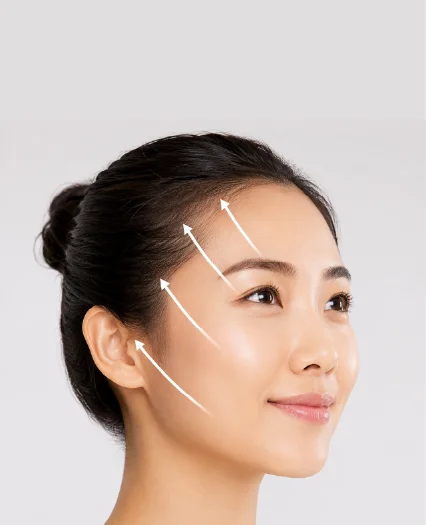
What is Ligament Lifting?
The Facial Retaining Ligaments
The face is held together by a system of fibrous structures that anchor the skin, subcutaneous fat, and SMAS (Superficial Musculoaponeurotic System) to the underlying facial skeleton. The true retaining ligaments — as distinct from other facial connective structures — run directly from the periosteum (bone surface) through the SMAS and branch out into the subcutaneous tissue and skin. They act as the primary suspension cables of the face, maintaining the position of the soft tissues above.
The four major true retaining ligaments of the face are:
- Orbital Retaining Ligament (ORL) — supports the brow and upper periorbital region
- Zygomatic Retaining Ligament (ZRL) — supports the cheek, lateral canthal region, and upper midface
- Buccal-Maxillary Retaining Ligament (BMRL) — supports the midface and deep medial cheek fat compartment; contributes to nasolabial fold depth
- Mandibular Retaining Ligament (MRL) — supports the lower face and chin area; its laxity contributes to marionette lines and early jowling.

How Age Affects the Ligaments
With age, these ligaments gradually elongate and lose tensile strength. As the anchoring force diminishes, the overlying soft tissue compartments descend — producing the characteristic signs of facial ageing: flattening of the cheeks, deepening of the nasolabial folds, sagging of the jowls, and descent of the brow.
Conventional volume-based filler approaches address the symptoms of this descent (adding volume to deflated areas), but do not directly address the ligament laxity that is the underlying structural cause. The Ligament Lifting technique targets the ligaments themselves
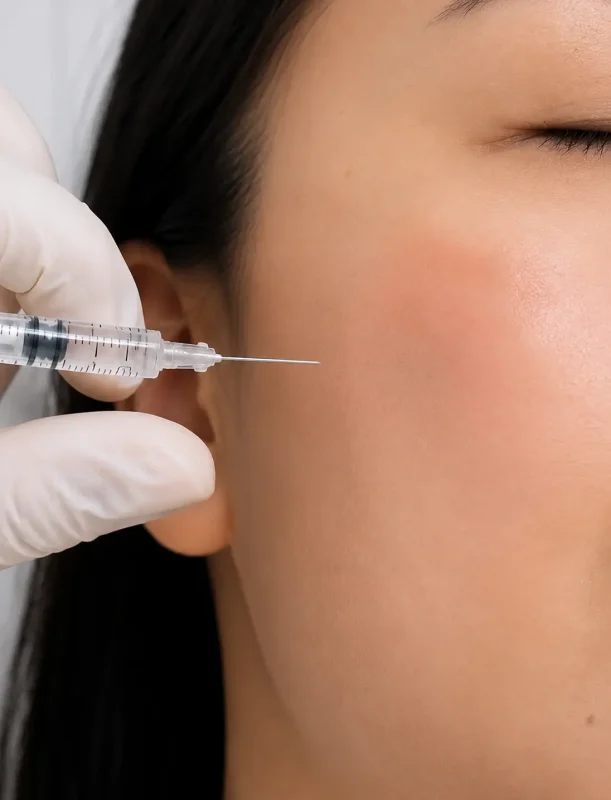
The Injection Approach
In the Ligament Lifting technique, a high-cohesivity (high G′) dermal filler is placed in small, precise boluses at the periosteal base of each targeted retaining ligament — the point where the ligament originates from the bone surface.
This placement is intended to add structural support at the ligament base and may help improve the tension and positioning of the overlying soft tissue.
This approach combines volumetric restoration at the ligament base with targeted support of the surrounding fibrous structure, which may contribute to a lifting effect on the skin above.
How Does Ligament Lifting Work?
Step 1 — Anatomical Assessment
Before treatment, the doctor identifies the location of the targeted retaining ligaments through clinical examination and palpation of the facial skeleton. The ligament origins can be identified as palpable indentations on the bone surface at predictable anatomical landmarks. This assessment guides the precise placement of each injection.
Step 2 — Targeted Periosteal Injection
A fine needle is used to deliver a small bolus (typically 0.1–0.2ml per point) of high-cohesivity filler perpendicular to the periosteum at the base of each targeted ligament. Immediately after placement, a tenting effect — the slight elevation of the overlying skin and soft tissue — may be observed as the filler applies tension to the ligament structure above.
Step 3 — Progressive Improvement
In addition to the immediate visible effect, the filler deposit at the sub-SMAS level is intended to provide added structural support in the treated region. Over the following weeks, the improvement in facial contour may become more evident as swelling resolves and tissue adapts.
Why Use High-Cohesivity Filler?
High G′ (high cohesivity) fillers are used because they retain their structure and resist deformation under the mechanical forces present at the periosteal injection site. A standard soft filler at this location would not maintain the structural support needed to reinforce the ligament. The firmness of the product is intended to help support the ligamentous attachment, which may contribute to a lifting effect on the tissue above.

Step-by-step Treatment Process
1. Consultation
The doctor assesses the patient’s facial anatomy, skin condition, degree of ligamentous laxity, and the areas of descent most relevant to their concerns. The specific ligaments to be targeted, the filler product and volumes, and the expected improvements are discussed. Risks, side effects, and realistic expectations are explained. Informed consent is obtained before any treatment proceeds.
2. Preparation
The face is cleansed thoroughly. A topical numbing cream is applied and left on for approximately 20–30 minutes to reduce discomfort during injections. The doctor identifies and marks the injection points based on palpation of the facial skeleton
3. Injection
Using a fine needle, the doctor delivers small, precise boluses of high-cohesivity filler at the periosteal base of each targeted retaining ligament. The typical approach involves five injection points per side of the face, addressing up to four ligament regions depending on the patient’s anatomy and goals. The doctor assesses the tissue response after each injection to confirm accurate placement and appropriate effect. Total treatment time is approximately 15–30 minutes for the injection phase.
4. Post-treatment
Review
After the procedure, the doctor reviews the immediate result. Mild swelling will be present at this stage — the final result is assessed more accurately after 1–2 weeks when post-injection swelling has resolved. Post-treatment care instructions are provided.
Which Areas Can Ligament Lifting Address?
The areas addressed correspond to the locations of the targeted retaining ligaments. The doctor will determine which ligaments to treat based on the individual’s anatomy and concerns.
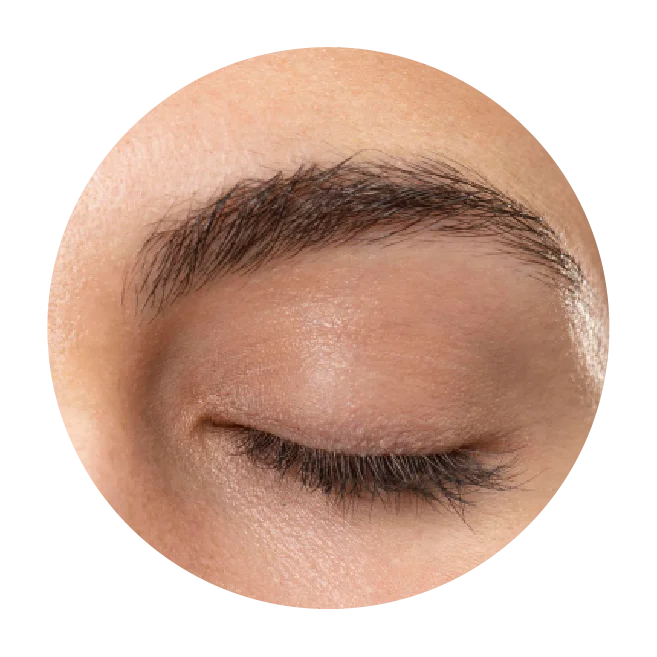
BROW AND UPPER PERIORBITAL REGION
The Orbital Retaining Ligament (ORL) is targeted to address descent of the lateral brow and heaviness in the upper periorbital area. Precise filler placement at the periosteal origin of the ORL may support the brow position and improve the lateral canthal region.

CHEEKS AND MIDFACE
The Zygomatic Retaining Ligaments (ZRL) are targeted to address flattening of the cheeks, descent of the lateral canthal region, and loss of midface support. Treatment at the ZRL injection points may improve the fullness and position of the cheek and lateral midface region.
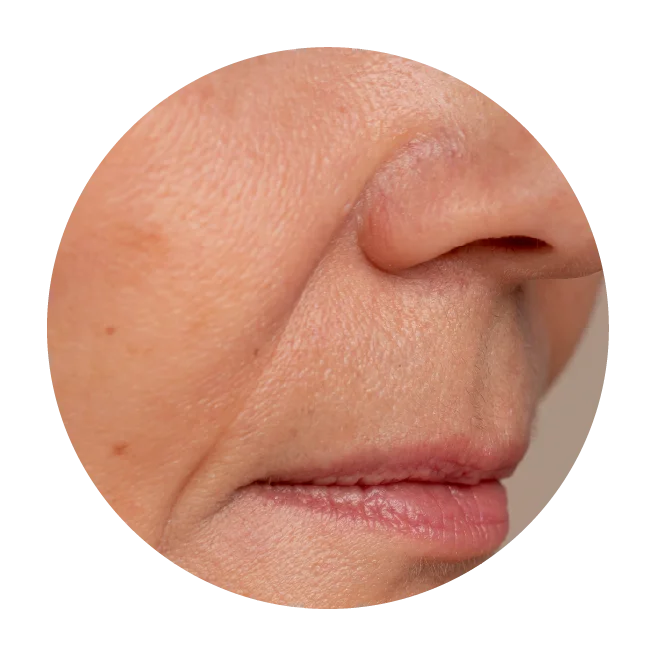
NASOLABIAL FOLDS
The Buccal-Maxillary Retaining Ligament (BMRL) is targeted to address deepening of the nasolabial fold and hollowing of the deep medial cheek area. Injection at the BMRL base provides support to this ligament while volumising the deep medial cheek fat compartment, which may reduce the prominence of the nasolabial fold.
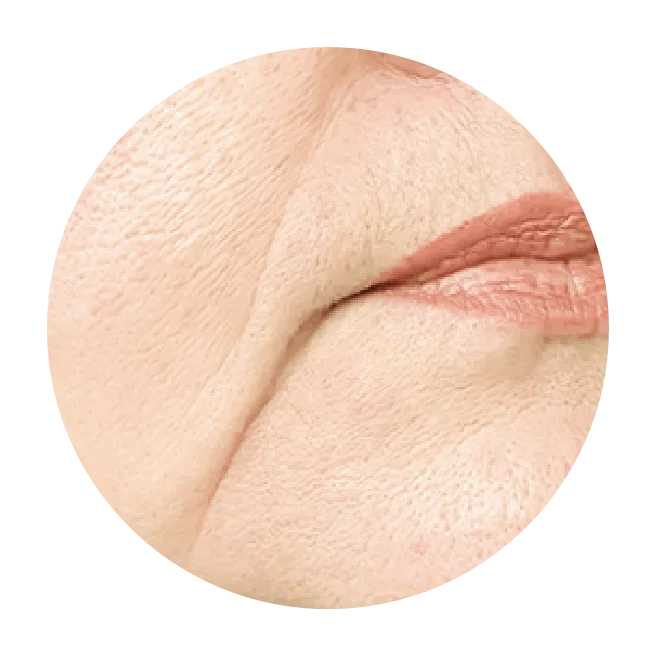
MARIONETTE LINES AND PRE-JOWL AREA
The Mandibular Retaining Ligament (MRL) is targeted to address the marionette line region and early jowling along the lower face. Injection at the base of the MRL elevates the marionette fold and supports contour definition of the medial cheek and mandibular border.
Ligament Lifting vs. Other Non-Surgical Lifting Approaches
Ligament Lifting
primary mechanism
Structural reinforcement of retaining ligaments via periosteal sub-SMAS filler placement
Targets ligament laxity directly
Yes — injection at ligament base
Filler volume used
Conservative (approximately 2ml total for full-face)
Onset of visible result
Initial effect within 1–2 weeks after swelling resolves; consolidates further over weeks
Duration
Approximately 6–18 months depending on filler used
downtime
Minimal (few days for swelling/bruising)
invasiveness
Minimally invasive (needle injection)
reversal
Yes (if HA filler used — dissolve with hyaluronidase)
Best suited for
Mild to moderate laxity driven by ligament descent; those preferring conservative filler volumes
Volume-Based Filler
primary mechanism
Volume replacement; tissue hydration via HA
Targets ligament laxity directly
Indirectly
Filler volume used
Moderate to high depending on area and goal
Onset of visible result
Immediate; settles in 1–2 weeks
Duration
6–18 months (HA)
downtime
Minimal (few days)
invasiveness
Minimally invasive
reversal
Yes (HA fillers)
Best suited for
Deflation, volume loss, specific feature augmentation
HIFU / Ultherapy Prime
primary mechanism
Thermal coagulation → collagen/elastin remodelling at SMAS depth
Targets ligament laxity directly
No
Filler volume used
Not applicable
Onset of visible result
Gradual over 2–6 months
Duration
12–18 months
downtime
Minimal (hours)
invasiveness
Non-invasive
reversal
Not applicable
Best suited for
Mild to moderate skin laxity; all-over skin tightening
Threadlift
primary mechanism
Mechanical tissue repositioning + collagen stimulation around threads
Targets ligament laxity directly
Indirectly (threads reposition overlying tissue)
Filler volume used
Not applicable
Onset of visible result
Immediate mechanical lift + gradual collagen effect
Duration
12–18 months
downtime
Mild; 3–7 days
invasiveness
Minimally invasive
reversal
Not applicable
Best suited for
Moderate laxity requiring immediate visible contour repositioning
Note: The comparison above describes general treatment characteristics and is for educational purposes. Suitability is determined at consultation.
What Results Can You Expect
Immediately after treatment
Some tenting effect and soft tissue elevation may be observable directly after injection. Swelling, redness, and tenderness at the injection sites will be present and the face may appear slightly uneven or swollen. This is not an accurate representation of the final result.
1–2 weeks
Swelling and bruising will have largely resolved. The result from the filler placement at the ligament bases can be assessed more accurately at this stage — improvement in facial contour, nasolabial fold depth, and overall facial support should be more visible.
4-8 weeks
The structural consolidation of the filler within the ligamentous tissue continues.
Duration and maintenance
Results from the Ligament Lifting technique with HA filler are expected to last approximately 6–18 months depending on the filler product used and the individual’s metabolism. Maintenance sessions may be scheduled before the initial results have diminished to maintain the structural support provided.
Results vary between individuals. Outcomes depend on the degree of ligamentous laxity present, the product used, filler volumes, individual tissue response, and lifestyle factors. Results cannot be guaranteed.
Side Effects and Risks
Ligament Lifting is an injectable filler procedure. All risks associated with injectable dermal fillers apply.
Common, expected side effects
- Swelling, redness, and tenderness at the injection sites (typically resolves within a few days)
- Bruising (risk varies by area and needle technique; typically resolves within 1–2 weeks)
- Mild unevenness or firmness at injection points in the immediate post-treatment period
Less common side effects
- Prolonged swelling or inflammatory reaction
- Visible or palpable nodules at injection points (typically transient as filler integrates)
- Infection at the injection site (rare; managed with antibiotics)
Serious and rare risks
Because the Ligament Lifting injection points are at periosteal (bone-level) depths, the technique requires precise anatomical knowledge and trained injection skills to avoid adjacent neurovascular structures:
- Vascular occlusion — inadvertent injection into or compression of a facial vessel can result in skin necrosis or, in rare cases, vision loss. This risk is present with filler injections in any facial area and is particularly relevant in regions with dense facial vasculature such as the periorbital and midface areas.
- Nerve effects — transient changes in sensation may occur in areas adjacent to sensory nerve branches
- Periosteal injury — rare; associated with inaccurate technique
At EHA Clinic, Ligament Lifting injections are performed only by trained medical doctors with anatomical knowledge of the facial retaining ligament system. Hyaluronidase is available for emergency use in the event of vascular compromise. Full details of risks are discussed at consultation, and informed consent is obtained before treatment.
Who May Be Suitable for Ligament Lifting?
Suitable candidates:
- Adults with mild to moderate facial laxity whose primary concern is soft tissue descent rather than volume deflation alone
- Individuals with visible nasolabial folds, marionette lines, or early jowling associated with ligament laxity rather than isolated volume loss
- Those with brow heaviness or descent contributing to a tired or aged appearance
- Patients seeking a conservative-volume filler approach that targets structural support rather than broad volumisation
- Those who prefer a minimally invasive, relatively rapid procedure with minimal downtime
- Individuals whose anatomy and degree of laxity have been assessed as appropriate for this technique at consultation
- Patients with realistic expectations about the degree and timeline of improvement
Ligament Lifting may NOT be suitable for individuals with:
- Severe skin laxity or significant soft tissue descent (where surgical approaches may be more appropriate)
- Active skin infections or open wounds at the planned injection sites
- Known allergy to filler components (including lidocaine in some HA products)
- Pregnancy or breastfeeding
- Bleeding disorders or current anticoagulant use (risk of significant bruising; assessed individually)
- Autoimmune conditions or active inflammatory skin disease (assessed individually)
- Unrealistic expectations about the degree of correction achievable with a non-surgical technique
Suitability is assessed at consultation. The doctor will review the patient’s full medical history, anatomical assessment, and aesthetic goals before recommending a treatment plan.
Frequently Asked Questions (FAQs)
What is Ligament Lifting?
Ligament Lifting is a targeted dermal filler injection technique that places small, precise boluses of high-cohesivity filler at the periosteal base of the facial retaining ligaments. The technique aims to reinforce the structural support capacity of these ligaments, which loosens with age, contributing to descent of the overlying facial soft tissue. It is distinct from conventional volume-based filler approaches in that it targets the ligament anchor points rather than primarily replacing volume in deflated areas.
How is Ligament Lifting different from regular dermal fillers?
Standard filler treatments primarily replace volume — adding gel to areas that have become deflated or hollowed to restore fullness. The Ligament Lifting technique uses a different anatomical approach: a high-cohesivity filler is placed in small, precise amounts at the base of specific retaining ligaments on the facial skeleton. This reinforces the ligamentous attachment and transmits mechanical lifting force to the overlying soft tissue through the ligament structure. It typically uses lower total filler volumes than broad volumising approaches.
What is a "retaining ligament" and why does it matter for ageing?
The facial retaining ligaments are fibrous columns that run from the periosteum (surface of the facial skeleton) through the SMAS and subcutaneous tissue to the skin. They act as suspension anchors for the overlying facial tissue. With age, these ligaments elongate and weaken, allowing the supported soft tissue to descend — producing signs including sagging cheeks, deepening nasolabial folds, marionette lines, and early jowling. The Ligament Lifting technique specifically targets these structures.
Which ligaments are targeted?
The four major true retaining ligaments targeted in the Ligament Lifting technique are: the Orbital Retaining Ligament (ORL) in the brow area, the Zygomatic Retaining Ligament (ZRL) in the cheek and lateral canthal area, the Buccal-Maxillary Retaining Ligament (BMRL) in the midface and nasolabial region, and the Mandibular Retaining Ligament (MRL) in the marionette line and pre-jowl area. The doctor determines which ligaments to address based on the individual’s anatomy and concerns at consultation.
How many injection points are used?
The technique typically involves approximately five injection points per side of the face, corresponding to the origins of the targeted retaining ligaments. The actual number depends on the individual’s treatment plan and which ligament regions are being addressed.
How much filler is used?
The Ligament Lifting technique uses comparatively conservative filler volumes — approximately 2ml total for a full-face treatment in many cases. This is lower than broader volumising approaches, as the goal is precise structural reinforcement at ligament anchor points rather than generalised volume replacement. The doctor will advise on the appropriate amount at consultation based on assessment of the individual’s anatomy.
Is the treatment painful?
A topical numbing cream is applied before the procedure. The injection points are periosteal — at bone level — and a brief, localised pressure or ache may be felt when the filler is delivered at this depth. Most patients describe the procedure as tolerable. Sensitivity varies between individuals and injection sites.
How long do results last?
Results are expected to last approximately 6–18 months depending on the filler product used, the individual’s metabolism, and the areas treated. Maintenance sessions may be scheduled to sustain the structural support over time.
Is the result immediate?
A subtle tenting or lifting effect may be observable directly after injection. However, swelling will be present immediately after the procedure. The result is more accurately assessed 1–2 weeks after treatment when post-injection swelling has resolved. Some consolidation of the structural effect continues over the following weeks.
Is there downtime?
Downtime is minimal. Swelling, redness, and tenderness at the injection sites are expected for a few days. Bruising may occur and can take up to 1–2 weeks to fully resolve. Most patients are able to resume daily activities the same day or the following day.
Can Ligament Lifting be combined with other treatments?
Ligament Lifting may be used as part of a broader facial treatment plan. It may be combined with volume-based filler in other areas (for deflation concerns not addressed by the ligament technique), skin quality treatments such as HIFU Plus, Ultherapy Prime, or Gold RF Microneedling, or Botulinum Toxin for dynamic lines. The combination approach, sequencing, and timing will be discussed with your doctor at consultation.
Who performs Ligament Lifting at EHA Clinic?
All Ligament Lifting treatments are performed only by registered medical doctors at EHA Clinic, in accordance with the SMC Guidelines on Aesthetic Practices for Doctors and Singapore’s Healthcare Services Act (HCSA) regulatory framework. The technique requires precise anatomical knowledge of the facial retaining ligament system and trained injection skills.
Can you show before-and-after photos or guarantee results?
In accordance with Singapore’s MOH/HCSA advertising regulations, before-and-after photos are not displayed in public advertising materials. Example images may be shared in-clinic during consultation for educational purposes only, with full clinical context. Results cannot be guaranteed; individual outcomes vary.
Who is not suitable?
Conditions that may make a patient less suitable include: severe skin laxity where surgical lifting may be more appropriate, active skin infections or open wounds in the treatment area, pregnancy or breastfeeding, bleeding disorders or anticoagulant use, and unrealistic expectations about the degree of non-surgical correction achievable. A full medical history review and facial assessment are conducted at consultation.
How is the cost determined?
The cost depends on the filler product used, the amount of product required, and the number of ligament regions treated. A personalised estimate will be provided during the consultation after the doctor has assessed your anatomy and goals.
Post-treatment care
- Avoid massaging or applying firm pressure to the treated injection sites for at least 2 weeks
- Apply cold compresses gently (not directly on skin) in the first 24 hours to help reduce swelling if needed
- Avoid strenuous physical activity, alcohol, and prolonged heat exposure (saunas, steam rooms) for 24–48 hours
- Apply broad-spectrum sunscreen (SPF 30 or higher) daily; minimise direct sun exposure in the days following treatment
- Use gentle skincare products; avoid active topical ingredients (retinoids, AHAs/BHAs) for 3–5 days post-treatment
- Attend your follow-up appointment as scheduled — the result is best assessed 1–2 weeks after treatment when swelling has resolved
- Contact the clinic immediately if you experience unusual pain, blanching of the skin, a change in vision, or any unexpected symptoms — these may indicate a vascular complication requiring urgent attention
Book a Consultation
Ligament Lifting is suitable for a range of age groups and all genders. The treatment approach is customised based on each individual’s facial anatomy, the degree of ligamentous laxity present, and the areas of most concern. A consultation with our medical doctors is required to determine if Ligament Lifting is the appropriate approach for you and to develop a personalised treatment plan.
Alternatively, reach out to us for a non-obligatory consultation
Meet your EHA Clinic Doctor

Dr. Elias Tam, the Doctor Trainer
Dr. Elias Tam, with over 30 years in medicine, leads EHA Clinic, focusing on advancing technical standards in aesthetic medicine. He holds the position of Clinical Lecturer at University College London. Throughout his many years as an aesthetic doctor, Dr. Tam has held multiple hands-on training sessions and seminars, sharing his vast knowledge and expertise with aspiring doctors in the field.
Under his guidance, EHA Clinic offers a safe and comprehensive range of aesthetic treatments for the face, body, and hair; including clinically established treatments such as hair transplants, non-surgical face-lifting, body sculpting, fillers and other injectable treatments.