
HIFU Skin Tightening
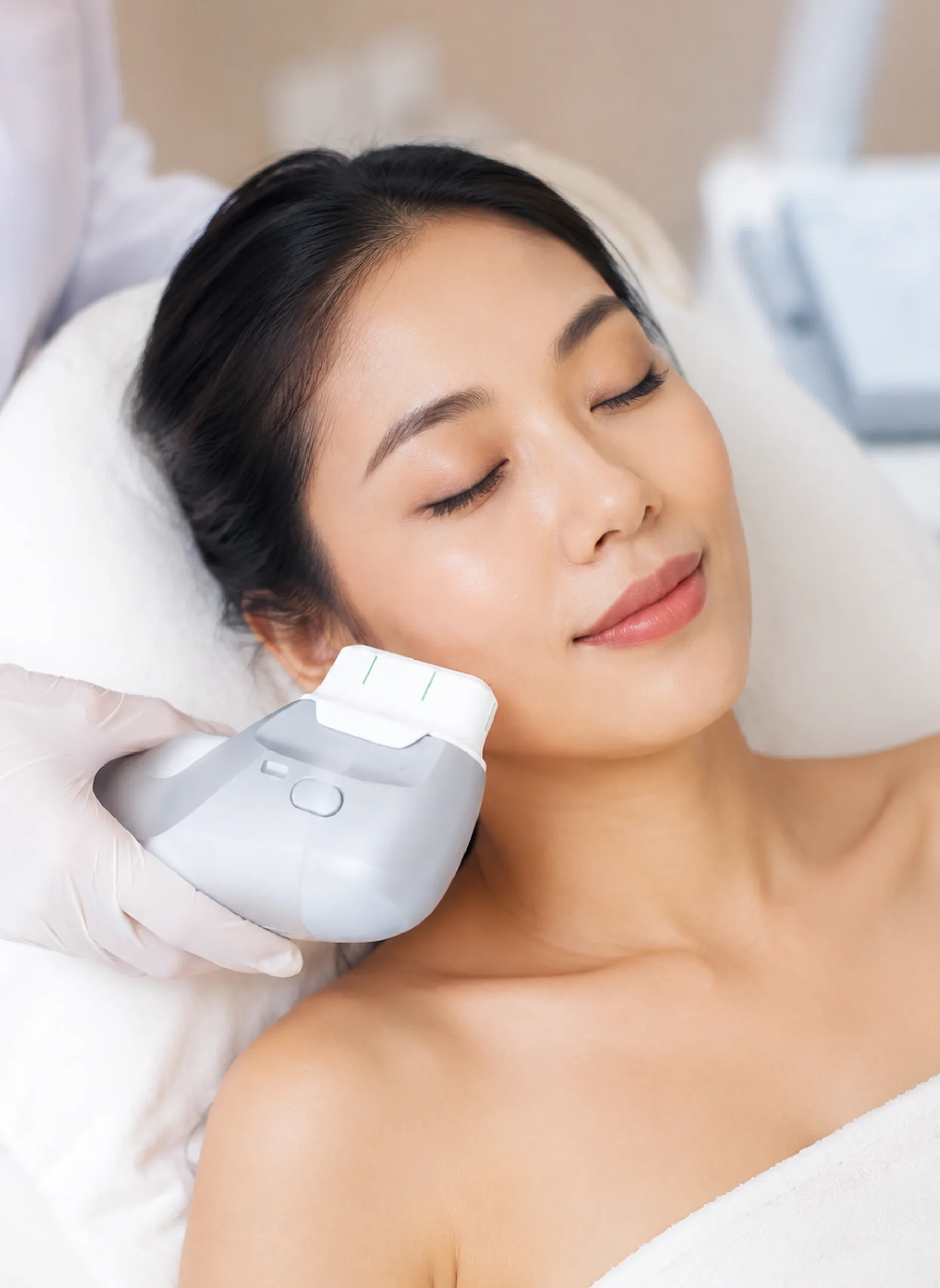
High-Intensity Focused Ultrasound (HIFU) is a non-invasive aesthetic treatment that uses focused ultrasound energy to generate controlled heat at precise depths beneath the skin surface, without damaging the skin’s outer layer. This heat triggers the body’s natural wound-healing response, stimulating fibroblasts to produce new collagen and elastin over the weeks and months following treatment — leading to gradual improvement in skin firmness, tightness, and contour.
HIFU has been used in aesthetic medicine for over a decade and is a well-established non-invasive skin tightening technology. Multiple HIFU platforms exist on the market, differing in their specific energy delivery patterns, treatment depths, and additional features — but they share the same core underlying mechanism: focused ultrasound energy creating discrete zones of controlled thermal injury to stimulate collagen remodelling.
At EHA Clinic, HIFU treatments are performed by our medical doctors and are customised based on the individual’s skin condition, anatomy, treatment areas, and goals. Suitability is assessed at consultation.
HIFU Skin Tightening
High-Intensity Focused Ultrasound (HIFU) is a non-invasive aesthetic treatment that uses focused ultrasound energy to generate controlled heat at precise depths beneath the skin surface, without damaging the skin’s outer layer. This heat triggers the body’s natural wound-healing response, stimulating fibroblasts to produce new collagen and elastin over the weeks and months following treatment — leading to gradual improvement in skin firmness, tightness, and contour.
HIFU has been used in aesthetic medicine for over a decade and is a well-established non-invasive skin tightening technology. Multiple HIFU platforms exist on the market, differing in their specific energy delivery patterns, treatment depths, and additional features — but they share the same core underlying mechanism: focused ultrasound energy creating discrete zones of controlled thermal injury to stimulate collagen remodelling.
At EHA Clinic, HIFU treatments are performed by our medical doctors and are customised based on the individual’s skin condition, anatomy, treatment areas, and goals. Suitability is assessed at consultation.
Treatment at a Glance

Procedure type
Non-invasive focused ultrasound treatment. Ultrasound energy is delivered at targeted depths beneath the skin using a handheld device, with treatment depth and settings selected by the doctor based on the treatment area and goal.

Expected Results
Gradual improvement in skin firmness, facial contour, and definition; reduction in the appearance of mild to moderate skin laxity in the face, neck, and related areas; improvement in jawline definition and submental contour; body contouring improvement in targeted areas. Results vary with individuals.

Downtime

Treatment Areas
Face (brow, periorbital, cheeks, midface, lower face, jawline), neck, submental (double chin) area, décolletage; body areas including abdomen, arms, and thighs (assessed at consultation)

Procedure Time
Approximately 20–60 minutes depending on the number and extent of treatment areas

What is HIFU?
High-Intensity Focused Ultrasound (HIFU) is a non-invasive energy-based treatment category that uses focused sound waves to generate heat at specific depths within the skin and underlying tissue. Unlike surface heating treatments, HIFU energy converges at a precise focal point beneath the skin — similar to how a magnifying glass focuses light to a single point — allowing heat to be generated at a targeted depth while leaving the skin surface and surrounding tissue relatively unaffected.
HIFU was originally developed for use in other areas of medicine, including tumour ablation, before being adapted for aesthetic skin tightening applications. In aesthetic medicine, HIFU is primarily used to address skin laxity resulting from age-related collagen and elastin decline, and — at certain treatment depths — to disrupt subcutaneous fat for body contouring purposes.
Why “High-Intensity Focused”?
- High-Intensity: The ultrasound energy delivered is of sufficient intensity to generate a controlled thermal effect at the focal point
- Focused: Unlike diffuse ultrasound (used in some imaging or physiotherapy contexts), the energy is concentrated to converge precisely at a single depth, sparing the tissue layers above and below the focal point
HIFU as a Treatment Category
Several HIFU platforms exist in aesthetic medicine, each with its own specific energy delivery characteristics, treatment depth ranges, and additional features (such as real-time tissue visualisation or variable pulse density). Despite these differences between platforms, the core underlying principle — using focused ultrasound to generate controlled thermal injury at a targeted depth to stimulate collagen remodelling — remains consistent across the category.
At EHA Clinic, the specific HIFU technology and settings used for your treatment are selected by the doctor based on your individual anatomy, the areas of concern, and the treatment depth required — discussed and confirmed at consultation.
How Does HIFU Work?
Thermal Coagulation and the Wound-Healing Response
Focused ultrasound energy converges at the selected tissue depth, generating heat that typically exceeds 60°C at discrete points — known as thermal coagulation points (TCPs). This controlled thermal effect denatures a small volume of tissue protein at each point, creating a microscopic, controlled thermal injury.
The body responds to this controlled injury through its natural wound-healing cascade: fibroblasts in the surrounding tissue are activated and begin producing new collagen and elastin fibres over the following weeks. This progressive tissue remodelling process — rather than any immediate mechanical tightening — is the primary mechanism behind the gradual improvement in skin firmness and contour that characterises HIFU outcomes.
Body Contouring Mechanism
At deeper treatment settings, focused ultrasound energy can induce a phenomenon called acoustic cavitation — microscopic pressure waves that disrupt the cell membranes of fat cells (adipocytes) in the targeted tissue plane. The disrupted fat cell contents are subsequently metabolised and cleared through the body’s natural lymphatic system over the following weeks. This is the mechanism underlying HIFU’s body contouring applications.
Depth-Dependent Effects
| Approximate Depth | Tissue Layer | Typical Application |
|---|---|---|
|
Superficial
(1.5–2.0mm) |
Superficial to mid-dermis |
Fine lines, skin texture, superficial skin quality |
|
Mid (3.0mm) |
Deep dermis |
Skin firmness, collagen density improvement |
|
Structural (4.5mm) |
SMAS / platysma layer |
Structural lifting — jawline, cheeks, jowls, submental area |
|
Deep (6.0mm and beyond) |
Subcutaneous fat |
Body contouring; deeper double chin and body fat areas |
The doctor selects the appropriate treatment depth for each area based on the specific concern being addressed — structural lifting requires targeting the SMAS layer, while body contouring requires targeting the subcutaneous fat layer.
Safety and Efficacy Profile
HIFU is generally associated with a favourable safety profile, with most reported effects being mild and transient. Individual outcomes still depend on the specific platform, settings, and technique used, and are assessed on a case-by-case basis at consultation.
Step-by-step Treatment Process
1. Consultation
The doctor assesses the patient’s skin condition, anatomy, degree of laxity, facial proportions, and medical history. The appropriate treatment depths, areas, and settings are planned based on the individual’s concerns. Risks and expected outcomes are discussed. Informed consent is obtained before any treatment proceeds.
2. Preparation
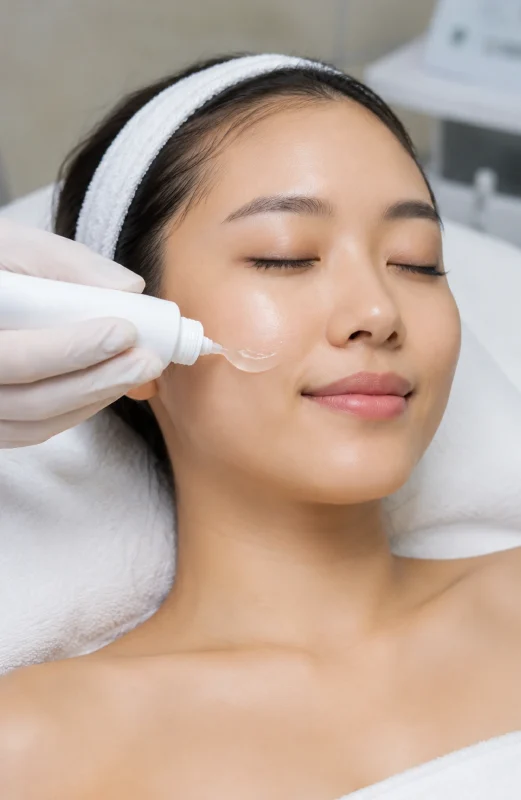
The treatment area is cleansed thoroughly. An ultrasound gel is applied to help transmit the ultrasound energy into the target tissue. A topical numbing cream may be applied and left on for approximately 20–30 minutes, depending on the treatment area and individual patient preference.
3. Treatment
The doctor positions the ultrasound handpiece against the skin and delivers focused ultrasound energy in systematic passes across the mapped treatment areas, selecting the appropriate depth for each zone. Patients may feel mild tingling, warmth, or a brief prickling sensation as each pulse is delivered. A typical facial session takes approximately 20–40 minutes.
4. Post-treatment
After the procedure, the ultrasound gel is removed. A soothing product and sunscreen are applied before the patient leaves. Mild redness or temporary swelling in the treated area is common and typically subsides within a few hours.
What Can HIFU Address?
BROW AND PERIORBITAL AREA
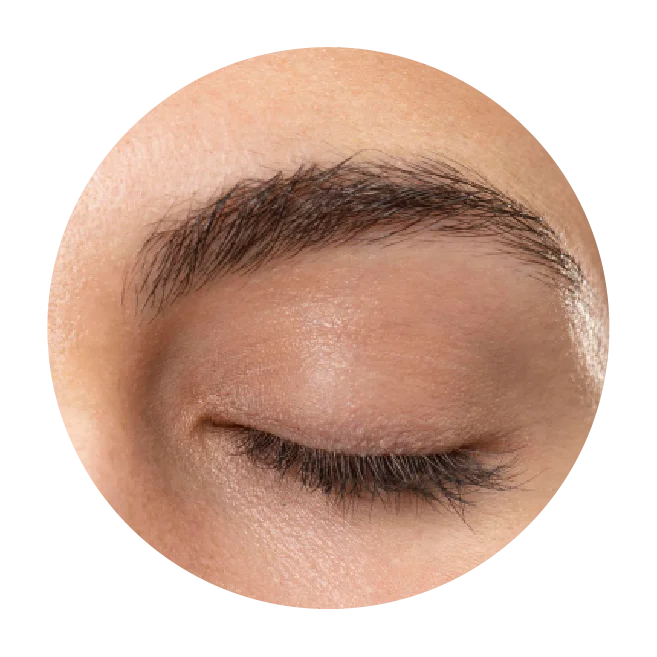
Superficial and structural-depth treatment of the forehead and periorbital region can provide support for brow position and improve the appearance of the upper face.

CHEEKS AND MIDFACE
Mid-dermis and structural-depth treatment in the midface area can improve cheek firmness and support overall midface structure.
JAWLINE AND LOWER FACE
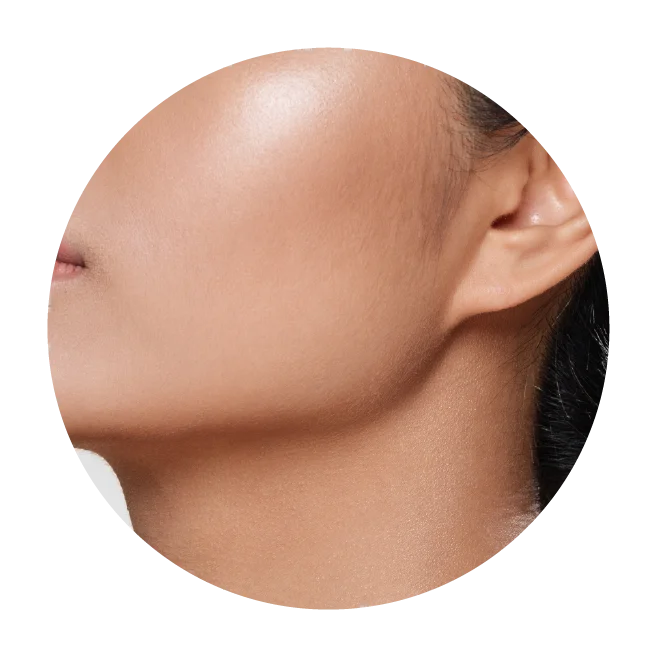
Structural-depth (SMAS-level) treatment is the primary approach for jawline lifting and jowl reduction, often combined with deep dermis treatment to address both structural support and skin quality in the lower face.
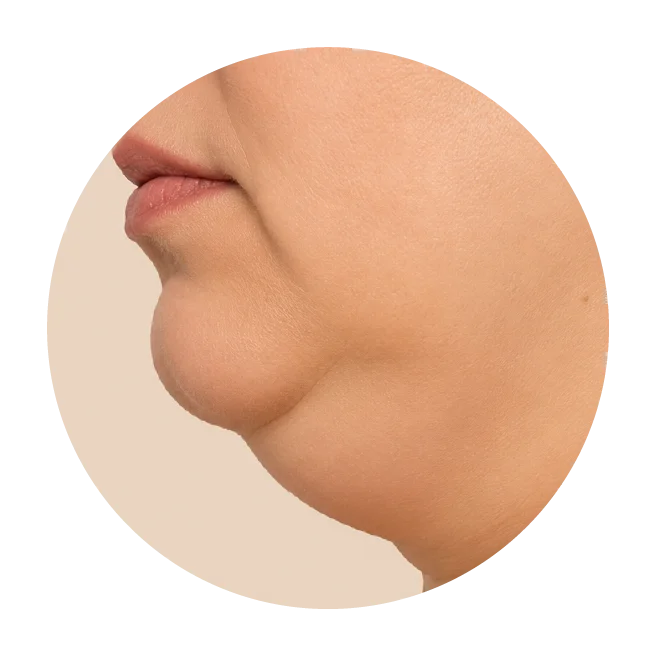
DOUBLE CHIN AND SUBMENTAL AREA
Structural and superficial subcutaneous-depth treatment addresses platysma laxity and early submental fullness.
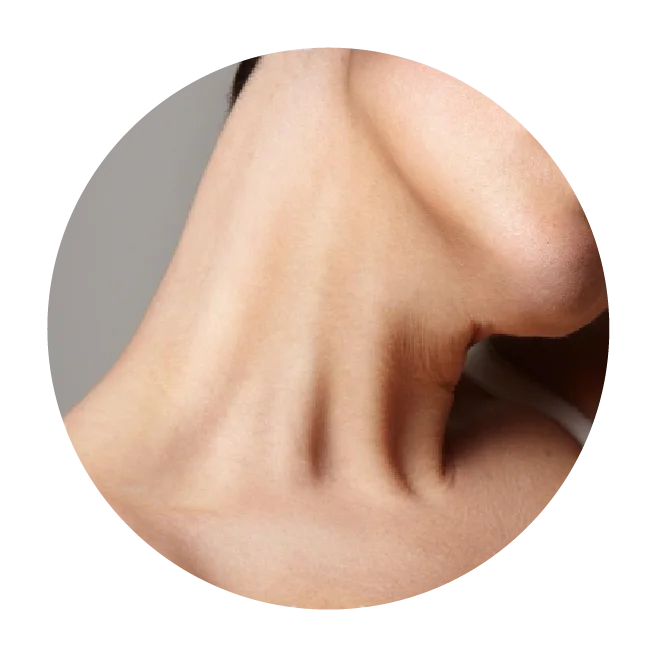
NECK
The neck is treated at deep dermis and structural depths to address skin laxity and neck firmness.
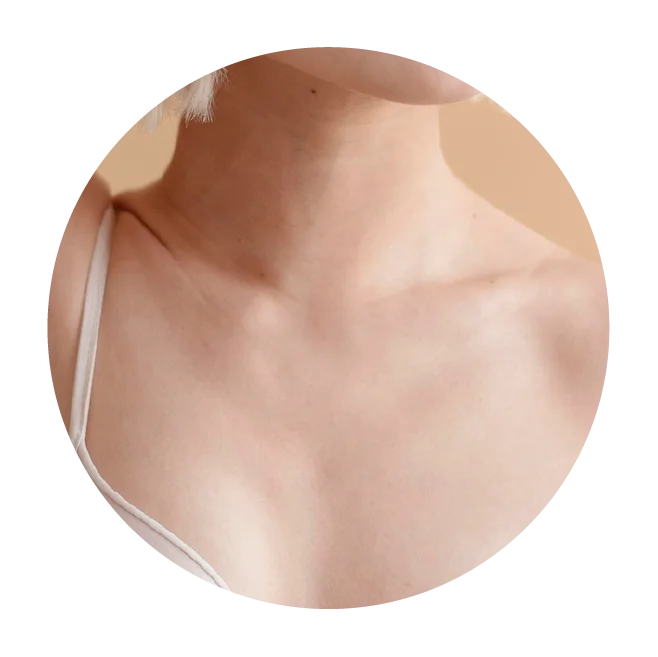
DÉCOLLETAGE
The décolletage may be treated at deep dermis depth for skin quality and texture improvement in the upper chest area.
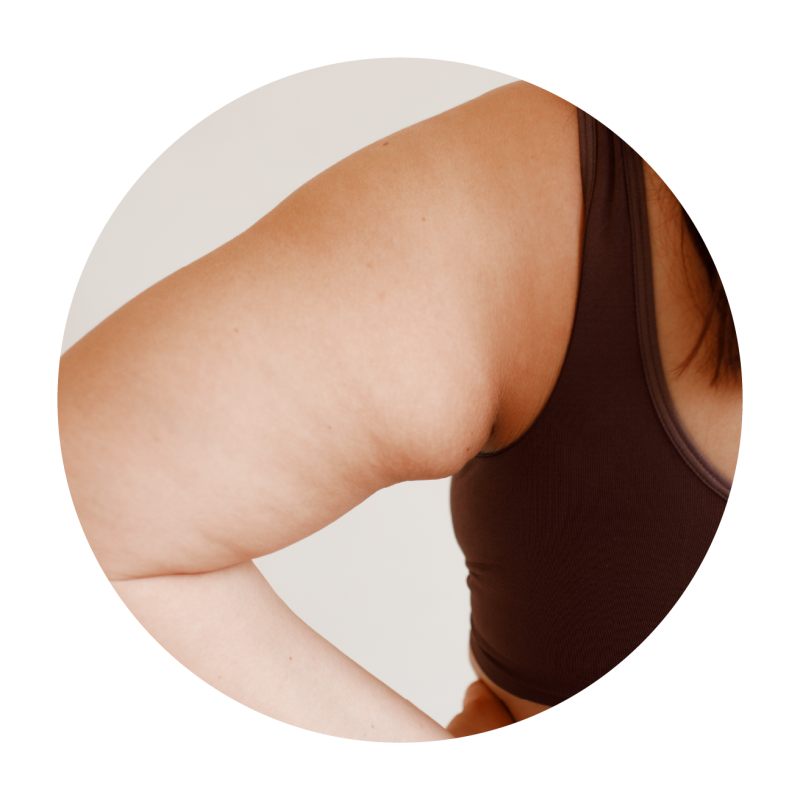
BODY CONTOURING (ABDOMEN, ARMS, THIGHS)
Deep subcutaneous-depth treatment targets fat tissue in body areas, supporting gradual improvement in body contour over the weeks following treatment.
HIFU vs. Other Non-Surgical Lifting Approaches
HIFU
Technology
Focused ultrasound energy
Invasiveness
Non-invasive
Mechanism
Collagen remodelling via controlled thermal injury at targeted depth
Downtime
Minimal (hours)
Degree of lift
Mild to moderate
Body contouring capability
Yes, at deeper settings
Best suited for
Mild to moderate skin laxity; face, neck, and body areas
Radiofrequency (RF) Skin Tightening
Technology
Invasiveness
Mechanism
Downtime
Minimal (hours)
Degree of lift
Mild to moderate
Body contouring capability
Best suited for
Thread Lift
Technology
Invasiveness
Minimally invasive
Mechanism
Immediate mechanical repositioning + collagen stimulation around threads
Downtime
3-7 days
Degree of lift
3-7 days
Body contouring capability
No
Best suited for
Moderate laxity needing immediate visible contour change
Surgical Facelift
Technology
Surgical incision and tissue repositioning
Invasiveness
Invasive (surgery)
Mechanism
Direct surgical repositioning of tissue
Downtime
1–3 weeks
Degree of lift
Most pronounced and long-lasting
Body contouring capability
No (separate procedures)
Best suited for
Significant laxity or structural change requiring surgical correction
Note: Comparisons are based on general treatment category characteristics and are for educational purposes. Suitability for any treatment is determined at consultation.
What Results Can You Expect
Immediately after treatment
Mild redness or temporary swelling in the treated areas may be present. Some patients notice an initial firmness or subtle tightening immediately after the session, though this early effect partly reflects temporary post-procedural tissue changes.
Longevity
Results from HIFU treatment are generally observed to last approximately 9–15 months, depending on the specific technology, settings used, and individual factors such as age, skin condition, and lifestyle.
2–4 weeks
Initial improvements in skin firmness and contour begin to become more noticeable as the collagen and elastin remodelling response progresses.
Number of sessions
Many patients achieve their initial improvement goal with a single comprehensive session. Some individuals, depending on their degree of laxity and goals, may be recommended a second session or staged approach. Your doctor will advise on the appropriate plan at consultation.
2–3 months (progressive improvement)
Collagen remodelling peaks at approximately 2–3 months post-treatment, when the most pronounced improvement in skin firmness, definition, and contour is typically observed.
Maintenance
Periodic maintenance sessions may be recommended to sustain improvements as the natural ageing process continues. Your doctor will advise on timing based on your individual response.
Results vary between individuals. Outcomes depend on factors including baseline skin condition, age, lifestyle, the areas treated, the treatment settings, and adherence to post-treatment care. Results cannot be guaranteed.
Side Effects and Risks
Common, expected side effects
- Mild redness at the treatment site (typically resolves within a few hours)
- Temporary swelling (typically resolves within 1–2 days)
- Mild warmth, tingling, or brief prickling sensation during treatment
- Temporary sensitivity or tenderness in treated areas
Less common side effects
- Temporary numbness or altered sensation (typically resolves within days to weeks)
- Bruising (uncommon)
- Temporary post-inflammatory changes in skin tone
Rare but reported side effects (across HIFU devices generally)
- Burns or unintended tissue injury from incorrect settings or device placement
- Prolonged numbness or nerve-related effects
- Subcutaneous fat atrophy if energy is inadvertently delivered to unintended tissue planes — a risk that increases with deeper treatment settings; requires accurate depth selection by the treating doctor
Most reported effects with HIFU are mild and transient. At EHA Clinic, HIFU treatments are performed only by trained medical doctors. Full details of potential risks and side effects are discussed at consultation, and informed consent is obtained before treatment.
Who May Be Suitable for HIFU?
Suitable candidates:
- Adults with mild to moderate skin laxity in the face, neck, or related areas
- Individuals seeking non-invasive face lifting, jawline definition, or improvement in skin firmness
- Those with concerns about double chin definition, neck laxity, or brow heaviness
- Individuals seeking body contouring in areas such as the abdomen, arms, or thighs where subcutaneous tissue is the primary concern
- Those wishing to maintain the effects of a prior surgical facelift without further surgery
- Patients of all skin types, as HIFU energy acts thermally on deep tissue and is not dependent on skin pigmentation
- Patients with realistic expectations regarding the gradual and individual nature of results
HIFU may NOT be suitable for individuals with:
- Active skin infections, open wounds, or severe acne breakouts in the treatment area
- Implanted electronic devices (e.g. pacemakers or defibrillators) in or near the treatment area
- Implanted metallic hardware near the treatment zones
- Pregnancy or breastfeeding
- Severe or advanced skin laxity where surgical lifting may be more clinically appropriate
- Active or undiagnosed skin lesions, or suspected skin malignancy in the treatment area
- Blood-clotting disorders or current anticoagulant use (assessed individually)
Suitability is assessed at consultation. The doctor will review the patient’s full medical history, current medications, skin condition, and treatment goals before recommending a treatment plan.

Frequently Asked Questions (FAQs)
What is HIFU?
High-Intensity Focused Ultrasound (HIFU) is a non-invasive treatment that uses focused ultrasound energy to generate controlled heat at precise depths beneath the skin surface. This stimulates the body’s natural collagen and elastin production, leading to gradual improvement in skin firmness and contour over the following months.
How is HIFU different from other skin tightening treatments?
HIFU differs from radiofrequency (RF) treatments in how energy is delivered — HIFU converges ultrasound energy at a precise focal depth, while RF generally heats tissue more broadly through electrical current. Both stimulate collagen remodelling but through different physical mechanisms and depth-targeting precision. The most appropriate treatment depends on the individual’s concerns and is discussed at consultation.
Are all HIFU treatments the same?
No. Several HIFU platforms exist, each with differences in energy delivery pattern, treatment depth range, and additional features such as real-time tissue visualisation. However, all HIFU technologies share the same fundamental mechanism — focused ultrasound creating controlled thermal injury to stimulate collagen remodelling. Your doctor will select the appropriate technology and settings for your treatment plan based on your specific needs.
Can HIFU treat the body as well as the face?
Yes. At deeper treatment settings, HIFU can target subcutaneous fat tissue in body areas such as the abdomen, arms, and thighs, supporting gradual improvement in body contour over time.
When will I see results?
Collagen and elastin remodelling progresses gradually over the weeks following treatment, with results typically peaking at approximately 2–3 months. Some patients notice early firmness changes within the first few weeks. Individual results vary.
How long do the results last?
Results from HIFU treatment are generally observed to last approximately 9–15 months. Individual longevity varies based on age, lifestyle, skin condition, and treatment areas. Maintenance sessions may be recommended to sustain results over time.
How many sessions do I need?
Many patients achieve their goal with a single comprehensive session. Some individuals, depending on their degree of laxity and goals, may benefit from a staged approach or a second session. Your doctor will advise on the appropriate plan based on your assessment at consultation.
Is HIFU painful?
Patients typically describe the sensation as mild tingling, warmth, or brief prickling. Topical numbing cream may be applied before treatment to improve comfort. Comfort varies between individuals and treatment areas.
Is there downtime?
Downtime is minimal. Mild redness and temporary swelling are common immediately after treatment and typically settle within hours to a few days. Most patients resume daily activities on the same day.
Can HIFU replace a surgical facelift?
HIFU is a non-invasive treatment for mild to moderate skin laxity — it works through collagen remodelling and produces gradual, natural-looking improvement. A surgical facelift involves direct repositioning of facial tissues and skin and generally produces more pronounced structural changes with longer-lasting results, but carries greater invasiveness and recovery requirements. HIFU is not a substitute for surgery when significant laxity or structural change is required. Your doctor will discuss which approach is most suitable for your degree of concern at consultation.
Is HIFU suitable for all skin types?
HIFU energy acts thermally on deep tissue and does not depend on skin pigmentation for its effect, making it suitable for all Fitzpatrick skin types. Suitability is assessed individually at consultation based on the patient’s skin condition, anatomy, and goals.
Can HIFU be combined with other treatments?
HIFU may be used as part of a combination treatment programme alongside injectable treatments (fillers, Botulinum Toxin), skin quality treatments (Gold RF Microneedling, Digital Peel Laser), or Ligament Lifting, depending on the individual’s concerns. The combination approach, sequencing, and timing will be discussed with your doctor at consultation.
Who performs HIFU treatments at EHA Clinic?
All HIFU treatments are performed only by registered medical doctors at EHA Clinic, in accordance with the SMC Guidelines on Aesthetic Practices for Doctors and Singapore’s Healthcare Services Act (HCSA) regulatory framework.
Can you show before-and-after photos or guarantee results?
In accordance with Singapore’s MOH/HCSA advertising regulations, before-and-after photos are not displayed in public advertising materials. Example images may be viewed in-clinic during consultation for educational purposes only, with appropriate clinical context. Results cannot be guaranteed; individual outcomes vary.
How is cost determined?
Cost is based on the treatment areas, treatment depths used, total energy delivered, and whether body areas are included in the session. A personalised estimate will be provided at consultation after the doctor has assessed your anatomy and treatment goals.
Post-treatment care
- Apply broad-spectrum sunscreen (SPF 30 or higher) daily from the day of treatment onwards
- Avoid direct sun exposure for at least 2 weeks following treatment
- Avoid strenuous physical activity, saunas, steam rooms, and prolonged heat exposure for 24–48 hours
- Use gentle, fragrance-free cleansers and moisturisers; avoid active topical ingredients (retinoids, AHAs/BHAs) for 3–5 days or as directed by the doctor
- Do not massage or apply firm pressure to treated facial areas for 24 hours
- Stay well hydrated; gentle hydrating skincare supports the skin’s recovery
- For body areas: compression garments are not typically required, but the doctor will advise on any area-specific post-care instructions
- Contact the clinic if you experience prolonged redness, unexpected swelling, or any symptoms that concern you
Consultation
HIFU is suitable for a range of age groups, all genders, and all skin types. The treatment is customised based on the individual’s concerns, anatomy, and goals — with treatment depth, settings, and technology selected for each zone. A consultation with our medical doctors is required to determine if HIFU is suitable for you and to develop a personalised treatment plan.
Alternatively, reach out to us for a non-obligatory consultation
Meet your EHA Clinic Doctor

Dr. Elias Tam, the Doctor Trainer
Dr. Elias Tam, with over 30 years in medicine, leads EHA Clinic, focusing on advancing technical standards in aesthetic medicine. He holds the position of Clinical Lecturer at University College London. Throughout his many years as an aesthetic doctor, Dr. Tam has held multiple hands-on training sessions and seminars, sharing his vast knowledge and expertise with aspiring doctors in the field.
Under his guidance, EHA Clinic offers a safe and comprehensive range of aesthetic treatments for the face, body, and hair; including clinically established treatments such as hair transplants, non-surgical face-lifting, body sculpting, fillers and other injectable treatments.